Duo Valentianos
1987
No user ratings available yet
Diversity score: 4.3 out of 10
1952
Director
Georges Franju
Runtime
31 minutes
Average Rating
No ratings yetSynopsis
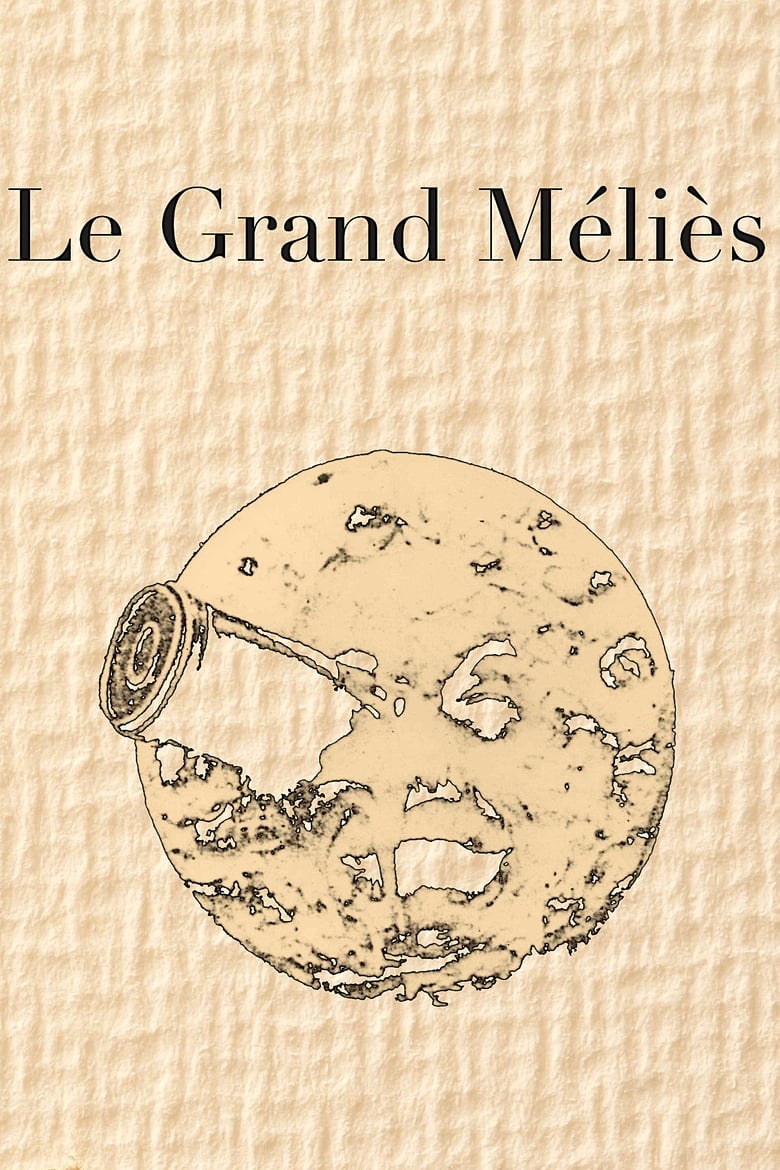
This 1952 film by Georges Franju is a biographical film about cinematic illusionist Georges Méliès. It features Méliès’s widow, Jeanne d’Alcy, as herself, and their son, André, as his own father. LE GRAND MÉLIÈS, like Franju’s Louis Feuillade tribute, JUDEX, is a revealing homage to one of the director’s idols.
Overall Score
Limited
Category Breakdown
LGBTQ+ Representation
The documentary focuses strictly on the historical life and professional legacy of Georges Méliès. It contains no documented LGBTQ+ character arcs or non-cisnormative depictions.
Gender Representation
Jeanne d’Alcy provides a vital female perspective on the early film industry. However, the narrative remains centered on the patriarchal figure of Méliès.
Racial & Ethnic Diversity
The film reflects the demographic homogeneity of early 20th-century European cinema. It lacks diverse casting or non-white protagonists to challenge the era's cinematic canon.
Religious & Cultural Diversity
This work serves as a traditionalist archival record of a foundational cultural figure. It prioritizes the preservation of film history over social or secular critique.
Disability Representation
There is no evidence regarding the portrayal of physical or neurodivergent disabilities within the film's biographical framework.
Strengths
Areas for Improvement
AI Analysis
Le Grand Méliès functions primarily as a historical tribute to a cinematic pioneer. Its structure is dictated by archival preservation and personal family testimonies rather than intentional social commentary. The film's lack of diversity is a reflection of its era and subject matter. As a biographical study of a French filmmaker, it maintains the demographic homogeneity typical of early 20th-century European cinema. Ultimately, the documentary prioritizes historical fidelity. It does not engage with intersectional frameworks or attempt to disrupt traditional social hierarchies, remaining a traditionalist biographical document.
No reviews yet. Be the first to share your thoughts on this movie!
Use the rating form above to leave a star rating and optional review.