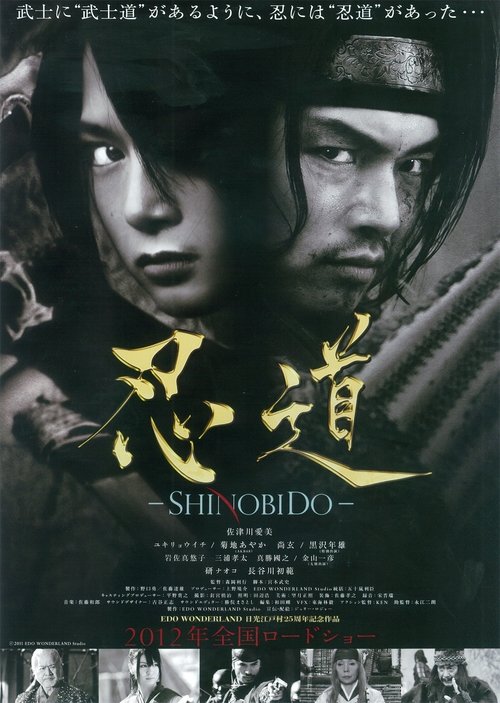
Shinobido
2012
No user ratings available yet
Representation score: 2.4 out of 10

Representation Score
Good
2005
RDirector
Ten Shimoyama
Runtime
107 minutes
Average Rating
No ratings yetNew Showbiz Analysis
Shinobi: Heart Under Blade is a stylized jidaigeki that finds its strength in subverting gendered power dynamics. While the romantic core remains strictly oriented toward straight relationships, the film elevates its female lead to a position of command, challenging the era's typical patriarchal structures. The film's cultural depth comes from its critique of institutional loyalty. By framing the protagonists' defiance of clan rules as a quest for personal truth, it moves beyond simple action into a study of individual ability to act against systemic oppression. However, the film remains limited by its historical setting and traditional character archetypes. The lack of racial diversity and the absence of disability representation reflect a narrow focus on the idealized physicality of the shinobi warrior.
Category Breakdown
The film follows a traditional structure centered around straight relationships. There is no queer subtext in the central romance between Gennosuke and Oboro.
Oboro serves as a high-level leader, disrupting the typical patriarchal hierarchy. Her combat prowess and intellect rival Gennosuke's, making them narrative equals.
Set in feudal Japan, the cast is ethnically homogeneous. The film maintains historical authenticity without including diverse ethnicities.
The story critiques rigid clan authority through a lens of moral relativism. It frames the struggle against tradition as a pursuit of personal freedom.
The narrative focuses on peak athletic performance for shinobi combat. There are no prominent characters featuring visible or invisible disabilities.
Present on Screen
Limited or Absent
Official Synopsis
Even though Gennosuke and Oboro are from rival ninja villages, they are secretly in love. At an annual conference with the Lord, it is dictated that a competition--a fight to the death--will take place between the five best shinobi from each village. Gennosuke and Oboro's love is made even more impossible when they each got picked as the leader of the five to represent their respective villages.
2012
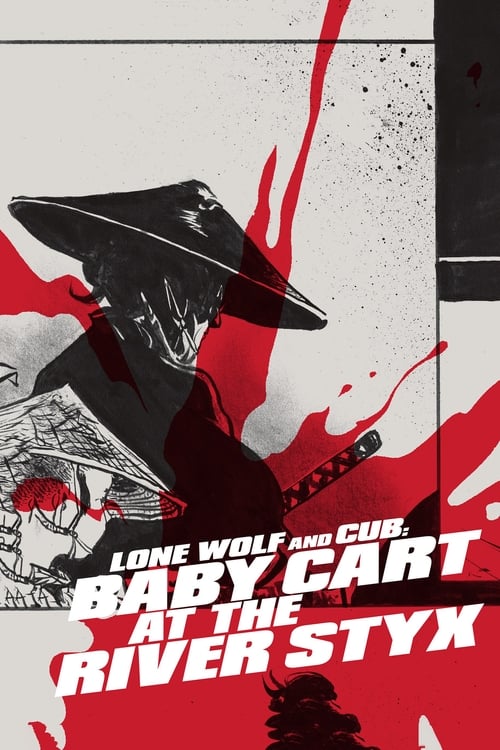
1972
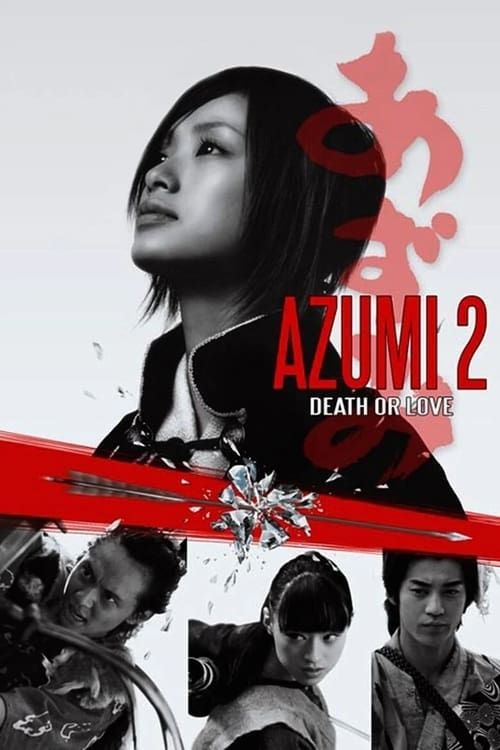
2005
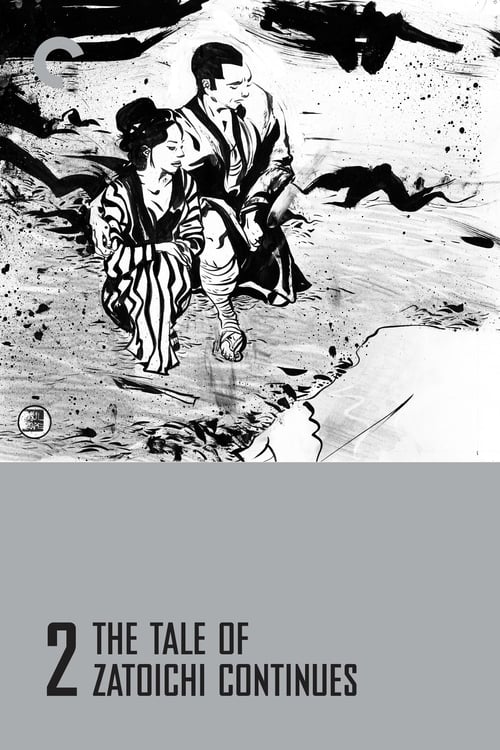
1962

2008

1995
2004
2017
No reviews yet. Be the first to share your thoughts on this movie!
Use the rating form above to leave a star rating and optional review.