Carry On Cabby
1963
No user ratings available yet
Representation score: 3.6 out of 10
Representation Score
Limited
1939
Director
Václav Kubásek
Average Rating
No ratings yetNew Showbiz Analysis
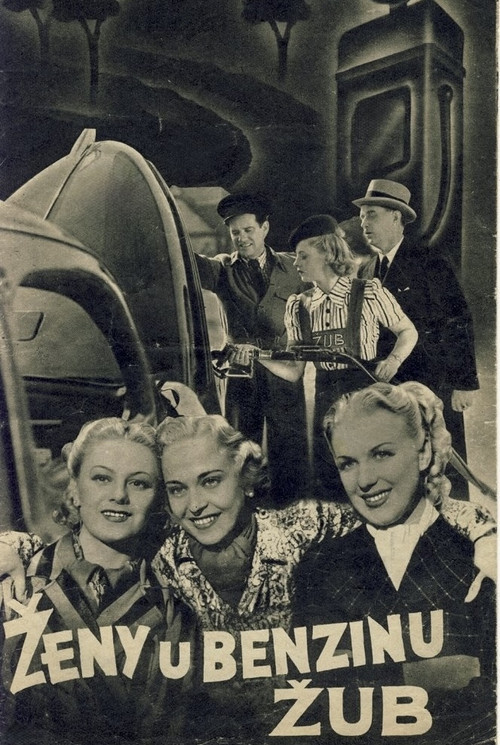
Ženy u benzinu stands out for its progressive portrayal of gendered power dynamics within a 1930s comedic framework. By focusing on a woman who builds a business empire to compete with her former partner, the film emphasizes female economic ability to act over traditional domestic roles. However, the film is limited in other areas, reflecting the era's narrow social scope. It lacks racial, ethnic, or LGBTQ+ diversity, which is consistent with the period's cinematic standards. Overall, the film is a study in gendered subversion, despite its culturally and demographically homogeneous nature.
Category Breakdown
The film does not include any representations of LGBTQ+ identities or same-sex relationships. The plot focuses on traditional romantic conflicts and the end of a heterosexual relationship.
Milada shows a significant role in driving the story by starting a competing company after a romantic betrayal. This challenges the norms of the 1930s by positioning women as capable business leaders in a traditionally male-dominated industry.
The film reflects the demographic homogeneity typical of 1939 European cinema. There is no indication of a diverse cast or non-majority ensembles.
The narrative critiques traditional family stability through professional competition. It highlights female-led collectives instead of conventional marriage models.
There are no characters with visible or invisible disabilities mentioned in the film.
Present on Screen
Limited or Absent
Official Synopsis
Milada Dvořáková is about to get married to her business partner Dub, a gas station owner. When she catches him hugging his secretary, she breaks up with him. She sets up a rival company, ŽUB (Women at Gas Stations), and employs only single women. Dub also gets into the competitive fight...
1963

1938
1946

2010
1963
1939
1935
1979
No reviews yet. Be the first to share your thoughts on this movie!
Use the rating form above to leave a star rating and optional review.