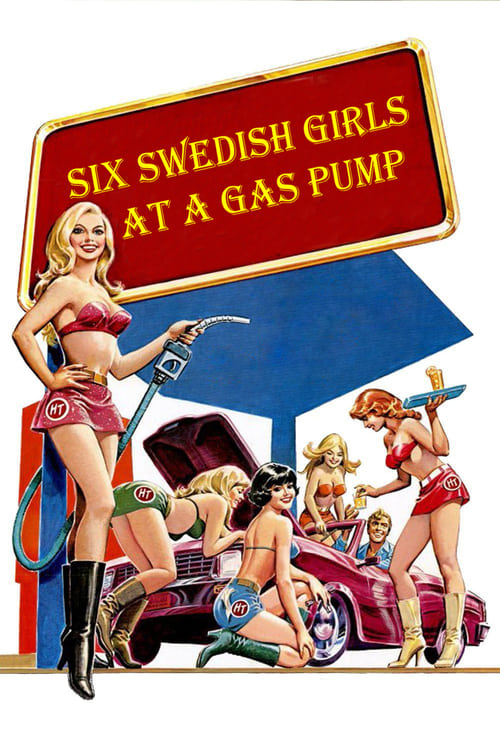
Six Swedish Girls at a Pump
1980
No user ratings available yet
Representation score: 1.4 out of 10
Representation Score
Limited
1979
RDirector
Joel Bender
Runtime
86 minutes
Average Rating
No ratings yetNew Showbiz Analysis
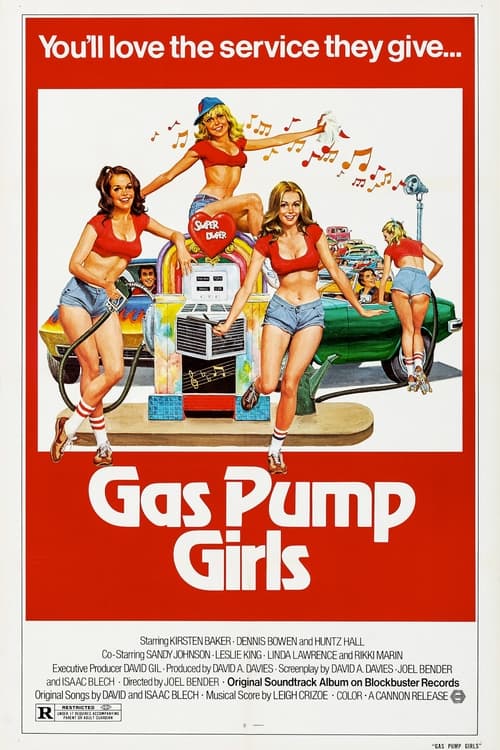
Gas Pump Girls disrupts traditional gender roles by placing women in charge of an industrial service station. However, the use of feminine stereotypes to attract customers suggests adherence to conventional norms rather than genuine subversion. The film lacks depth in representing diverse identities, particularly in terms of LGBTQ+ and racial diversity. It seems to follow the social norms of its time without challenging broader systemic issues.
Category Breakdown
The film does not include any explicit LGBTQ+ characters or non-cisgender identities.
June and her friends take control of a traditionally male-dominated service station, but their methods to attract customers might rely on traditional feminine stereotypes.
The film features a predominantly white cast and follows the demographic norms of mainstream 1970s comedies.
The story focuses on a typical character-driven comedy without critiquing Western institutions, capitalism, or religious structures.
The film does not feature any characters with visible or invisible disabilities.
Present on Screen
Limited or Absent
Official Synopsis
June and her friends take over a service station formerly run by her uncle. They perform every trick in the book to attract the customers.
1980

1999

1992

1978
1936

1992

1987
1939
No reviews yet. Be the first to share your thoughts on this movie!
Use the rating form above to leave a star rating and optional review.