Potiche
1983
No user ratings available yet
Representation score: 4.1 out of 10
Representation Score
Good
2010
RDirector
François Ozon
Runtime
103 minutes
Average Rating
No ratings yetNew Showbiz Analysis
François Ozon’s film is a sophisticated deconstruction of the bourgeois nuclear family. It uses a postmodern lens to explore fluid identity and the breakdown of established social hierarchies. The narrative avoids moralistic frameworks, opting for psychological complexity. However, the film’s demographic breadth is limited. Its setting is rooted in a specific Eurocentric, upper-class French context, resulting in a lack of racial and ethnic diversity. This narrow socioeconomic focus prevents a more inclusive perspective. Ultimately, the film’s value lies in its intentionality. While it lacks physical or neurodivergent representation, its commitment to subverting cultural norms and traditional gendered leadership provides a progressive narrative experience.
Category Breakdown
The film explores non-traditional relationships and desires, challenging conventional structures without relying on typical clichés. Sexual ambiguity and fluidity are used to question traditional norms.
The film overturns traditional gender roles by shifting power from men to women. It portrays masculinity and femininity as dynamic forces that complicate traditional domestic roles.
The cast is primarily composed of Eurocentric actors representing the French upper class of the late 1970s. This specific socioeconomic context limits the diversity of backgrounds and experiences.
The story effectively critiques Western institutions and the sanctity of the bourgeois family. It delves into the transgression of social norms with psychological depth and moral relativism.
The film does not include any significant representation of physical or neurodivergent disabilities. The narrative focuses solely on the psychological dynamics of the main characters.
Present on Screen
Limited or Absent
Official Synopsis
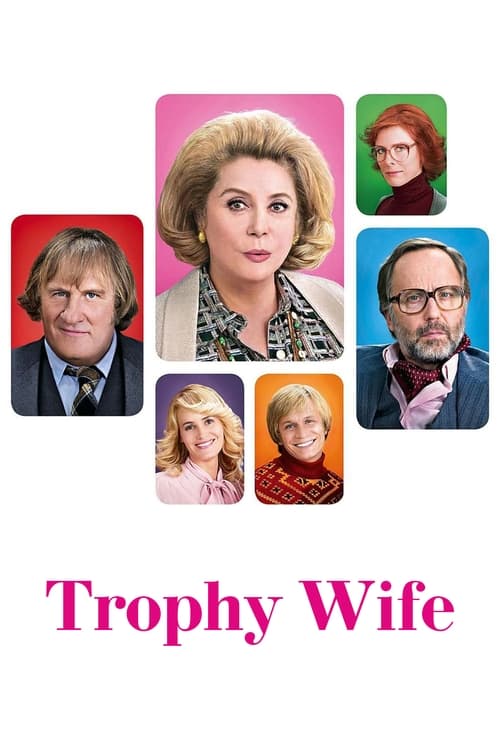
In 1977 France, tightfisted factory owner Robert Pujol is so shocked when his workers strike for higher wages that he suffers a heart attack. His acquiescent wife, Suzanne, whose father had founded the factory, takes over management duties during Robert's convalescence.
1983

1995
2003

1978
2007
1943
1992
2008
No reviews yet. Be the first to share your thoughts on this movie!
Use the rating form above to leave a star rating and optional review.