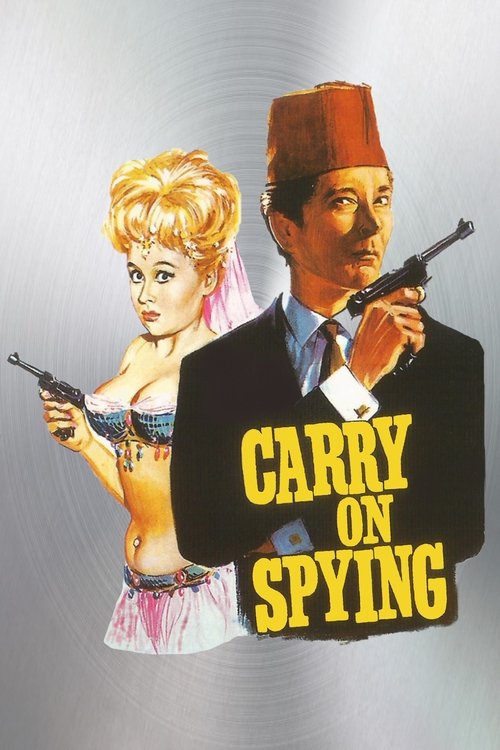
Carry On Spying
1964
No user ratings available yet
Diversity score: 2.6 out of 10
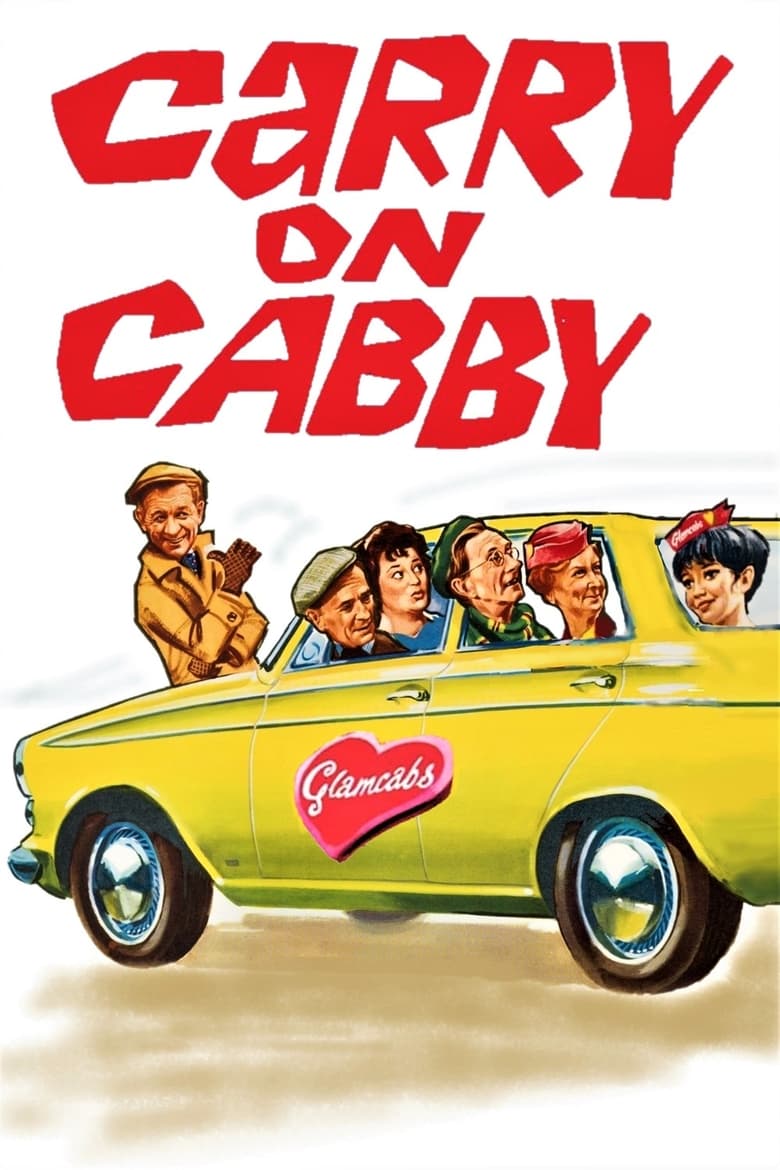
1963
Director
Gerald Thomas
Runtime
91 minutes
Average Rating
No ratings yetSynopsis
Speedee Taxis is a great success, which means its workaholic owner Charlie starts neglecting Peggy, his wife. Suddenly a fleet of rival taxis appears from nowhere and start pinching all the fares. The rivals are Glamcabs, and they have a secret weapon. All their drivers are very attractive women! Who's behind Glamcabs? It's open warfare and only one fleet can survive!
Overall Score
Limited
Category Breakdown
LGBTQ+ Representation
The film maintains a strictly heteronormative structure with no explicit same-sex identities. However, the camp aesthetic and Kenneth Williams' exaggerated mannerisms invite queer readings through heavy double entendre.
Gender Representation
Female characters primarily serve as comedic foils or objects of pursuit. The 'Glamcabs' plot uses attractive women as a disruptive force, yet lacks significant female agency or intellectual depth.
Racial & Ethnic Diversity
The cast and setting are almost exclusively white, reflecting the demographic homogeneity of 1960s British cinema. There is no significant representation of racial or ethnic minorities.
Religious & Cultural Diversity
The narrative prioritizes situational farce and the subversion of social decorum. It depicts a chaotic, working-class reality where traditional institutional respect is secondary to individual hijinks.
Disability Representation
There is no meaningful or intentional representation of physical or neurodivergent disabilities. The film lacks any narrative focus on sensory or mental health conditions.
Strengths
Areas for Improvement
AI Analysis
Carry On Cabby is a period-specific artifact of British farce that prioritizes low-brow comedy over progressive storytelling. While the film's camp aesthetic and stylized performances offer a layer of subtextual complexity, these elements function more as comedic devices than intentional character arcs. The film's primary failings lie in its lack of intersectional depth. It relies heavily on traditional gender tropes and presents a culturally insulated, homogeneous racial landscape that lacks any effort toward integration. Ultimately, the work reflects the conventional, traditionalist approach of mid-century commercial comedy, focusing on slapstick and social disruption rather than diverse representation.
1964

1976
1969
1972
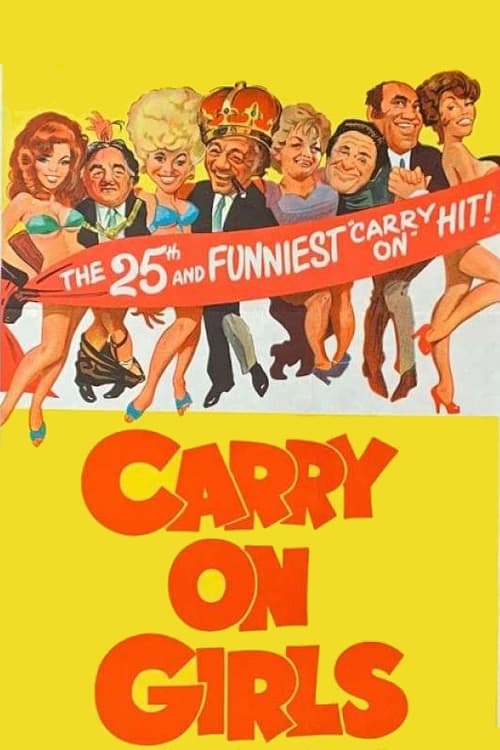
1973
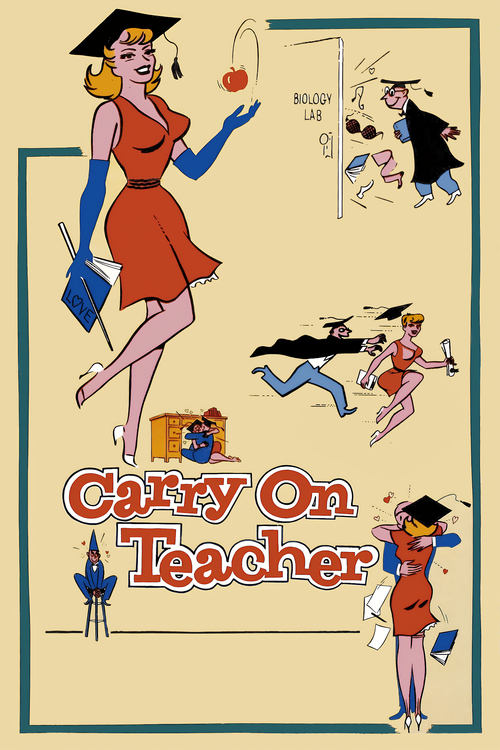
1959
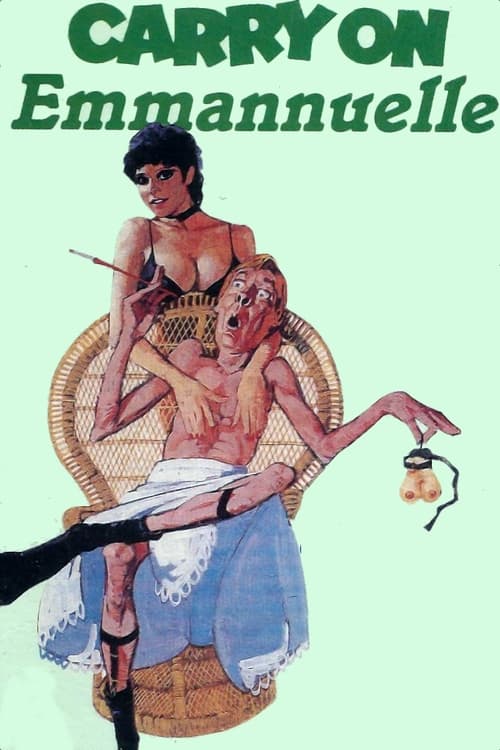
1978
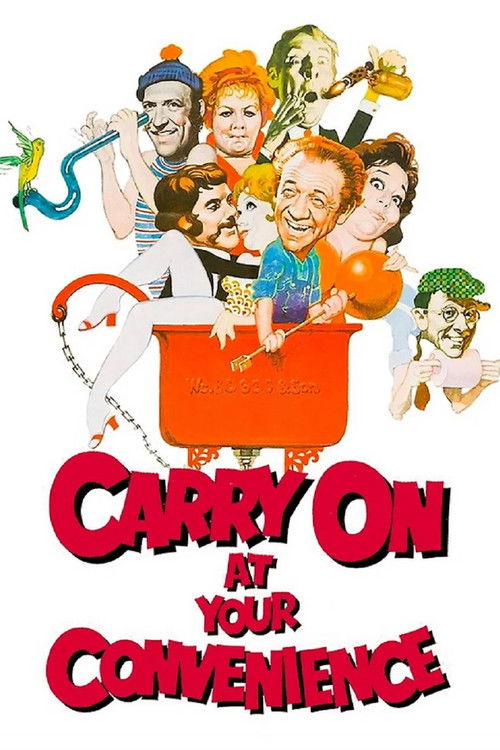
1971
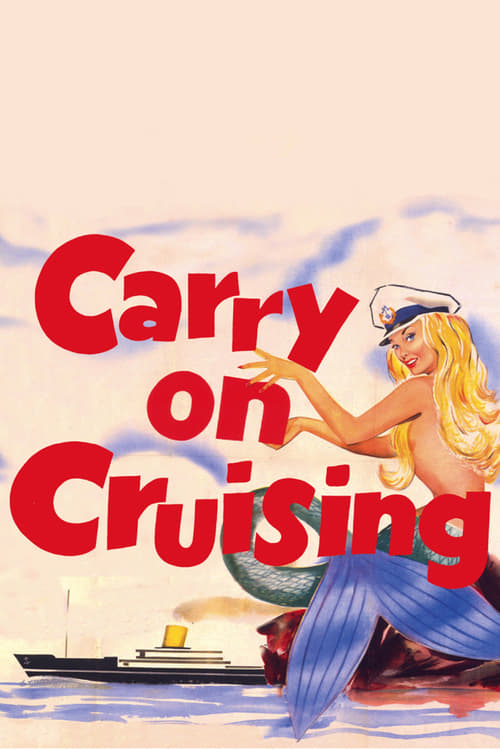
1962
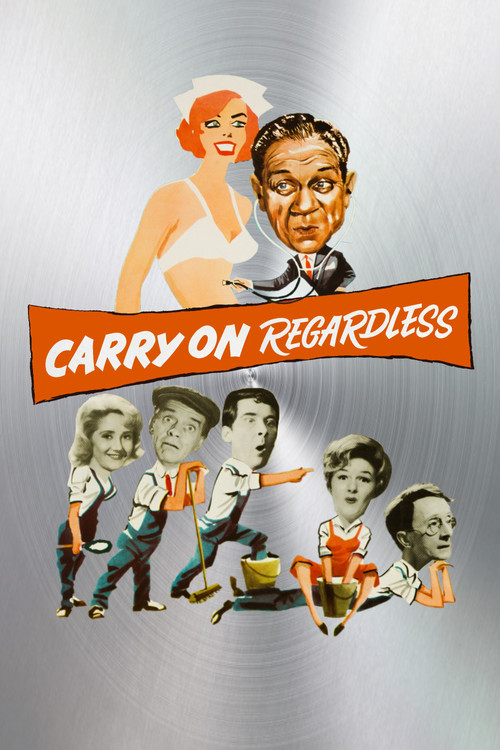
1961
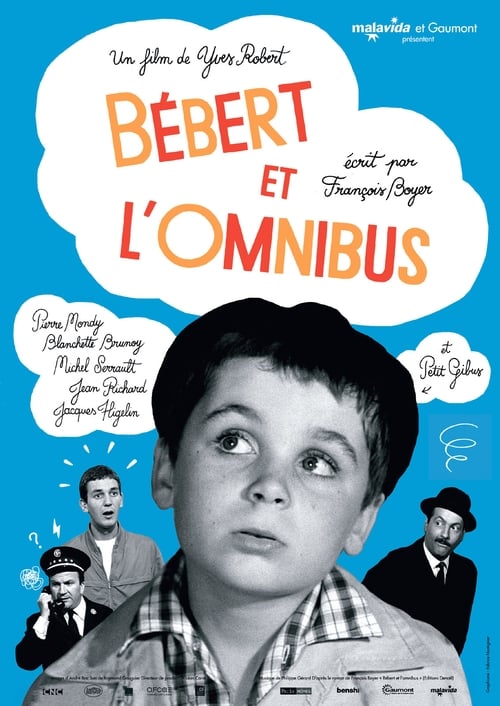
1963
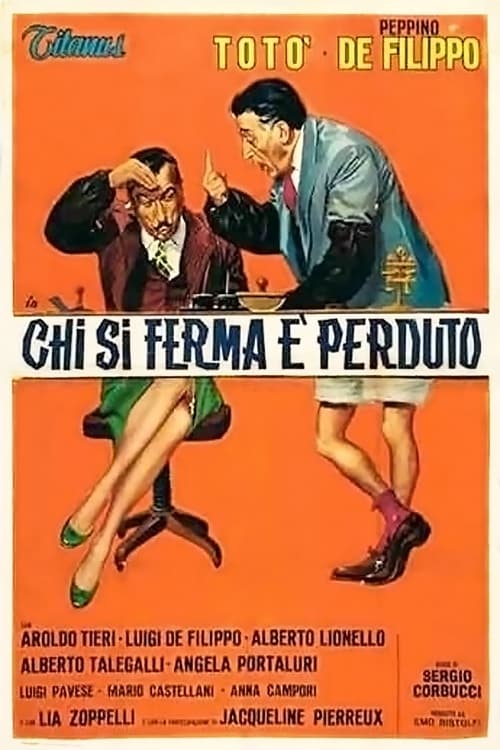
1960
No reviews yet. Be the first to share your thoughts on this movie!
Use the rating form above to leave a star rating and optional review.