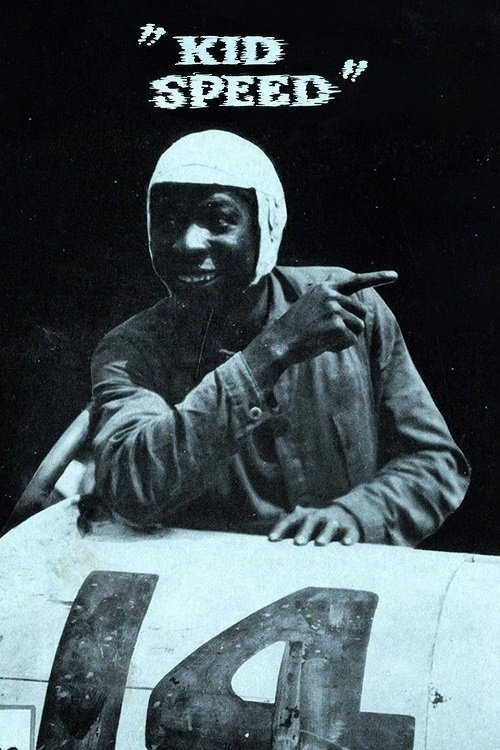
Kid Speed
1924
No user ratings available yet
Diversity score: 2.4 out of 10

1935
Director
Charles Lamont
Runtime
19 minutes
Average Rating
No ratings yetSynopsis
Elmer owns a gas station out in the California desert. Soon he has a business rival in Jim, who opens up another station, and is also trying to steal Elmer's girlfriend. She plays both rivals against the other and, because she is a baseball fan, both Elmer and Jim try to show each other up in the big local baseball game.
Overall Score
Limited
Category Breakdown
LGBTQ+ Representation
The plot centers on a traditional romantic rivalry between two men. It reinforces standard heteronormative tropes without any evidence of non-cisnormative identities.
Gender Representation
The female lead acts as a catalyst for male competition. While she shows agency by playing rivals against each other, she remains framed as a romantic prize.
Racial & Ethnic Diversity
The film appears to reflect the demographic homogeneity typical of 1935. There is no evidence of diverse casting or non-Anglo-Saxon characters in the desert setting.
Religious & Cultural Diversity
Themes focus on small-town commerce and baseball. The narrative aligns with mid-century Western values of entrepreneurship and local community competition.
Disability Representation
The narrative contains no mention of characters with visible or invisible disabilities.
Strengths
Areas for Improvement
AI Analysis
One Run Elmer is a conventional 1930s comedy that adheres strictly to the social hierarchies of its era. The story relies on a predictable rivalry between two men competing for the same woman, using a baseball game as the primary vehicle for conflict. The film lacks intersectional complexity, focusing instead on traditional romantic and competitive tropes. It functions as a product of its time, reinforcing established gender dynamics and demographic homogeneity rather than challenging them. Ultimately, the film serves as a standard example of mid-century studio era storytelling, prioritizing simple comedic conflict over diverse or subversive representation.
1924
1915
1913

1936
1931
1933
1932
1937

1937
No reviews yet. Be the first to share your thoughts on this movie!
Use the rating form above to leave a star rating and optional review.