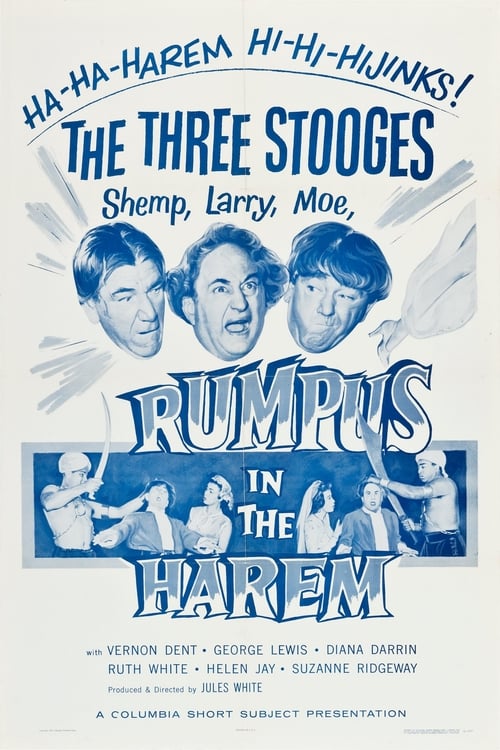
Rumpus in the Harem
1956
No user ratings available yet
Representation score: 0.3 out of 10

Representation Score
Minimal
1944
ApprovedDirector
Charles Reisner
Runtime
89 minutes
Average Rating
No ratings yetNew Showbiz Analysis
Lost in a Harem is a product of 1940s Hollywood escapism that relies heavily on exoticized clichés. The film uses a stylized Middle Eastern setting to facilitate a musical farce, but it views this world almost exclusively through a Western lens. The narrative structure reinforces traditional hierarchies. By using cultural caricatures to drive the comedy, the film fails to provide real ability to act to underrepresented groups or offer any nuanced exploration of the setting's actual culture. Ultimately, the work functions as a lighthearted comedy that leans into the constraints of its era. It prioritizes comedic engine over social critique or authentic representation.
Category Breakdown
The film does not include any LGBTQ+ characters or non-cisgender identities. Romantic relationships are limited to traditional heterosexual misunderstandings.
Women are primarily used as a backdrop within a harem setting. They act as objects of comedic circumstances rather than active agents in the plot.
The film relies on Orientalist clichés and a Westernized fantasy of the Middle East. It features a predominantly white cast performing within a reductive, stereotypical framework.
The narrative prioritizes escapist comedy over cultural nuance. It reinforces a Western-centric view of foreign cultures as fantastical, comedic spaces without any deeper exploration.
There are no prominent depictions of visible or invisible disabilities. No characters with disabilities serve as central narrative drivers or plot devices.
Present on Screen
Limited or Absent
Official Synopsis
Two bumbling magicians help a Middle Eastern prince regain his rightful throne from his despotic uncle.
1956

1964

1958

1976
1951

1940

2005

1955
No reviews yet. Be the first to share your thoughts on this movie!
Use the rating form above to leave a star rating and optional review.