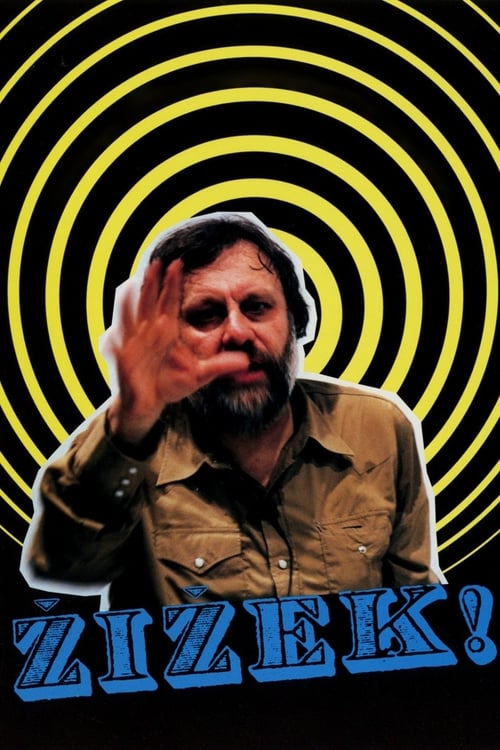
Žižek!
2005
No user ratings available yet
Representation score: 6.5 out of 10
Representation Score
Excellent
2006
Director
Sophie Fiennes
Runtime
151 minutes
Average Rating
No ratings yetNew Showbiz Analysis
Sophie Fiennes presents a sophisticated essay film that uses Slavoj Žižek’s psychoanalytic theories to challenge traditional cinematic and social narratives. Instead of simple representation, the film offers a deep theoretical analysis. The film excels in critiquing Western ideological norms, especially those related to gendered power dynamics and sexual identity. By examining the 'gaze' and the mechanics of desire, it goes beyond surface-level inclusion to provide a thorough theoretical investigation. While the documentary lacks character-driven depictions of disability, it avoids clichés like 'inspiration porn' by treating the body as a site of intellectual inquiry. Its global cinematic scope ensures a broad, non-Anglo-centric perspective.
Category Breakdown
The film explores perspectives beyond straight relationships using psychoanalytic theory. It analyzes how cinematic language shapes and limits desire, breaking down traditional sexual identity categories.
The movie looks at how cinema creates gender hierarchies through the 'gaze.' It views masculinity and femininity as constructed roles rather than inherent traits.
By drawing on various visual languages from around the world, the film avoids a narrow Anglo-centric viewpoint. It treats cinema as a globally shared experience.
The film critiques Western institutions, capitalism, and consumerism. It questions established social norms and the role of mainstream media in shaping ideology.
The treatment of disability is theoretical, focusing on fragmented identities and the psychology of the body. It lacks specific character stories or ability to act-driven depictions of neurodivergence.
Present on Screen
Limited or Absent
Official Synopsis
A hilarious introduction, using as examples some of the best films ever made, to some of Slovenian philosopher and psychoanalyst Slavoj Žižek's most exciting ideas on personal subjectivity, fantasy and reality, desire and sexuality.
2005
2012
2004
2003
1996

1992

2015
2014
No reviews yet. Be the first to share your thoughts on this movie!
Use the rating form above to leave a star rating and optional review.