
Amazones, femmes guerrières de l'Antiquité
2024
No user ratings available yet
Representation score: 6.6 out of 10
Representation Score
Fair
2015
TV-PGDirector
John Wate
Average Rating
No ratings yetNew Showbiz Analysis
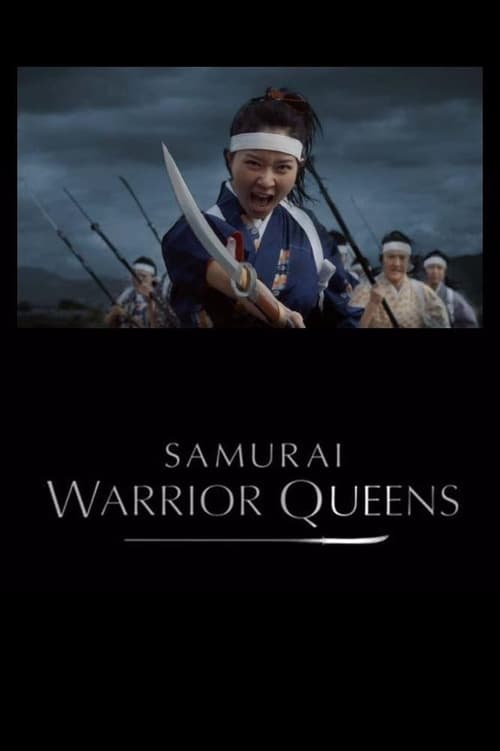
Samurai Warrior Queens presents a fresh look at history by putting a female protagonist at the center of a traditionally male-dominated era. The film successfully challenges typical gender roles, placing a woman at the forefront of a significant geopolitical change during the Boshin War. The documentary offers a meaningful non-Western perspective, focusing on the decline of the Samurai class. This focus critiques centralized, modernizing institutional power through a specific historical lens. However, the film’s diversity is limited to certain aspects. The lack of representation for LGBTQ+ identities and disabilities leads to a moderate overall assessment despite its strong gender and cultural focus.
Category Breakdown
The film does not include any characters or situations related to LGBTQ+ identities or non-traditional gender roles. It also does not address assumptions that everyone is straight or cisgender.
The documentary challenges traditional gender roles by highlighting Takeko Nakano in a position typically held by men. It questions the usual expectations of gendered leadership and martial prowess.
The narrative adds depth by focusing on Japanese historical figures, moving away from the Eurocentric viewpoint common in period dramas.
The film looks at the end of the Samurai era and the traditional social order. It highlights the tension between traditional identity and the influence of modern institutions.
There is no depiction of physical or neurodivergent disabilities in the film.
Present on Screen
Limited or Absent
Official Synopsis
The drama documentary tells the real life story of Samurai woman Takeko Nakano who in 1868 fights for her clans' independence in a final battle that marks the end of the Samurai era.
2024
2015

2019
2012

2019

2013

2020

2000
No reviews yet. Be the first to share your thoughts on this movie!
Use the rating form above to leave a star rating and optional review.