
The Tank Man
2006
No user ratings available yet
Diversity score: 6.8 out of 10
2019
Director
Miki Dezaki
Runtime
120 minutes
Average Rating
No ratings yetSynopsis
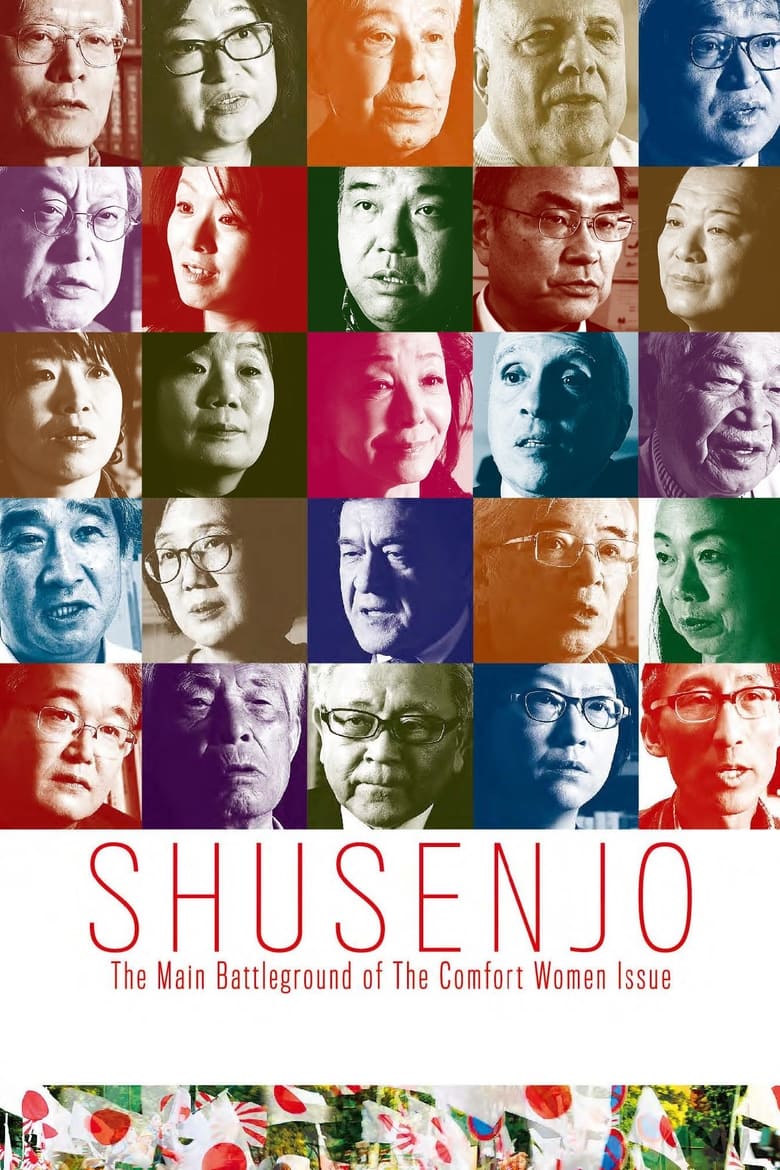
A Japanese-American director digs deep into the controversial 'comfort women' issue to settle the debate on whether the women were paid prostitutes or sex slaves, and reveals the motivations and intentions of the main actors pushing to revise history in Japan.
Overall Score
Good
Category Breakdown
LGBTQ+ Representation
The film contains no LGBTQ+ characters or narratives. Its thematic scope is strictly limited to the political discourse and gendered violence of sexual slavery.
Gender Representation
The documentary prioritizes female testimonies to highlight the systemic exploitation of women. It critiques how patriarchal structures and military authority facilitated state-level sexual violence.
Racial & Ethnic Diversity
The narrative centers on Korean women living under Japanese colonial rule. It uses a post-colonial lens to examine the intersection of race and gendered oppression.
Religious & Cultural Diversity
The film deconstructs nationalistic norms by challenging state-sponsored historical revisionism. It focuses on the struggle for historical truth and restorative justice against official narratives.
Disability Representation
While the film addresses profound psychological and physical trauma, it does not focus on disability as a primary identity or character arc.
Strengths
Areas for Improvement
AI Analysis
Shusenjo is a rigorous investigation into the historiography of the 'comfort women' system. It succeeds by centering the agency of marginalized female subjects and the lived experiences of Korean victims against a backdrop of imperialist power. The film effectively uses a post-colonial framework to dismantle state-sanctioned historical revisionism. The documentary's strength lies in its intersectional approach, weaving together race, gender, and colonial history. By focusing on the friction between established records and nationalist narratives, it provides a deep critique of how institutional power functions to obfuscate historical truth. However, the film's narrow thematic focus means it lacks representation for LGBTQ+ identities and does not treat disability as a specific categorical lens. It remains a specialized historical and political critique rather than a broad social survey.
2006

1970

2012
2008

2018
2019

2004

2017

2017

2012

2012

2017
No reviews yet. Be the first to share your thoughts on this movie!
Use the rating form above to leave a star rating and optional review.