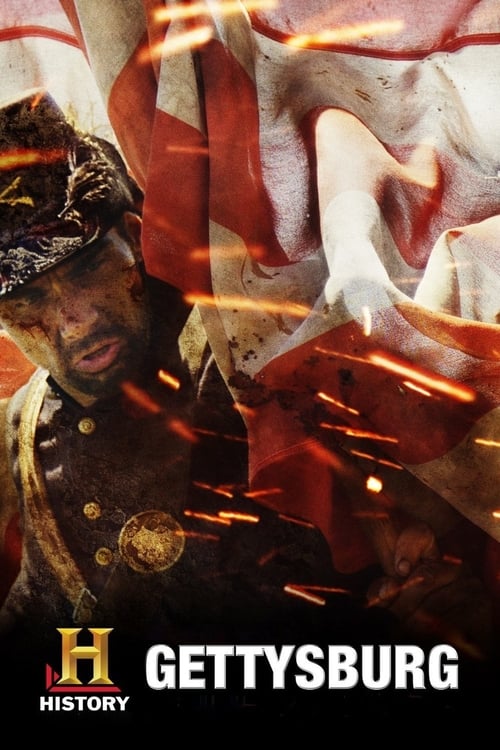
Gettysburg
2011
No user ratings available yet
Representation score: 1.3 out of 10
Representation Score
Minimal
2012
TV-PGDirector
Stephen Ives
Runtime
120 minutes
Average Rating
No ratings yetNew Showbiz Analysis
This documentary functions as a traditional historical account of 19th-century warfare. The narrative is constrained by its period-specific focus on military maneuvers and the clash between the U.S. Cavalry and Indigenous nations. The film relies on a historically male-dominated, Western-centric framework. It prioritizes the military career and eventual defeat of General George Armstrong Custer rather than exploring diverse perspectives that reflect multiple aspects of identity. While the subject matter inherently involves non-white populations through the Lakota and Cheyenne, the storytelling leans toward the perspective of the U.S. forces. It does not appear to actively disrupt traditional hierarchies.
Category Breakdown
The documentary focuses on 19th-century military history. There is no evidence of LGBTQ+ characters or narratives addressing non-straight relationships.
The narrative centers on a military campaign led by male figures. Primary ability to act is held by male combatants, reinforcing traditional masculine leadership roles.
The film depicts a conflict involving Lakota and Cheyenne warriors. The focus on the U.S. military charge suggests a perspective leaning toward American military history.
The film explores a foundational moment in Western expansionism. It follows a traditional historical recounting of a military engagement without explicit institutional critique.
There is no indication of the inclusion of characters or individuals with physical or neurodivergent disabilities.
Present on Screen
Limited or Absent
Official Synopsis
Follow General George Armstrong Custer from his memorable, wild charge at Gettysburg to his lonely, untimely death on the windswept Plains of the West. On June 26, 1876, Custer, a reputation for fearless and often reckless courage ordered his soldiers to drive back a large army of Lakota and Cheyenne warriors. By day's end, Custer and nearly a third of his army were dead.
2011
2007

2007
1941

1955
2023

2003
2014
No reviews yet. Be the first to share your thoughts on this movie!
Use the rating form above to leave a star rating and optional review.