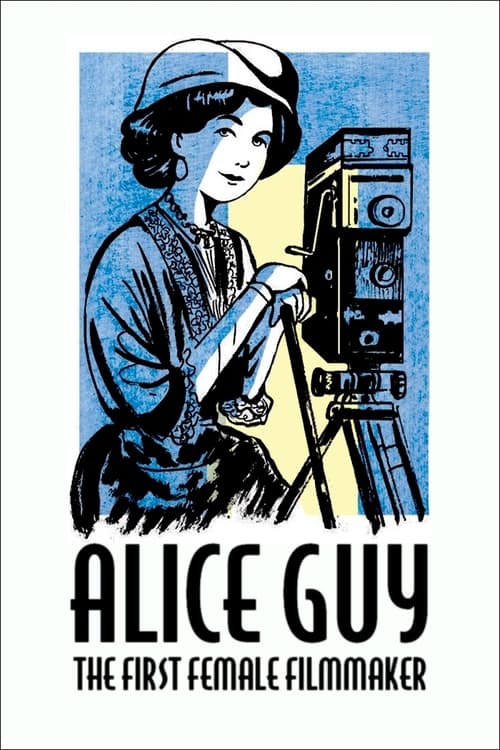
Alice Guy, the First Female Filmmaker
2021
No user ratings available yet
Representation score: 5.8 out of 10

Representation Score
Excellent
1995
Director
Nagisa Ōshima
Runtime
52 minutes
Average Rating
No ratings yetNew Showbiz Analysis
Nagisa Ōshima uses this documentary as a critical intervention rather than a passive timeline. His curation intentionally challenges traditional hierarchies and offers a sophisticated critique of power dynamics within the Japanese cinematic canon. The film excels at deconstructing institutional authority and surfacing suppressed queer subtext. However, it remains focused on the domestic Japanese experience and lacks a specific centering of neurodivergence or physical disability.
Category Breakdown
The film showcases the evolution of queer visibility and disrupts monolithic historical narratives by highlighting non-straight relationships and gender identities. It presents a curated retrospective of these themes.
The documentary focuses on the evolution of gender roles, moving from submissive archetypes to complex representations that challenge patriarchal structures. It highlights the changing dynamics of femininity and masculinity.
The film captures diverse socioeconomic and ethnic experiences through historical clips, though it remains largely centered on the Japanese experience.
The documentary deconstructs traditional institutions and critiques state-sanctioned narratives, prioritizing a subjective view of history. It questions rigid family units and imperial hierarchies.
The documentary maintains a neutral stance on disability, which may appear within historical clips but is not a primary narrative driver.
Present on Screen
Limited or Absent
Official Synopsis
The story of the first century of Japanese cinema from the point of view of the controversial Japanese filmmaker Nagisa Ōshima.
2021

1995
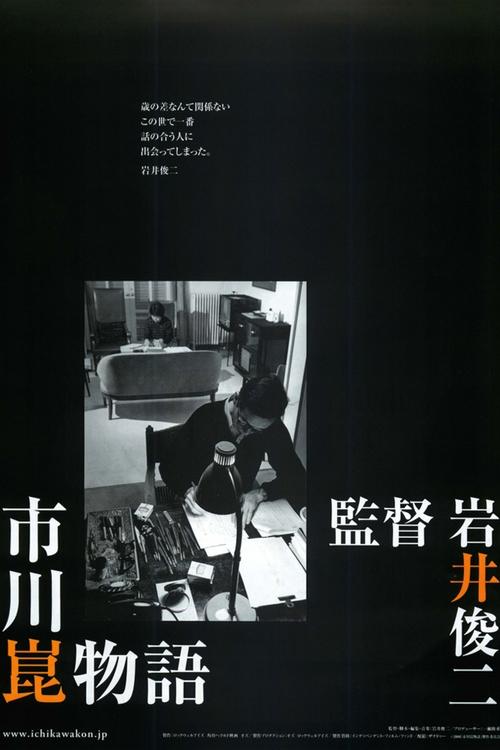
2006

1985
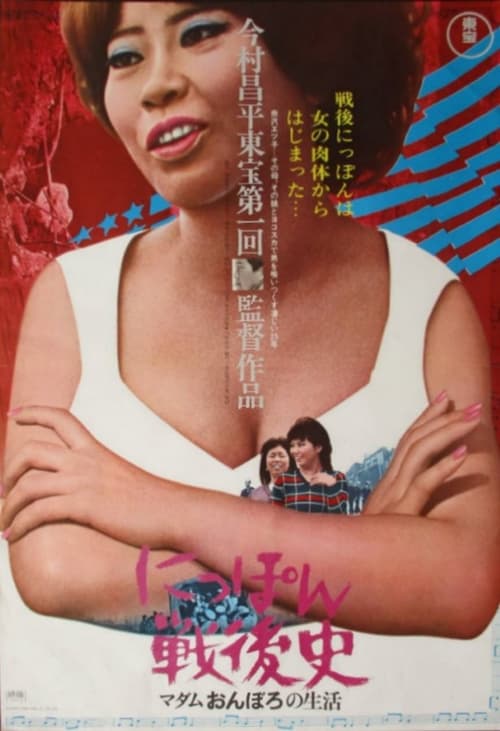
1970
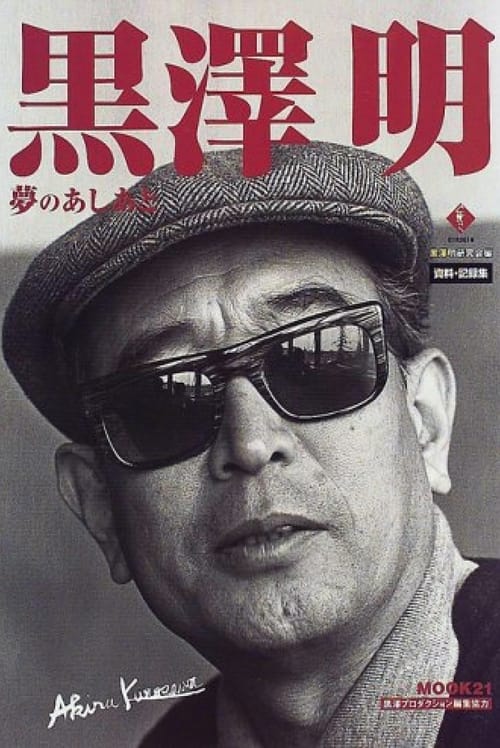
1999
2013
2000
No reviews yet. Be the first to share your thoughts on this movie!
Use the rating form above to leave a star rating and optional review.