Americans Underground: Secret City of WWI
2017
No user ratings available yet
Representation score: 2.0 out of 10
Representation Score
Limited
2016
Director
Daniel Costelle, Isabelle Clarke
Runtime
90 minutes
Average Rating
No ratings yetNew Showbiz Analysis
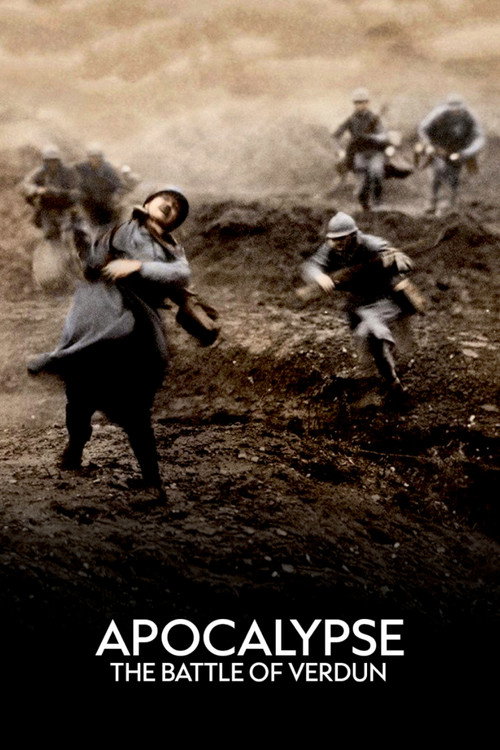
The documentary excels at deconstructing the myth of military glory, opting instead for a somber examination of human suffering and institutional failure. It uses colorized archival footage to create a visceral, immersive realism that connects modern viewers to historical trauma. However, the film is demographically limited by its historical subject matter. The archival record is almost entirely white and male, resulting in very low scores for racial and gender diversity. Ultimately, the film's strength lies in its moral relativism. It shifts the focus from nationalistic fervor to the systemic harm inflicted on individual soldiers by the industrial military apparatus.
Category Breakdown
The film focuses strictly on the historical frontline combatants of 1916. There are no LGBTQ+ characters or narratives present in the documentary.
The narrative centers almost exclusively on the male experience of industrial warfare. It lacks significant female involvement, reflecting the masculine sphere of combat during this period.
The visual record is overwhelmingly homogeneous, featuring European soldiers. This reflects the demographic realities of the military forces involved in the Battle of Verdun.
The film critiques traditional patriotic narratives by emphasizing the futility of conflict. It frames the war as a senseless industrial slaughter rather than a glorious nationalistic endeavor.
The documentary provides a raw depiction of physical disability and psychological trauma. It highlights the catastrophic effects of shrapnel and shell shock as central themes.
Present on Screen
Limited or Absent
Official Synopsis
A detailed account of one of the bloodiest battles of World War I. Between February and December 1916, the French and German armies relentlessly fought in the devastated camps around the village of Verdun.
2017
2012
2016
2001
2011
2018
2010
1921
No reviews yet. Be the first to share your thoughts on this movie!
Use the rating form above to leave a star rating and optional review.