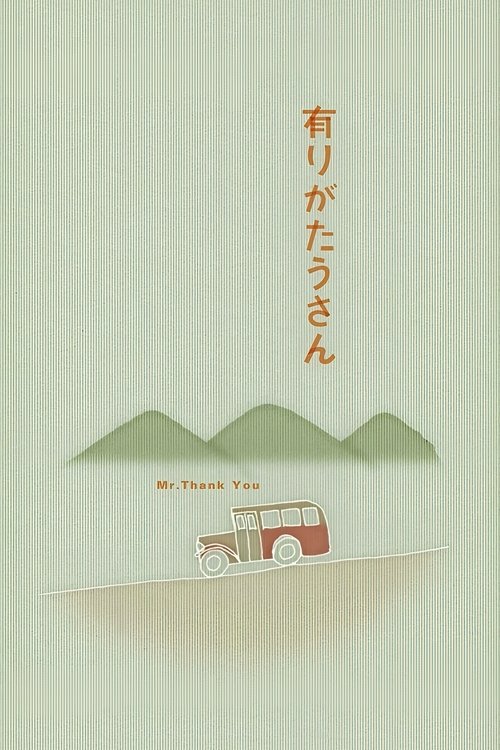
Mr. Thank You
1936
No user ratings available yet
Representation score: 2.1 out of 10
Representation Score
Good
1993
Director
Yōichi Sai
Runtime
109 minutes
Average Rating
No ratings yetNew Showbiz Analysis
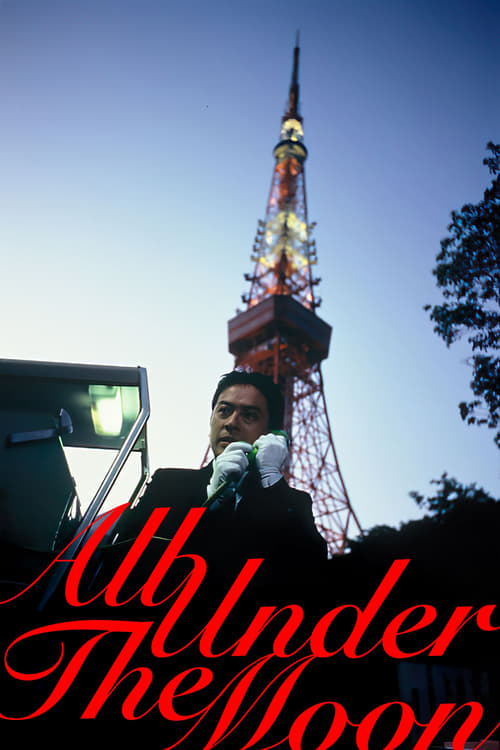
All Under the Moon stands out for its intentional disruption of the homogeneous Japanese media cliché. By centering a Korean taxi driver in 1990s Tokyo, the film provides a vital lens into the complexities of nationality and class. The narrative uses the microcosm of a taxi to examine the intersections of social mobility and xenophobia. This perspective allows for a meaningful critique of how systemic pressures affect those living on the fringes of society. While the film excels in ethnic representation, it lacks specific evidence regarding gendered ability to act or LGBTQ+ identities. The focus remains primarily on the multi-layered struggles of the protagonist's ethnic and social status.
Category Breakdown
The film explores non-traditional social roles through the driver's underrepresented perspective. However, there is no explicit evidence of specific LGBTQ+ identities or romantic arcs.
The narrative implies diverse gendered social dynamics through various customer interactions. The film's potential to challenge traditional hierarchies remains unconfirmed by specific depictions of women's ability to drive the story.
Centering a Korean protagonist disrupts the monolithic perception of Japanese urban life. This choice provides a character with high ability to act navigating ethnic identity and systemic belonging.
The story critiques systemic social structures by highlighting the tragic friction between ethnic minorities and traditional institutions. It avoids celebrating national homogeneity in favor of social critique.
There is no evidence regarding the portrayal of physical or neurodivergent disabilities within the film.
Present on Screen
Limited or Absent
Official Synopsis
A Korean taxi-driver interacts both humorously and tragically with his customers and employers in '90s Tokyo.
1936

1960

1947

2018
1999
2006
1992

1969
No reviews yet. Be the first to share your thoughts on this movie!
Use the rating form above to leave a star rating and optional review.