
Mulberry
1986
No user ratings available yet
Representation score: 4.3 out of 10
Representation Score
Fair
1992
12Director
Kang Woo-suk
Average Rating
No ratings yetNew Showbiz Analysis
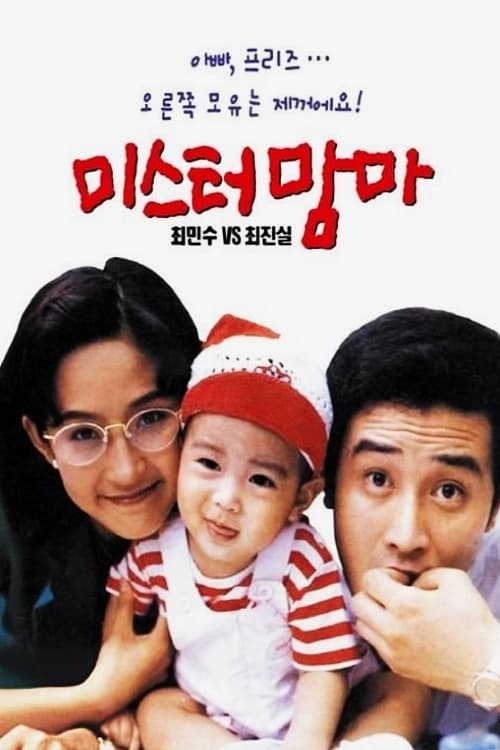
Mister Mama is a period-specific domestic comedy that uses gender-role reversal to drive its narrative. By placing a male character in a maternal role, the film slightly disrupts traditional masculine expectations, but it remains firmly grounded in the social standards of its time. However, the film lacks depth in addressing multiple aspects of identity. It adheres strictly to the demographic homogeneity of 1992 South Korea, offering limited racial or multi-ethnic diversity. The subversion of gender roles serves primarily as a comedic device rather than a systematic critique of social norms. Ultimately, the film is a localized product of its era. While it explores domestic roles humorously, it does not extend to include diverse identities, disabilities, or broader cultural critiques.
Category Breakdown
The film does not depict non-straight relationships or identities. It follows the social norms of 1992 South Korea.
The movie subverts traditional gender roles by showing a male character in domestic caregiving roles. This deviation from typical masculine roles is presented humorously.
The film reflects the demographic uniformity of its time and market. It focuses solely on the Korean experience without including multi-ethnic representation.
The story aligns with the cultural norms and family dynamics of early 90s South Korea. It does not actively challenge or critique contemporary social structures.
There are no characters with physical or neurodivergent disabilities in the film.
Present on Screen
Limited or Absent
1986
2002
2013

2004

2017
1993
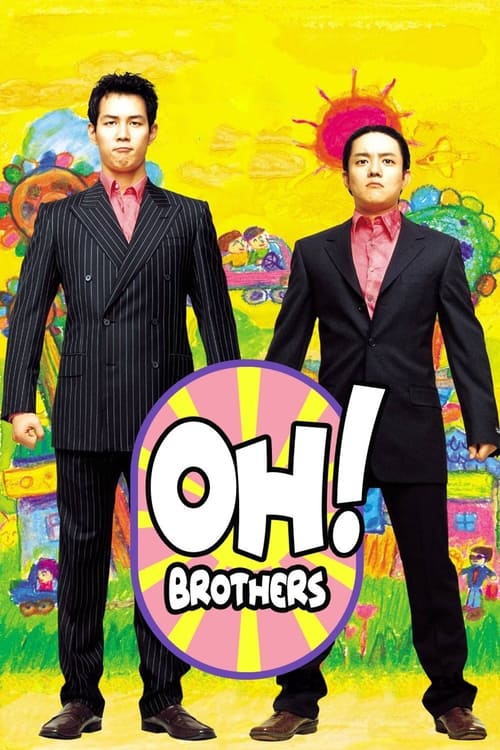
2003

1988
No reviews yet. Be the first to share your thoughts on this movie!
Use the rating form above to leave a star rating and optional review.