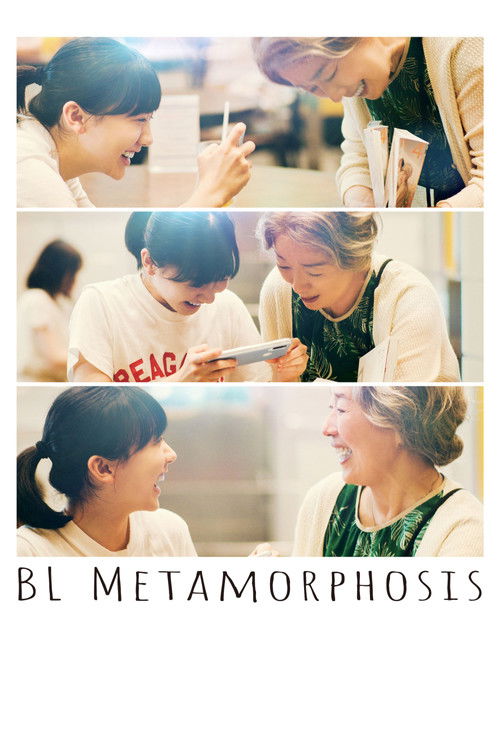
BL Metamorphosis
2022
No user ratings available yet
Representation score: 8.2 out of 10
Representation Score
Fair
1999
Director
Nobuhiro Yamashita
Runtime
84 minutes
Average Rating
No ratings yetNew Showbiz Analysis
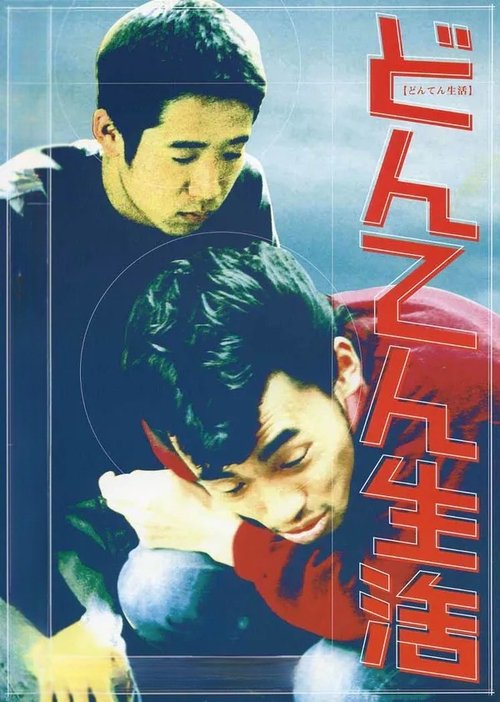
Hazy Life is a character-driven film that centers on the experiences of outsiders. By highlighting an unusual friendship in a regular urban setting, the film delves into the subtleties of social isolation and human connection. The narrative structure favors atmospheric storytelling over dramatic plots, allowing for a deeper exploration of characters on the periphery of society. Though the film challenges conventional social paths, it does not provide enough detailed information about diverse identities to achieve a higher diversity rating. It remains a subtle examination of life outside institutional norms.
Category Breakdown
The film examines an unlikely friendship that goes beyond typical social structures. While there is no explicit confirmation of queer relationships, the story hints at the possibility of non-traditional connections.
The interactions between Tsutomu and Kee might challenge traditional gender roles. The story emphasizes emotional openness and companionship rather than conventional gender power dynamics.
Given its Japanese context, the film focuses on characters living on the outskirts of mainstream society. It highlights individuals who exist outside typical societal norms.
The narrative uses social realism to critique organized social life. By focusing on a Pachinko hall, it emphasizes spontaneous human interaction over traditional family or work milestones.
There is no specific depiction of physical or neurodivergent disabilities in the narrative.
Present on Screen
Limited or Absent
Official Synopsis
Tsutomu meets Kee outside a Pachinko hall. The two strike up an unlikely friendship.
2022

2004
2012
1986
1993
2006
1988

2014
No reviews yet. Be the first to share your thoughts on this movie!
Use the rating form above to leave a star rating and optional review.