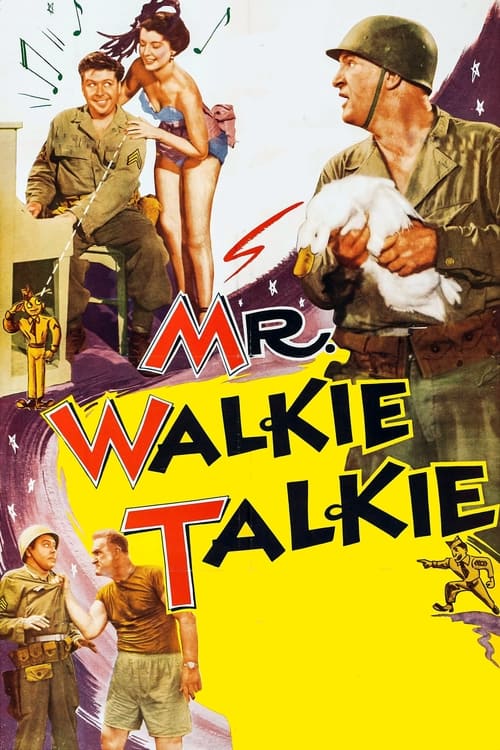
Mr. Walkie Talkie
1952
No user ratings available yet
Representation score: 1.8 out of 10

Representation Score
Limited
1959
ApprovedDirector
George Pollock
Runtime
85 minutes
Average Rating
No ratings yetNew Showbiz Analysis
Don't Panic Chaps adheres to the cinematic conventions of 1959, emphasizing traditional masculine storytelling. The plot revolves around male soldiers, offering little space for diverse perspectives or layered identities. The film leans on established nationalistic binaries, highlighting the conflict between British and German identities while introducing a small degree of ethnic variety through a Slavic character. However, overall representation remains narrow and Eurocentric. Ultimately, the narrative employs female characters primarily as points of contention rather than independent agents, reinforcing the social hierarchies typical of wartime comedies from this era.
Category Breakdown
The film assumes everyone is straight and cisgender, with no representation of LGBTQ+ identities or non-traditional gender expressions.
The film features a single female character who seems to exist mainly to drive conflict between male characters, rather than as an independent agent.
The cast is mostly white and Anglo-European, with limited ethnic variety reflected in the inclusion of a Slavic character and the British-German conflict.
The film uses a monastery setting for comedy, focusing on wartime nationalism rather than exploring deeper cultural or religious themes.
There are no characters with visible or invisible disabilities in the story.
Present on Screen
Limited or Absent
Official Synopsis
During World War II, four British soldiers are commissioned to set up an observation post on a seemingly deserted island in the Mediterranean. However, while surveying the island, the Brits come across four German soldiers holed up in a monastery. The Brits and the Germans agree to a truce, sharing the monastery together until either the British or German troops arrive. But when a shipwrecked Slavic girl ends up on the island, a battle over her erupts amongst the men.
1952
1959
1965

1991
1961
1968
1965
1957
No reviews yet. Be the first to share your thoughts on this movie!
Use the rating form above to leave a star rating and optional review.