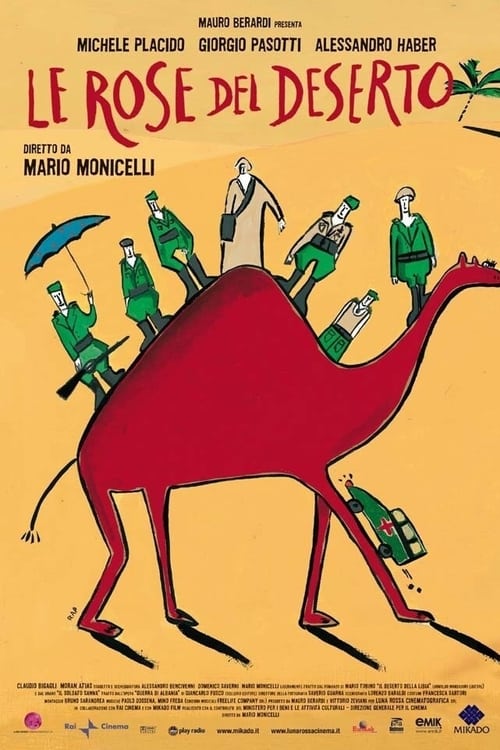
The Roses of the Desert
2006
No user ratings available yet
Diversity score: 6.3 out of 10
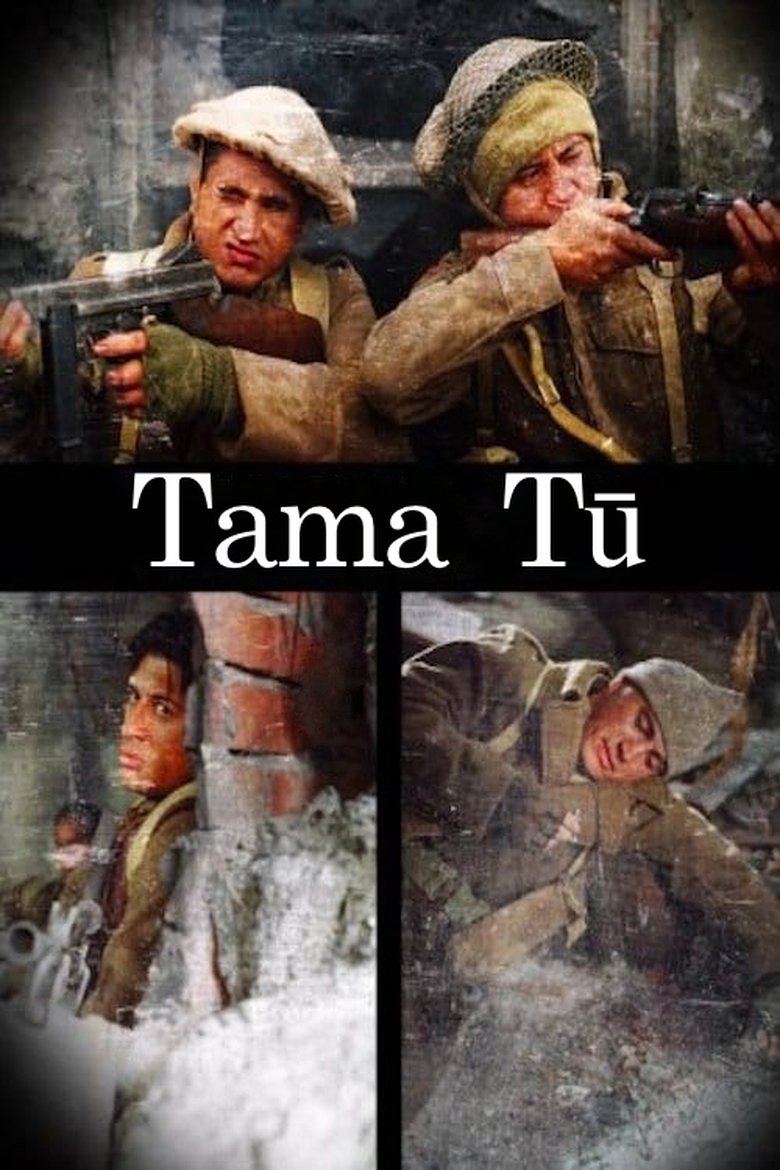
2004
TV-MADirector
Taika Waititi
Runtime
18 minutes
Average Rating
No ratings yetSynopsis
Six Māori Battalion soldiers camped in Italian ruins wait for night to fall. In the silence, the bros-in-arms distract themselves with jokes. A tohu (sign) brings them back to reality, and they gather to say a karakia before returning to the fray. Director Taika Waititi describes the soldiers as young men with "a special bond, strengthened by their character, their culture and each other.
Overall Score
Good
Category Breakdown
LGBTQ+ Representation
The film focuses entirely on the camaraderie of Māori soldiers in a wartime setting. There is no depiction of queer identities or non-heteronormative subtext.
Gender Representation
The narrative centers on male soldiers, exploring companionship and shared identity under duress. It operates within a traditional, gender-homogenous military framework.
Racial & Ethnic Diversity
By centering the Māori Battalion, the film disrupts Anglo-centric WWII tropes. The characters possess high agency, driven by their specific cultural identities.
Religious & Cultural Diversity
The film prioritizes Māori spiritual practices and communal bonds over Western military stoicism. It honors indigenous social structures amidst a foreign conflict.
Disability Representation
There are no prominent depictions of physical or neurodivergent disabilities. The narrative remains focused on the collective experience of the unit.
Strengths
Areas for Improvement
AI Analysis
Tama Tū is a powerful exercise in deconstructing Western war cinema through an Indigenous lens. It successfully shifts the focus from standard military tropes to the specific cultural realities of the Māori Battalion. While the film lacks gender and LGBTQ+ diversity, it compensates by providing deep, authentic representation of Māori identity. The use of ritual and kinship creates a nuanced counter-narrative to mainstream historical depictions. Ultimately, the work succeeds by refusing to assimilate Māori culture into a generic war story, instead allowing indigenous social structures to drive the emotional core.
2006
1965
1943

1959
1960
1952
1938

1989
2007
1960

1955
No reviews yet. Be the first to share your thoughts on this movie!
Use the rating form above to leave a star rating and optional review.