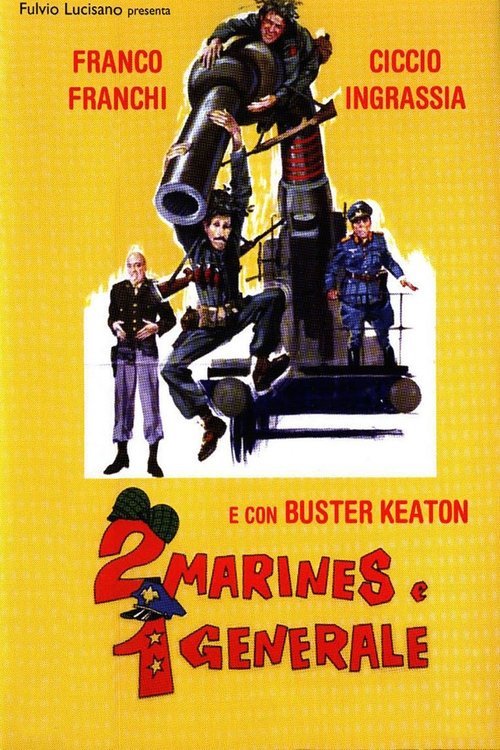
War Italian Style
1965
No user ratings available yet
Representation score: 2.1 out of 10

Representation Score
Minimal
1984
Director
Henri Verneuil
Runtime
95 minutes
Average Rating
No ratings yetNew Showbiz Analysis
The Vultures is a traditional war-comedy that prioritizes genre clichés and classical storytelling over social deconstruction. The narrative is built around established masculine archetypes and a rigid military hierarchy, leaving little room for diverse identity exploration. While the North African setting provides a geographic backdrop, the film remains centered on French colonial interests and military duty. The character dynamics are driven by conventional gender roles and individual morality rather than perspectives that reflect multiple aspects of identity. Ultimately, the film serves as a standard genre exercise. It adheres to historical and cinematic norms of the 1980s, focusing on the tension between greed and duty within a structured military environment.
Category Breakdown
The film focuses on military conflict and a gold heist. It does not depict non-cisgender identities or same-sex relationships, instead emphasizing traditional masculine roles.
Female characters seem to function as clichés, such as the seductive wife who drives male tension. The central leadership and conflict are driven entirely by male military figures.
Set in Tunisia during WWII, the film operates within a colonial context. However, the narrative focus remains strictly on the French military unit and its assets.
The story centers on wartime morality and individual greed. It lacks systemic critiques of Western institutions, functioning instead as a classic genre piece about duty.
There is no discernible evidence regarding the portrayal of visible or invisible disabilities within the narrative.
Present on Screen
Limited or Absent
Official Synopsis
April 5, 1943: a battalion of the Foreign Legion arrives in El Ksour, Tunisia, to escort a fortune in gold bars to the home front. A German ambush awaits, and all but four die. Thanks to the street smarts of Sergeant Augagneur, the Legionnaires successfully counter attack. The bank manager and his seductive wife arrive, and so does a German lieutenant, whom the French arrest. Augagneur wants to steal the gold; warrant officer Mahuzard wants to do his duty. A series of alliances form and break apart, the group dwindles in number, and the gold heads south toward Betahoua. But in whose possession?
1965

1964
1959

1973

1955

1970
2006
1943
No reviews yet. Be the first to share your thoughts on this movie!
Use the rating form above to leave a star rating and optional review.