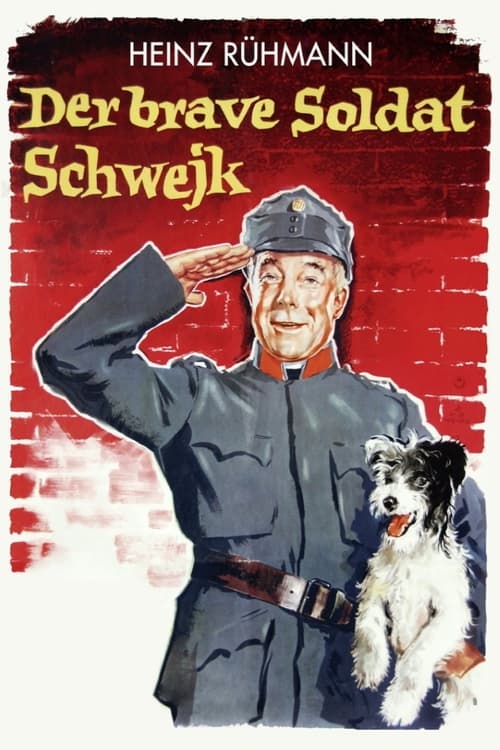
Der brave Soldat Schwejk
1960
No user ratings available yet
Representation score: 4.8 out of 10
Representation Score
Fair
1943
Director
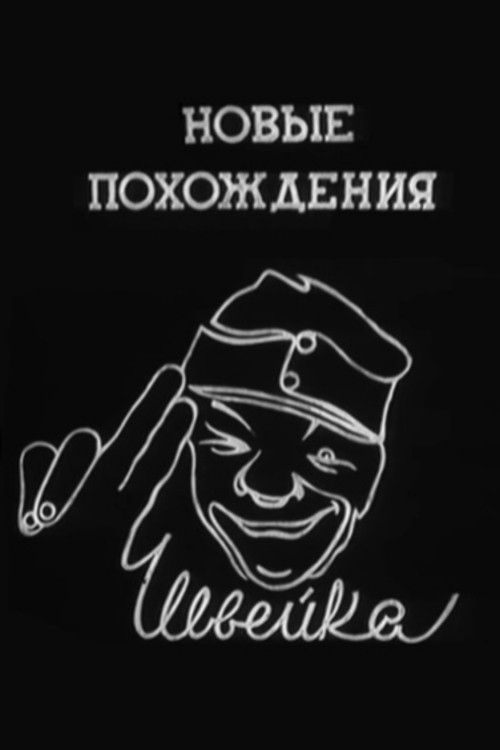
Sergei Yutkevich
Runtime
68 minutes
Average Rating
No ratings yetNew Showbiz Analysis
The film serves as a sophisticated critique of imperialist structures. It replaces traditional narratives of patriotism with a framework of moral relativism and systemic critique. While it doesn't include modern multi-layered elements, it offers progressive value through its subversion of state authority. Its strength lies in transforming the protagonist's perceived social dysfunction into a form of liberation. By using 'idiotism' as a tool of resistance, the film challenges the moral absolutes of the state. However, the film remains limited by its historical setting, particularly regarding gender and sexual orientation. It reinforces traditional gender roles and lacks any queer representation.
Category Breakdown
There are no visible LGBTQ+ characters or non-straight storylines in the film. It follows traditional gender and orientation norms of its historical context.
The story centers around male-dominated military and bureaucratic systems. Women play minor roles, such as tavern keepers, and have little influence over central power dynamics.
The film highlights the diverse ethnicities of the Austro-Hungarian Empire. It uses various Central European identities to show conflicts within a multi-national empire.
The narrative critiques Western institutions like the monarchy and military. It presents state authority as corrupt and irrational through a lens of systemic critique.
The protagonist's perceived cognitive impairment is used as a strategic survival tool. This challenges traditional clichés by giving the character significant control and independence.
Present on Screen
Limited or Absent
Official Synopsis
The New Adventures of Schweik adopted to the WWII reality.
1960
1942
1962

1946
1960

1962

1990
1952
No reviews yet. Be the first to share your thoughts on this movie!
Use the rating form above to leave a star rating and optional review.