Gate of Hell
1953
No user ratings available yet
Representation score: 1.8 out of 10
Representation Score
Limited
2013
NRDirector
Mitsutoshi Tanaka
Runtime
124 minutes
Average Rating
No ratings yetNew Showbiz Analysis
The film is a disciplined historical drama that prioritizes aesthetic precision and philosophical conflict over contemporary identity politics. It functions as a character study of how personal conviction survives within a rigid, patriarchal power structure. While the work does not actively disrupt conventional social hierarchies or prioritize diverse representation, it succeeds in exploring the friction between individual ability to act and the weight of traditional institutions. The narrative remains deeply rooted in its specific historical context.
Category Breakdown
The film focuses on the rigid social structures of the Sengoku period. It explores deep emotional bonds through the tea ceremony but does not depict non-straight or non-cisgender identities.
Power is concentrated in male figures like Sen no Rikyu and Toyotomi Hideyoshi. The narrative is driven by male political conflict, with little evidence of female characters having high political influence.
Set in Japan, the film depicts a culturally homogeneous society. It maintains historical realism without using race-bending or multicultural blending as a storytelling tool.
The story explores the tension between individual aesthetic philosophy and state authority. It portrays the conflict between personal truth and institutional power through the lens of historical inevitability.
There is no evidence regarding the inclusion or portrayal of characters with visible or invisible disabilities.
Present on Screen
Limited or Absent
Official Synopsis
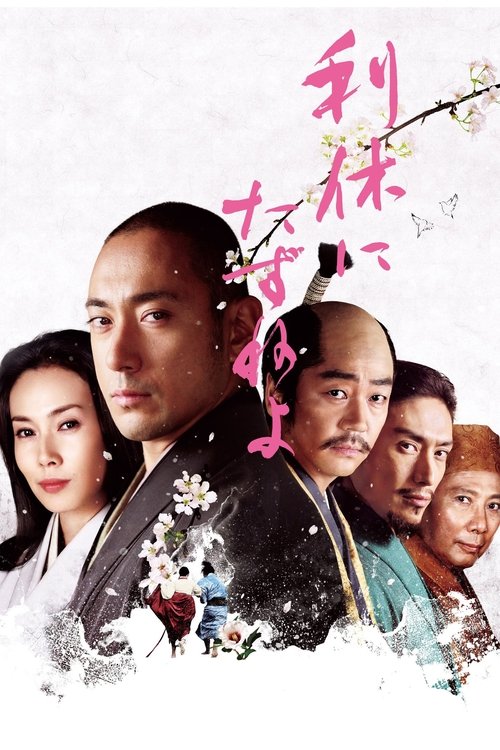
Sen no Rikyu (Ebizo Ichikawa) is the son of a fish shop owner. Sen no Rikyu then studies tea and eventually becomes one of the primary influences upon the Japanese tea ceremony. With his elegant esthetics, Sen no Rikyu is favored by the most powerful man in Japan Toyotomi Hideyoshi (Nao Omori) and becomes one of his closest advisors. Due to conflicts, Toyotomi Hideyoshi then orders Sen no Rikyu to commit seppuku (suicide). Director Mitsutoshi Tanaka's adaptation of Kenichi Yamamoto's award-winning novel of the same name received the Best Artistic Contribution Award at the 37th Montréal World Film Festival, the Best Director Award at the 2014 Osaka Cinema Festival, the 30th Fumiko Yamaji Cultural Award and the 37th Japan Academy Film Prize in nine categories, including Best Art Direction, Excellent Film and Excellent Actor.
1953
1999
1992
2002
1989

1989
2009
2010
No reviews yet. Be the first to share your thoughts on this movie!
Use the rating form above to leave a star rating and optional review.