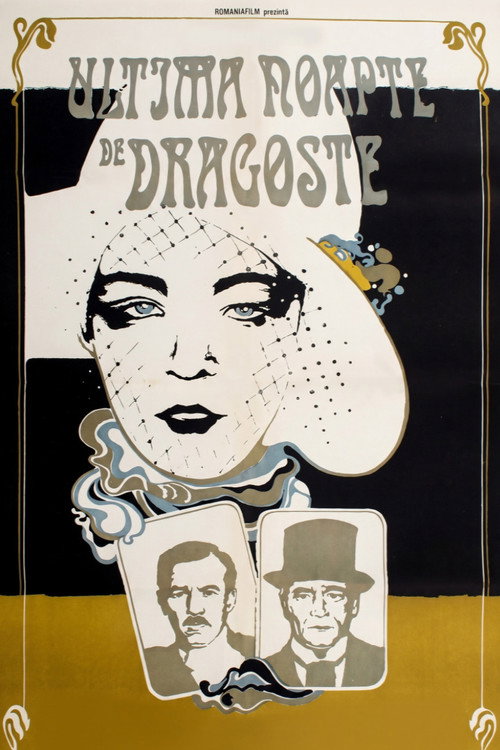
Last Night of Love
1980
No user ratings available yet
Representation score: 2.0 out of 10
Representation Score
Fair
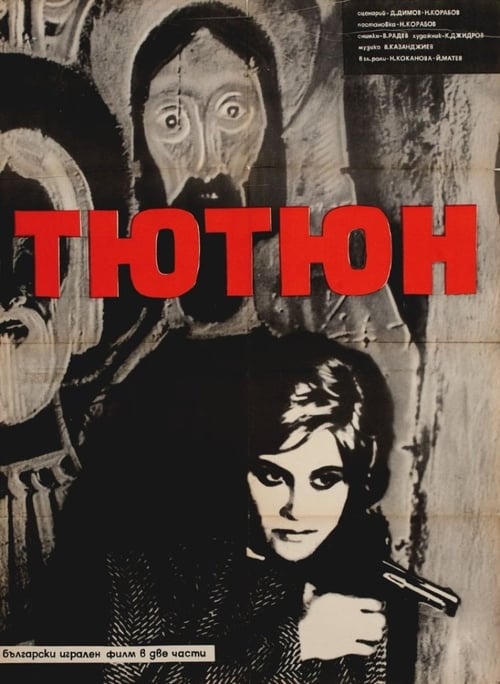
1962
Director
Nikola Korabov
Runtime
150 minutes
Average Rating
No ratings yetNew Showbiz Analysis
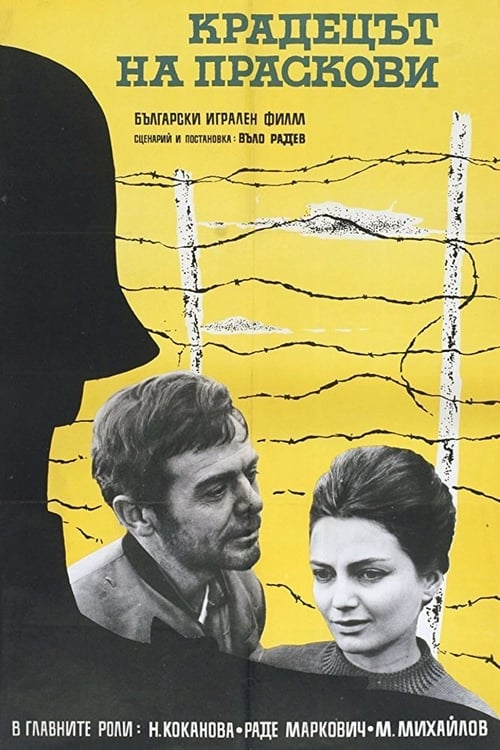
Tobacco is a period drama that uses class struggle to challenge social hierarchies. It effectively critiques capitalist accumulation and the instability of patriarchal power through the protagonist's downfall. However, the film lacks modern markers of diversity. It remains focused on a Bulgarian context and traditional romantic structures, offering limited visibility for LGBTQ+ identities or diverse ethnic backgrounds. Ultimately, the film's strength lies in its critique of greed and its subversion of the 'successful' capitalist archetype within its historical setting.
Category Breakdown
The film does not include explicit LGBTQ+ characters or explore non-straight relationships. The story centers on the romantic and marital dynamics between Boris and Irina.
Irina challenges traditional submissive female roles by seeking control through an external lover. The narrative deconstructs masculine power, showing how Boris's authoritarian rule is undermined by his personal weaknesses.
The cast predominantly reflects the Bulgarian ethnic identity of the time. German characters appear as part of the geopolitical tensions involving the Nazi-allied monarchy.
The film strongly critiques capitalist greed and the traditional monarchy. It highlights the collective struggle of communist partisans against oppressive industrial and social institutions.
Disabilities are not central to character development. A wife's illness serves as a plot device rather than exploring physical or neurodivergent conditions.
Present on Screen
Limited or Absent
Official Synopsis
Boris Morev dreams of money and power, he’ll do everything to reach the top, including leaving his beloved Irina, to marry the daughter of the local tobacco factory owner. With the death of his father-in-law and the illness of his wife, Morev becomes the new owner of "Nicotiana" and rules with an iron fist, resulting in massive labour strikes and murder. He ropes Irina back into his life, first as a mistress and later as his second wife, but his ambitions still come first as he plans on emerging as the biggest tobacco seller once the war is over. Irina’s love for Boris is fading and she finds a lover in one of the Germans Boris is trying to strike a deal with. Set against the backdrop of World War II and communist partisans fighting against the Nazi-allied Bulgarian monarchy, the film is a screen adaptation of the Bulgarian classic novel "Tobacco" released in 1954.
1980
1974
2007

1965
1990
1995
1964
1965
No reviews yet. Be the first to share your thoughts on this movie!
Use the rating form above to leave a star rating and optional review.