
The Boys
1962
No user ratings available yet
Representation score: 5.3 out of 10
Representation Score
Limited
2007
Director
Mariya Mozhar
Runtime
78 minutes
Average Rating
No ratings yetNew Showbiz Analysis
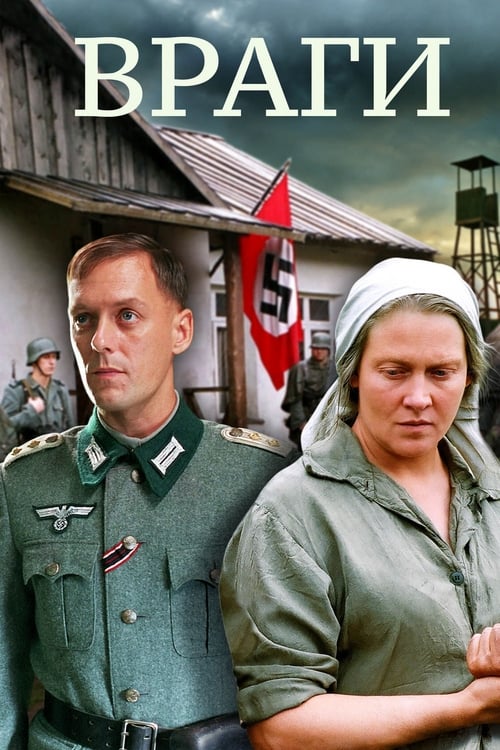
Enemies is a character-driven drama set during World War II in 1942 Belarus. It explores the clash between personal relationships and systemic violence. The film avoids simplistic moral binaries, instead focusing on the complexities of individual actions within institutional frameworks. It highlights the nuanced social interactions between German soldiers and the local population to challenge the traditional portrayal of the enemy. However, the film adheres to the conventional constraints of its historical setting, lacking contemporary multi-layered identities and excluding LGBTQ+ representation or disability.
Category Breakdown
The film does not include any LGBTQ+ characters or stories about non-assuming gender matches what was assigned at birth identities. The central romance focuses on a traditional heterosexual relationship.
Local women play key roles by managing their households and interacting socially. The female lead provides emotional and moral guidance throughout the story.
The story revolves around the tension between German invaders and the Belarusian community. It highlights the conflict between occupiers and the occupied.
The film examines moral complexity by showing German soldiers participating in social customs with locals. It questions how strict military structures can overshadow personal empathy.
There are no visible or mentioned portrayals of physical or cognitive disabilities in the story.
Present on Screen
Limited or Absent
Official Synopsis
Belarus, summer 1942. The war has moved on, far off to the east. The life of a small town where the German authorities of the region have set themselves up is getting back to "normal". The Germans study Russian, flirt with the local girls, the women wash their clothes and feed them. They have to carry on somehow... But suddenly the teenage son of the film's heroine decides to run away to the partisans and blows up a German train so that they could accept him. He gets caught and the Germans have to execute him in order "to teach others a lesson". That's the order and it can't be disobeyed. The Germans know that this execution will bring an end to their peaceful lives. The local commandant understands this better than anyone as he is already involved in a close relationship with the boy's mother. But he can't ignore an order from his commanders...
1962

1965

1959

1977

1980

2018

1962

2015
No reviews yet. Be the first to share your thoughts on this movie!
Use the rating form above to leave a star rating and optional review.