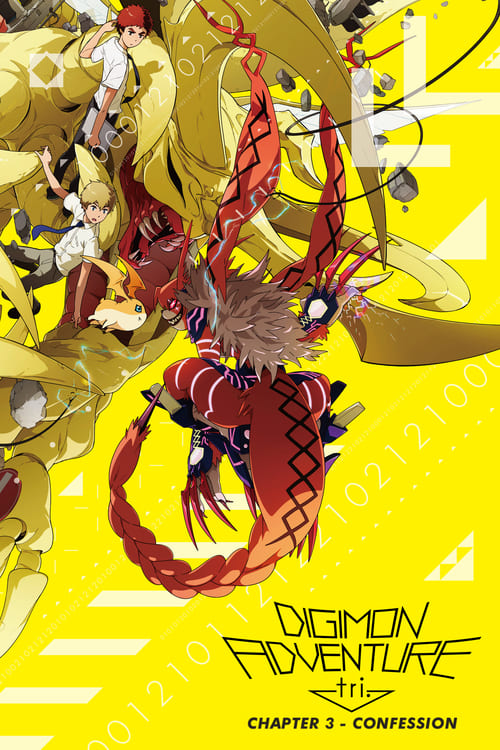
Digimon Adventure tri. Part 3: Confession
2016
No user ratings available yet
Representation score: 6.9 out of 10
Representation Score
Good
2017
TV-PGDirector
Keitaro Motonaga
Runtime
89 minutes
Average Rating
No ratings yetNew Showbiz Analysis
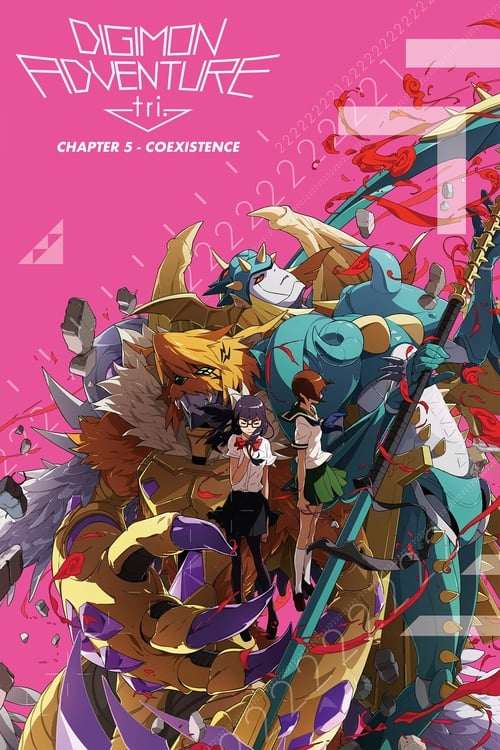
Digimon Adventure tri. Part 5: Coexistence moves away from simple heroism toward a more nuanced exploration of responsibility. It succeeds by challenging traditional gender roles and giving female characters central roles in decision-making rather than treating them as emotional anchors. However, the film remains limited by a lack of demographic variety. The cast is culturally uniform, and there is a notable absence of LGBTQ+ representation or characters defined by lived experiences of disability. Ultimately, the film's strength lies in its systemic critique. By challenging the 'hero' cliché and questioning institutional power, it offers a more sophisticated, morally ambiguous narrative than traditional adventure stories.
Category Breakdown
The film follows a traditional framework that assumes everyone is straight and cisgender. There are no visible depictions of LGBTQ+ identities or same-sex relationships within the main cast.
Female characters like Mimi, Sora, and Hikari play significant roles in driving the story. They pass the Bechdel test by discussing the central existential crisis.
The cast is culturally uniform, reflecting a contemporary urban Japanese setting. The narrative does not actively include diverse global perspectives or multi-layered demographics.
The story criticizes institutional authority and state-mandated order. It emphasizes the characters' personal moral convictions over the clinical, dehumanizing mandates of military institutions.
The film explores psychological trauma and anxiety among the protagonists. However, no central character arc is defined by a specific disability, visible or invisible.
Present on Screen
Limited or Absent
Official Synopsis
Meicoomon rampages after witnessing Meiko Mochizuki being injured by the man bearing Gennai's likeness. "It would have been better if you hadn't been born..." Meicoomon disappears into the Real World, which has since become distorted. Possessing overwhelming power, she's the key to the world's destruction.
2016
2017
2016
2018

2015
2001
2000
No reviews yet. Be the first to share your thoughts on this movie!
Use the rating form above to leave a star rating and optional review.