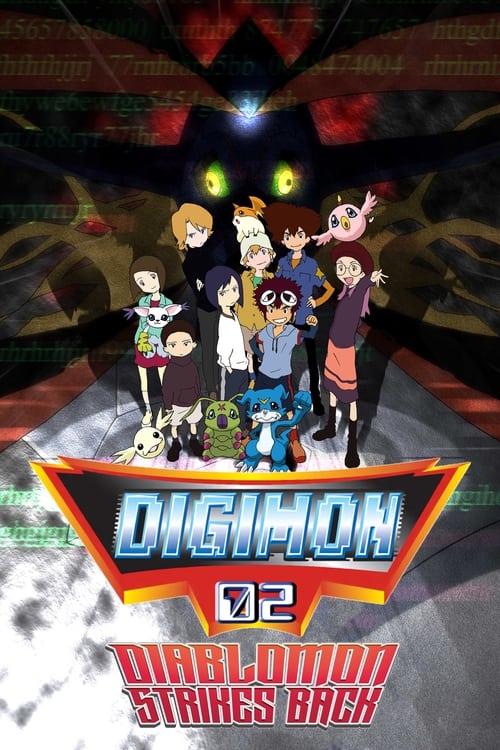
Digimon Adventure 02: Revenge of Diaboromon
2001
No user ratings available yet
Representation score: 6.3 out of 10
Representation Score
Limited
2000
PGDirector
Mamoru Hosoda
Runtime
41 minutes
Average Rating
No ratings yetNew Showbiz Analysis
Mamoru Hosoda’s film examines the interplay between childhood empowerment and the digital world. It shifts the focus from adult-led interventions to youth-led solutions, emphasizing digital literacy over physical confrontation. Though the film does not explicitly address diverse intersections of identity, it promotes a democratic vision of heroism. The narrative empowers young individuals to tackle technological challenges beyond the reach of conventional institutions. Overall, the film is rooted in a specific cultural context. It prioritizes the intensity of the digital experience and character-driven storytelling over the examination of social identity issues.
Category Breakdown
The film centers on a group of children dealing with a digital crisis. There is no clear representation of LGBTQ+ identities or non-conforming gender roles.
The ensemble features a balanced mix of genders where gender-based hierarchies are minimized. Sora plays a significant role in both strategy and emotion within the group.
The cast is predominantly Japanese, reflecting a specific suburban setting. The ethnic makeup is uniform, aligning closely with its local context.
The story emphasizes technology and child autonomy over religious traditions. It highlights the importance of youth-led solutions over traditional social structures.
There are no visible representations of physical, sensory, or neurological differences among the main characters or in the central storyline.
Present on Screen
Limited or Absent
Official Synopsis
Spring break turns into a summer war when the evil Diaboromon wreaks havoc on the internet, and Tai and Matt must achieve a new Digivolution to defeat him! Will Tai and the Digidestined save the world, and will Sora ever forgive Tai for giving her a hair clip?
2001
2009
2000
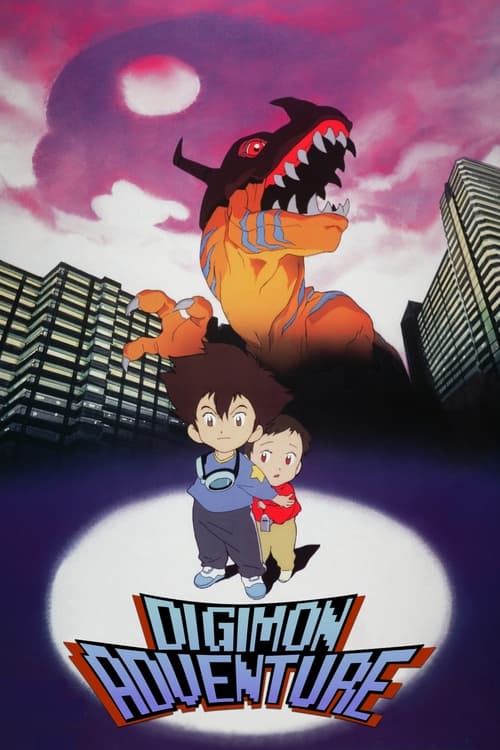
1999
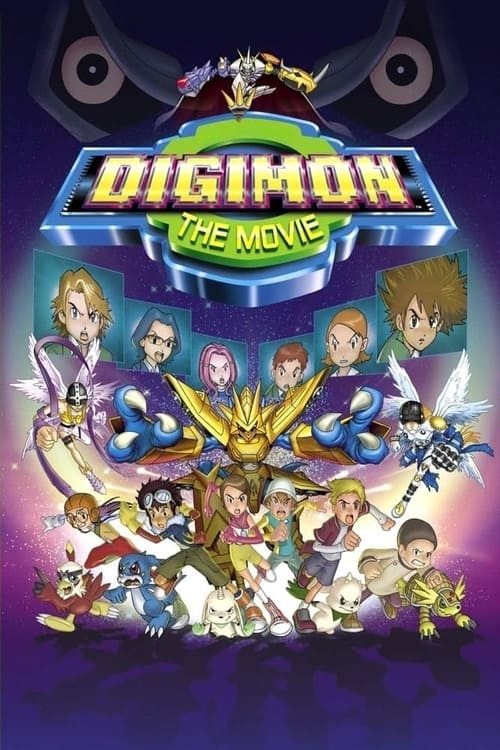
2000

2000
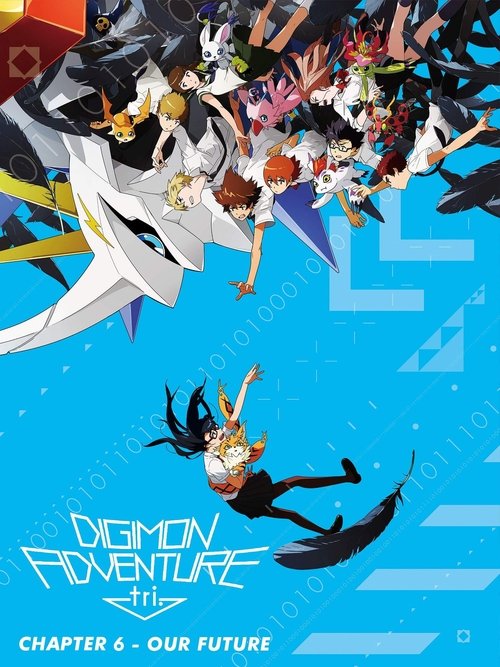
2018
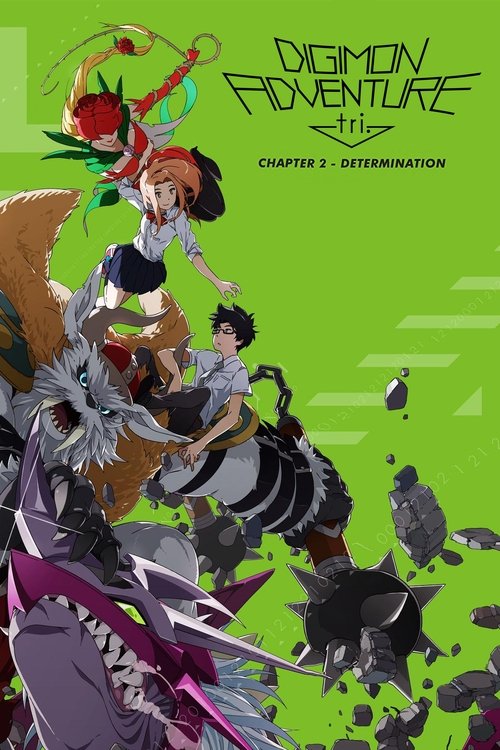
2016
No reviews yet. Be the first to share your thoughts on this movie!
Use the rating form above to leave a star rating and optional review.