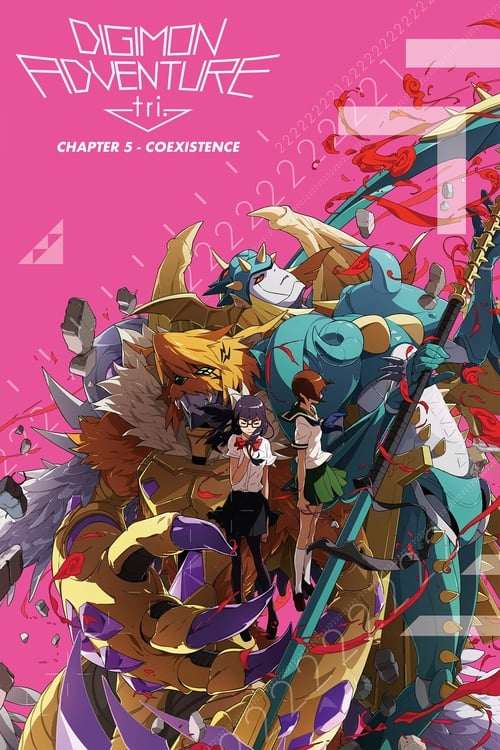
Digimon Adventure tri. Part 5: Coexistence
2017
No user ratings available yet
Representation score: 6.1 out of 10
Representation Score
Fair
2018
TV-PGDirector
Keitaro Motonaga
Runtime
98 minutes
Average Rating
No ratings yetNew Showbiz Analysis
The film operates as a traditional genre piece that prioritizes franchise continuity over social disruption. It maintains a conventional narrative structure that adheres to established cultural and social norms. While the film provides meaningful roles for female characters, it lacks complexity in representing diverse identities. The storytelling focuses on character-driven adventure rather than challenging social hierarchies. Ultimately, the work functions within a localized, culturally specific reality. It does not seek to challenge existing structures, resulting in a narrative that feels safe and familiar rather than progressive.
Category Breakdown
The story follows traditional structures that assume everyone is straight or cisgender. There is no evidence of non-binary gender identities or same-sex relationships among the main characters.
Female characters like Sora, Mimi, and Hikari play significant roles in driving the story. They avoid submissive stereotypes and contribute intellectually to resolving the crisis.
The film presents a culturally homogeneous Japanese setting. It lacks racial diversity but avoids promoting Anglo-centric norms or whitewashing.
Themes focus on the transition from childhood to adulthood and the responsibility of the 'chosen.' The moral framework aligns with traditional heroic archetypes rather than modern relativism.
The primary cast consists of typical teenagers navigating a fantasy environment. There is no focus on neurodivergent characters or physical disabilities driving the plot.
Present on Screen
Limited or Absent
Official Synopsis
The world has begun to collapse. The rampaging Meicoomon absorbs Tailmon, who underwent a dark evolution, and changes form into the immensely powerful Ordinemon. In accordance with Yggdrasil's expectation, the real world is about to be engulfed by the Digital World. Meanwhile, Homeostasis considers Ordinemon to be out of control and puts into motion its final plan that will entangle the real world. Then the time comes for the DigiDestined to arrive at a final decision. What future do they choose for themselves?
2017

2021
2017
2019

2016
2016

2015
2020
No reviews yet. Be the first to share your thoughts on this movie!
Use the rating form above to leave a star rating and optional review.