Moshi Monsters: The Movie
2013
No user ratings available yet
Diversity score: 4.1 out of 10
2001
PGDirector
Hiroyuki Kakudou
Runtime
30 minutes
Average Rating
No ratings yetSynopsis
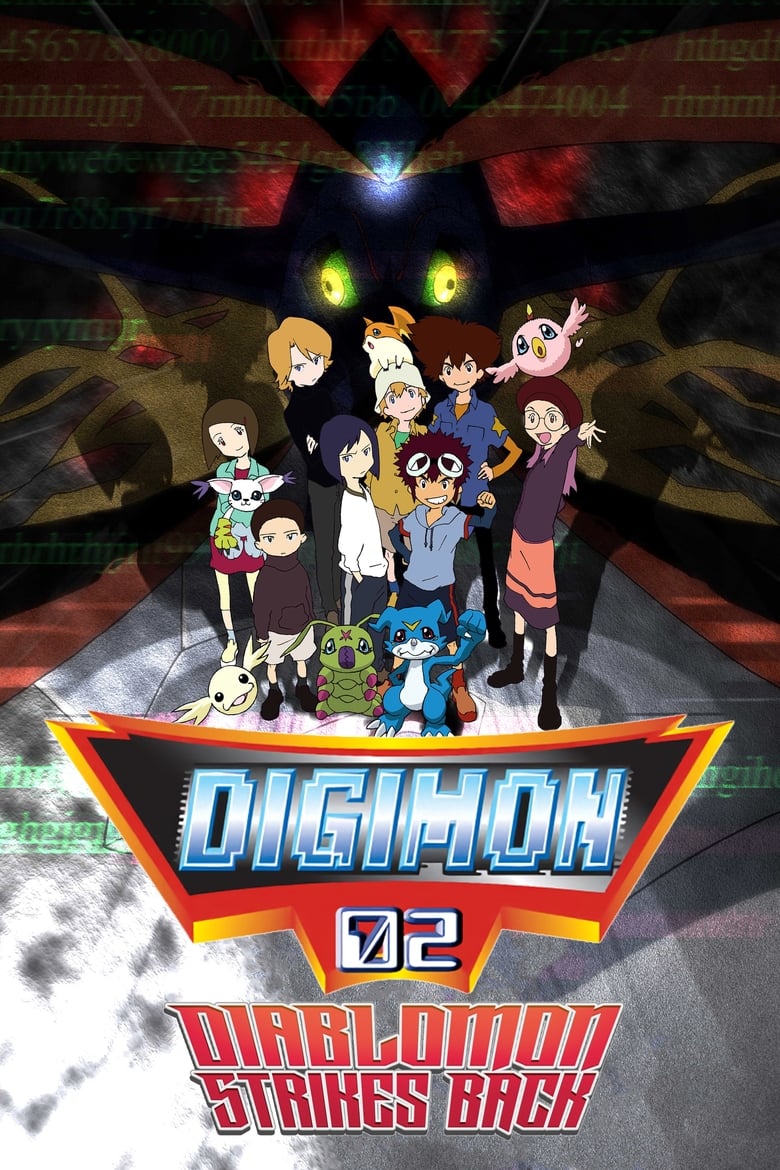
In this movie, that takes place three months after MaloMyotismon's defeat, the DigiDestined go up against Diaboromon again. Tai and Matt head back to the Internet to deal with him with Omnimon, while the younger Chosen Children go to deal with the rampage of a swarm of Kuramon (Diaboromon's Fresh form). With the help of Angemon and Angewomon (with T.K. and Kari), Omnimon was able to destroy Diaboromon again, but it turned out to be a trap, as his destruction allowed many more Kuramon to go to the Real World. Things go out of control when the Kuramon in the Real World merge to create a Mega level called Armageddemon, an alternate Mega in Diaboromon's evolutionary line. It is so powerful that neither Omnimon nor Imperialdramon were able to defeat it on their own.
Overall Score
Fair
Category Breakdown
LGBTQ+ Representation
The film lacks explicit LGBTQ+ identities or non-cisnormative gender expressions. Character dynamics focus on traditional platonic or heteronormative archetypes typical of early 2000s adventure animation.
Gender Representation
Female characters like Sora and Kari possess significant agency and are integral to the group's tactical success. The film passes the Bechdel test through meaningful interactions between female protagonists.
Racial & Ethnic Diversity
The multi-protagonist structure avoids a singular, homogeneous hero archetype. However, the score is moderate as the film lacks explicit emphasis on varied ethnic backgrounds or race-bent casting.
Religious & Cultural Diversity
The story follows a traditional good versus evil framework emphasizing duty and cooperation. It lacks engagement with systemic critique or moral relativism, focusing instead on protecting order.
Disability Representation
There are no prominent depictions of physical or neurodivergent disabilities. Ken's psychological arc is framed as a standard redemption story rather than an exploration of mental health agency.
Strengths
Areas for Improvement
AI Analysis
The film serves as a transitional piece of media that prioritizes collective agency over individualist hierarchies. It avoids regressive gender roles by empowering a diverse ensemble of young protagonists to lead the narrative. While the production lacks the intersectional complexity or subversive political frameworks found in modern cinema, it maintains a balanced power dynamic. The characters' importance is defined by their status as DigiDestined rather than social roles. Ultimately, the film provides a meaningful representation of youth leadership through cooperation, even if it remains within the traditional moral landscapes of its era.
2013

2025
2013
2005
2005
No reviews yet. Be the first to share your thoughts on this movie!
Use the rating form above to leave a star rating and optional review.