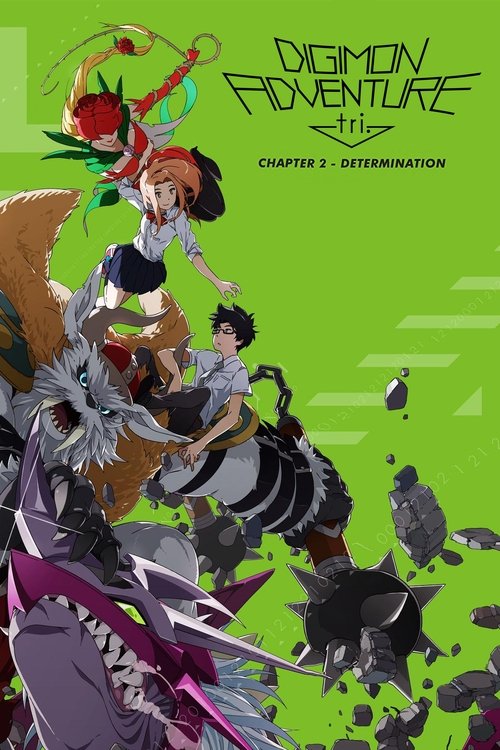
Digimon Adventure tri. Part 2: Determination
2016
No user ratings available yet
Representation score: 5.5 out of 10

Representation Score
Fair
2015
Not RatedDirector
Keitaro Motonaga
Runtime
97 minutes
Average Rating
No ratings yetNew Showbiz Analysis
Digimon Adventure tri. Part 1: Reunion moves away from simple moral binaries toward a more somber, deconstructive character study. It replaces childhood idealism with a mature, morally complex framework that explores the weight of responsibility. The film excels in giving female protagonists meaningful ability to act, moving beyond passive stereotypes to ensure they are central to the narrative's emotional and structural progression. This provides a more nuanced approach to gender than many traditional adventure series. However, the film remains limited in demographic breadth. It lacks explicit LGBTQ+ representation and maintains a homogeneous racial profile, reflecting a localized focus rather than a diverse or multi-layered cast.
Category Breakdown
The story centers on adolescent growth and interpersonal conflicts among the main characters. It does not include explicit representations of non-binary gender identities or same-sex relationships, sticking to a conventional focus on heterosexual relationships.
Female characters such as Sora, Mimi, and Hikari play key roles in driving the plot through substantial dialogue and emotional decision-making. They pass the Bechdel test by engaging in meaningful conversations during the crisis.
The film features a predominantly homogenous cast, reflecting its Japanese production and local setting. It does not employ diverse casting to challenge ethnic norms or represent multi-layered racial diversity.
The narrative critiques unbridled technological advancement and challenges the effectiveness of institutional authorities. It emphasizes decentralized, individual ability to act over traditional systemic control and stable social structures.
There is no prominent focus on physical or neurodivergent disabilities. Characters face psychological trauma and emotional burdens, but these are not specifically framed through the lens of disability representation.
Present on Screen
Limited or Absent
Official Synopsis
After years of inactivity, the DigiDestined regroup with their Digimon to save their world, but have the years changed their characters too much?
2016
2009

2018

2007

2017
2017

2016

2023
No reviews yet. Be the first to share your thoughts on this movie!
Use the rating form above to leave a star rating and optional review.