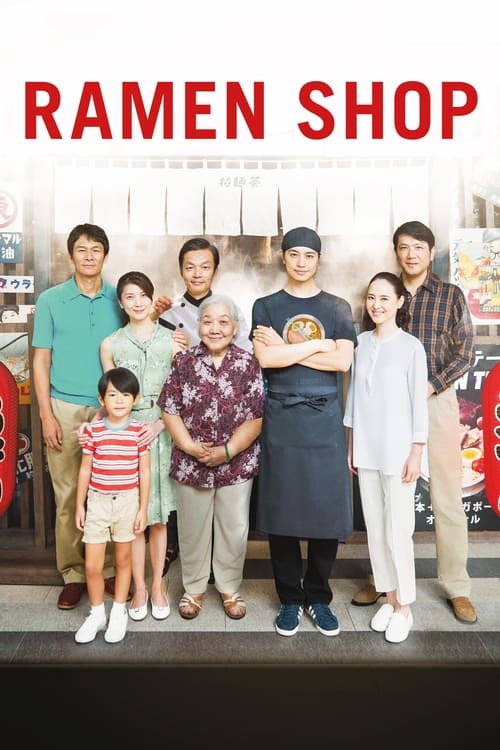
Ramen Shop
2018
No user ratings available yet
Representation score: 8.9 out of 10
Representation Score
Excellent
2017
Director
Mitsuhito Shiraha
Runtime
117 minutes
Average Rating
No ratings yetNew Showbiz Analysis
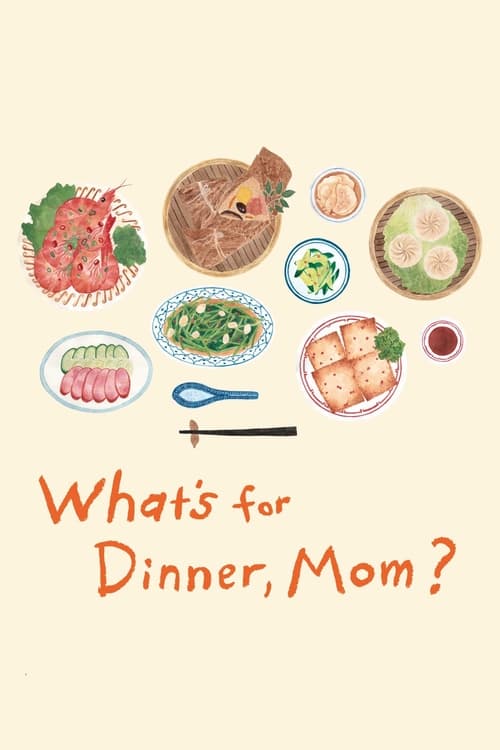
What's for Dinner, Mom? stands out as a transnational drama that goes beyond typical domestic stories. By focusing on the Japanese-Taiwanese diaspora, the film offers a nuanced view of how relocation and cross-cultural relationships shape identity. The narrative is driven by the emotional and intellectual labor of the sisters and their late mother, effectively challenging traditional patriarchal structures. While the film lacks explicit LGBTQ+ representation, it excels in its layered approach to ethnicity and chronic illness, presenting the mother's cancer as a realistic personal struggle rather than a sentimental cliché.
Category Breakdown
The film focuses on maternal lineage and sisterhood rather than LGBTQ+ identities. While it avoids traditional assumptions about straight relationships, it doesn't include explicit depictions of non-traditional gender identities.
The story challenges traditional gender roles by emphasizing the sisters' investigative work and their mother's emotional influence. Women's labor and emotional intelligence drive the plot.
The film explores the experiences of the Japanese-Taiwanese diaspora, offering depth through cross-cultural relationships and the complexities of a transnational life.
The movie highlights the impact of systemic displacement and the fragility of domestic structures. It emphasizes personal, lived experiences over nationalistic narratives, focusing on the mother's life through relocation and loss.
The mother's battle with cancer is a key part of the story. The film avoids sentimentality, focusing instead on the systemic and personal impacts of her illness.
Present on Screen
Limited or Absent
Official Synopsis
Two sisters Tae and Yo come back to their old house which is soon to be torn down. Clearing up the family mementos, Tae finds a red box full of recipes and letters written by their mother who died 20 years ago. In these recipes and letters, she finds out how her mother had struggled in her life due to relocation from Japan to Taiwan, the death of her Taiwanese husband, and a battle with cancer. Tae travels to Taiwan to trace her mother's past, reminiscing about the dishes she made for the family.
2018

2015

2020
2014

2018
2023
2013

1997
No reviews yet. Be the first to share your thoughts on this movie!
Use the rating form above to leave a star rating and optional review.