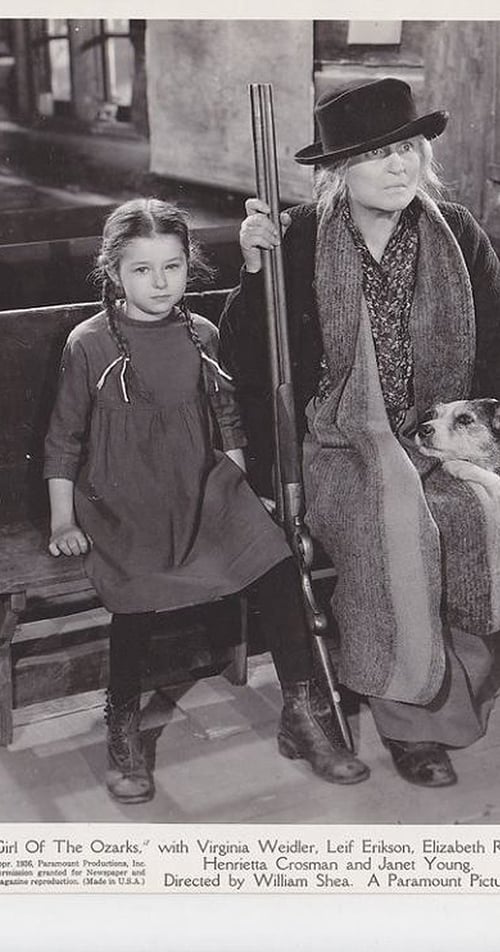
Girl of the Ozarks
1936
No user ratings available yet
Diversity score: 2.6 out of 10
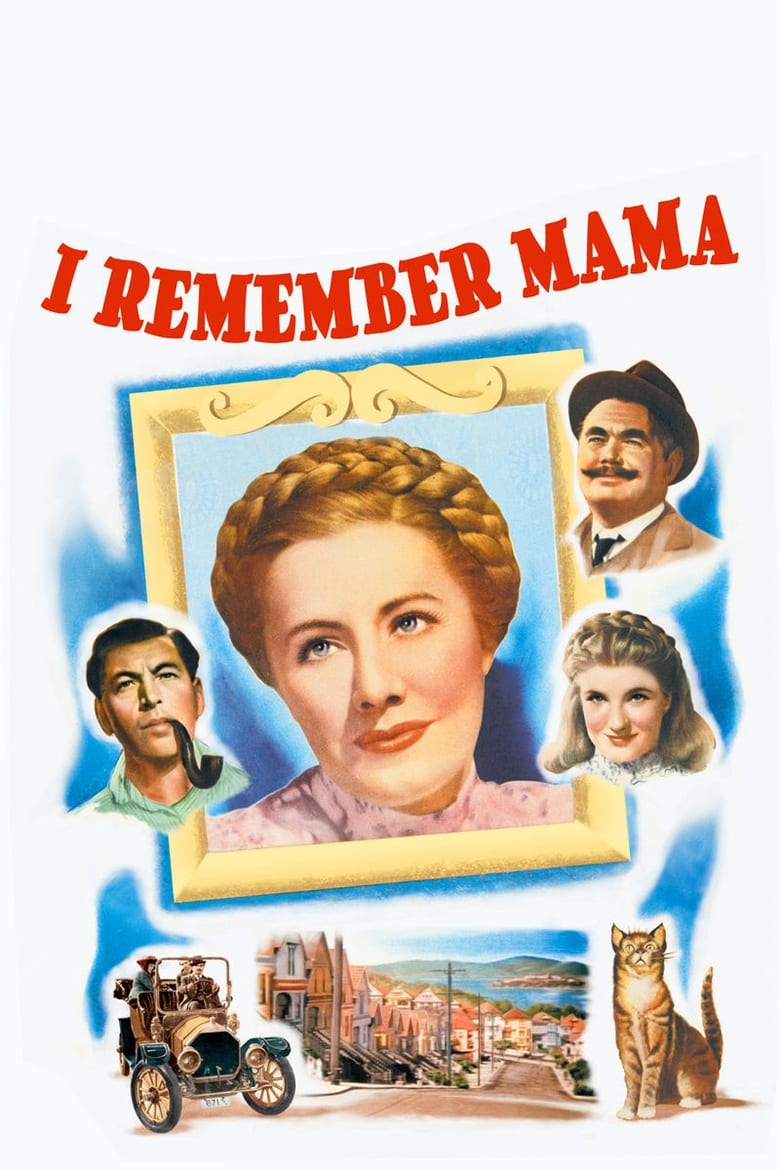
1948
ApprovedDirector
George Stevens
Runtime
134 minutes
Average Rating
No ratings yetSynopsis
Norwegian immigrant Marta Hanson keeps a firm but loving hand on her household of four children, a devoted husband and a highly-educated lodger who reads great literature to the family every evening. Through financial crises, illnesses and the small triumphs of everyday life, Marta maintains her optimism and sense of humor, traits she passes on to her aspiring-author daughter, Katrin.
Overall Score
Limited
Category Breakdown
LGBTQ+ Representation
The film contains no visible presence of non-heteronormative identities or queer subtext. Character dynamics are strictly defined by traditional familial and gendered roles.
Gender Representation
Marta Hanson serves as the primary emotional and strategic anchor of the household. While she displays significant intellect and resilience, her agency is used to reinforce traditional maternal virtues and domestic stability.
Racial & Ethnic Diversity
The cast is ethnically homogeneous, focusing on a singular Norwegian immigrant experience. While historically grounded, the film lacks intersectional casting or diverse ethnic blending.
Religious & Cultural Diversity
The narrative reinforces traditional Western values, emphasizing the sanctity of the nuclear family and individual perseverance. It offers little room for the deconstruction of established social norms.
Disability Representation
There is no meaningful portrayal of neurodivergence or physical disability. Any depictions of illness serve primarily as plot catalysts to demonstrate the family's resilience.
Strengths
Areas for Improvement
AI Analysis
I Remember Mama offers a nuanced look at female agency through its matriarchal lead, Marta Hanson. She is depicted as a resilient strategist rather than a passive domestic figure, driving her family through economic hardship. However, the film remains deeply rooted in mid-20th-century traditionalism. It prioritizes the preservation of the nuclear family and conventional moral hierarchies, which limits its broader social commentary. The production is ethnically homogeneous and lacks representation of LGBTQ+ identities or disabilities, reflecting the specific, narrow immigrant experience it seeks to portray.
1936

1975

1981
1949

1984
2008

2013

1999
1961
1968
1939
1986
No reviews yet. Be the first to share your thoughts on this movie!
Use the rating form above to leave a star rating and optional review.