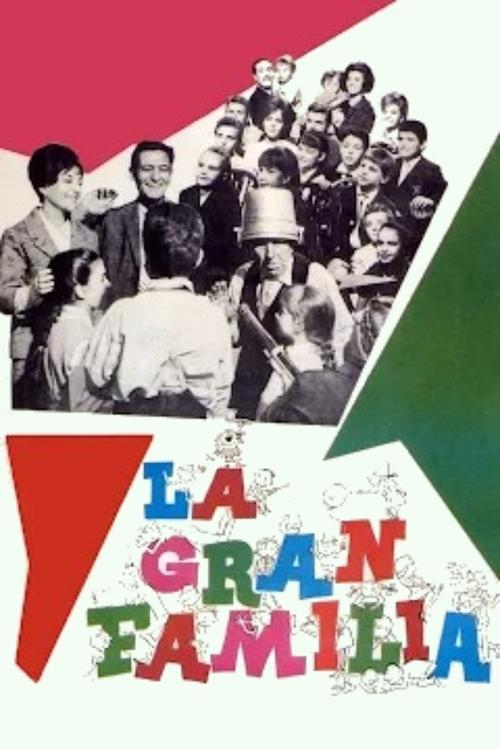
The Big Family
1962
No user ratings available yet
Representation score: 2.1 out of 10
Representation Score
Limited
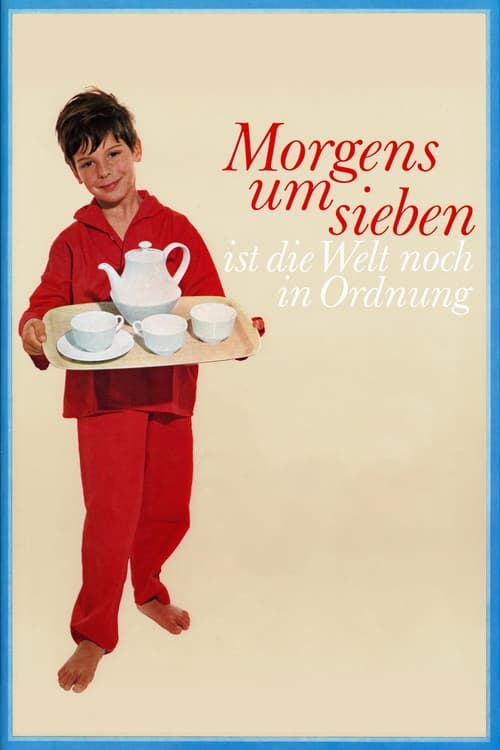
1968
Director
Kurt Hoffmann
Runtime
96 minutes
Average Rating
No ratings yetNew Showbiz Analysis
Kurt Hoffmann’s film captures the social norms of mid-1960s West Germany, emphasizing middle-class stability and traditional family dynamics. The narrative avoids any systemic critique or broadening of demographic representation. Instead, it reinforces established social hierarchies without challenging them.
Category Breakdown
The film does not include any LGBTQ+ characters or narratives, sticking closely to the heterosexual norms of 1968 West German society.
The story upholds traditional gender roles and household structures typical of the late 1960s. Women play minor roles and do not challenge the era's social norms.
The cast is predominantly white, reflecting the demographics of the time. There are no non-white characters in significant roles.
The film highlights Western values of family and community. It operates within a conservative framework that avoids questioning existing institutions or moral codes.
The film does not feature characters with visible or invisible disabilities. The quirky family portrayed does not include neurodivergent or physically disabled individuals.
Present on Screen
Limited or Absent
Official Synopsis
A quirky family lives their simple but joyful life which centers around the youngest family member, a little boy.
1962
1958
1977
1961

1965

1959
1939
1979
No reviews yet. Be the first to share your thoughts on this movie!
Use the rating form above to leave a star rating and optional review.