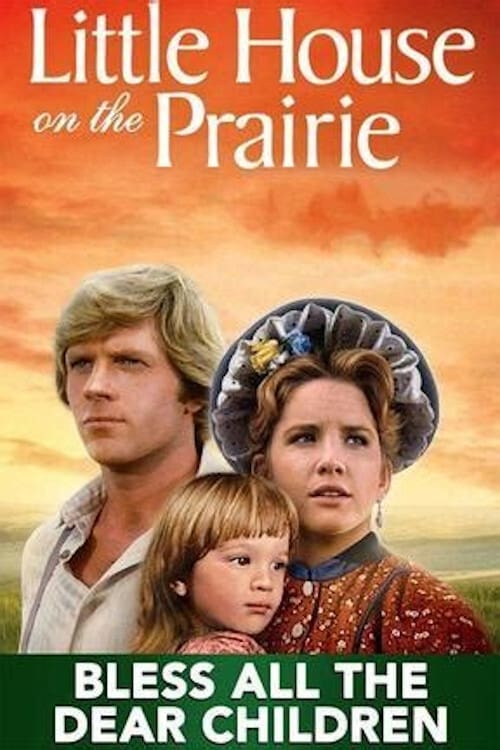
Little House: Bless All the Dear Children
1983
No user ratings available yet
Representation score: 1.4 out of 10
Representation Score
Minimal
1936
ApprovedDirector
William Shea
Runtime
68 minutes
Average Rating
No ratings yetNew Showbiz Analysis
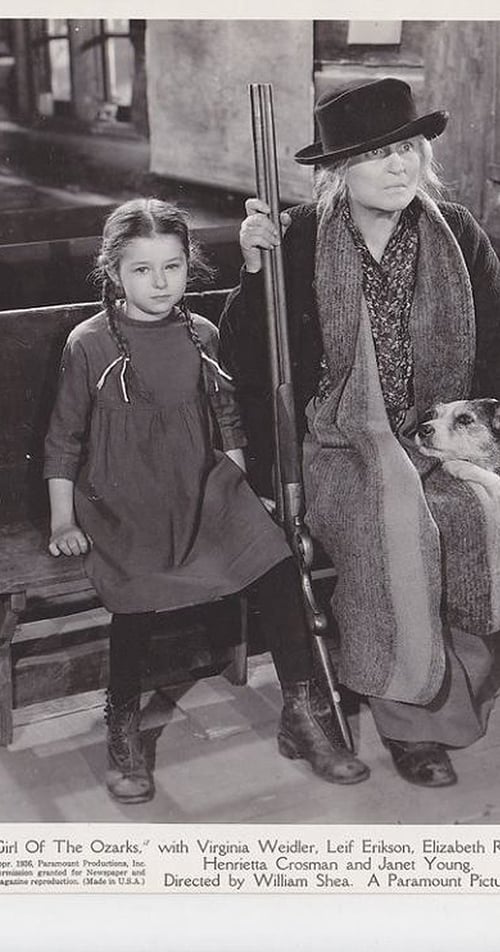
Girl of the Ozarks is a traditional period drama that reflects the strict social and cinematic norms of the mid-1930s. The story relies on established clichés of domestic hardship, particularly focusing on maternal illness and the threat of institutionalization. The film operates within a traditional framework, offering little in the way of complex representation of multiple identities. It lacks intentional challenges to social hierarchies, instead presenting a narrative that aligns with the era's standard cultural and gendered expectations. Ultimately, the film prioritizes traditional family values over any progressive deconstruction of social norms.
Category Breakdown
The film does not include any characters with non-binary or transgender identities. It follows the traditional assumptions that everyone is straight and cisgender, which was common in films made during the 1930s.
The story centers around a female protagonist, but her role is limited by her domestic struggles. The narrative follows traditional gender stereotypes rather than challenging the usual power dynamics between genders.
The Ozarks setting suggests a racially uniform environment. There is no evidence of a diverse cast or characters used to challenge the social norms of the time.
The plot emphasizes traditional Western values focused on maintaining family stability and social cohesion. It highlights the importance of preserving the family unit against institutional threats.
A mother's illness serves as a plot device, but there is no meaningful exploration of disability. The character's condition is not developed further in the narrative.
Present on Screen
Limited or Absent
Official Synopsis
A sweet little country girl has issues with school. Her mother is ill. The school threatens to send her to an orphanage.
1983
1937
1939
1946

1980
1939

2013

2006
No reviews yet. Be the first to share your thoughts on this movie!
Use the rating form above to leave a star rating and optional review.