Après moi le bonheur
2016
No user ratings available yet
Diversity score: 2.7 out of 10
1986
UnratedDirector
Paul Schneider
Runtime
94 minutes
Average Rating
No ratings yetSynopsis
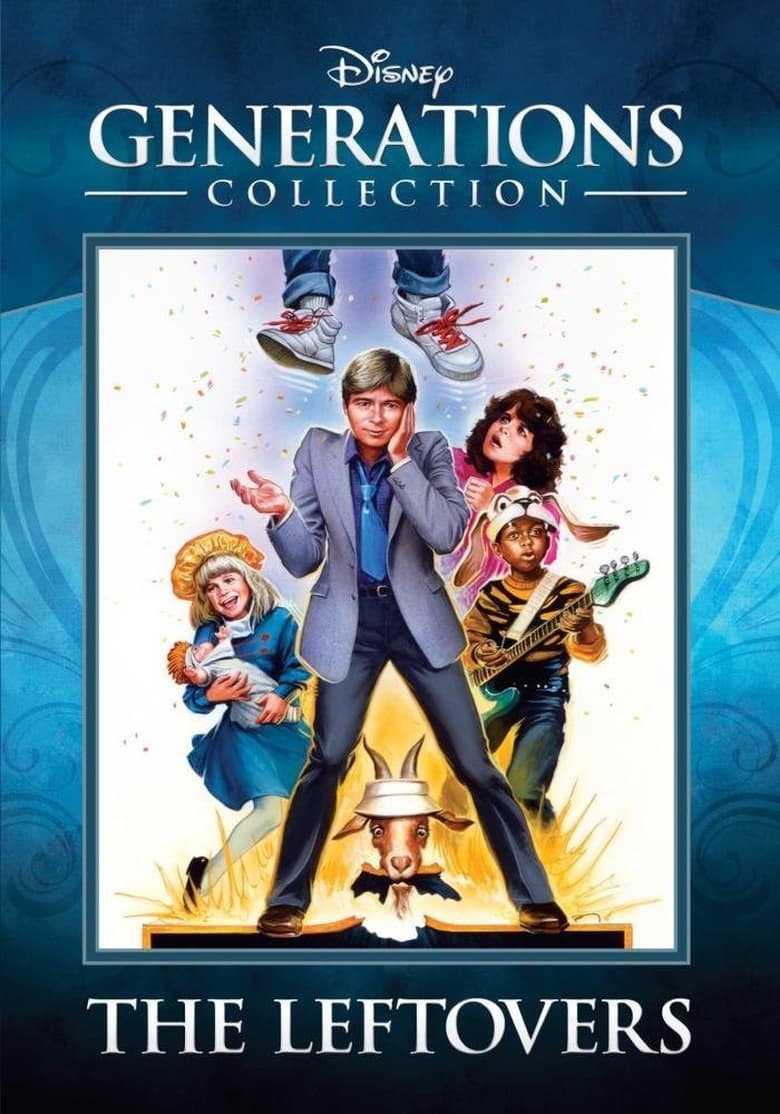
A close-knit group of orphans and their father-figure, Max, try to keep their home from being shut down. Helping them out are a single mom and the elderly butler from Max's aunt's mansion, where Max grew up.
Overall Score
Limited
Category Breakdown
LGBTQ+ Representation
The film lacks explicit LGBTQ+ characters or narratives addressing non-cisnormative identities. The focus on a father-figure and orphans suggests a reliance on traditional kinship structures.
Gender Representation
While the inclusion of a single mother offers a departure from the nuclear two-parent household, the roles align with conventional 1980s dramatic archetypes. There is no evidence of subverting gender hierarchies.
Racial & Ethnic Diversity
The narrative appears to center on a homogeneous social unit. There is no evidence of a non-white or non-Anglo-Saxon majority cast or intentional racial blending.
Religious & Cultural Diversity
The story explores themes of domestic stability and communal resilience through a Western lens. It focuses on preserving the home rather than challenging Western institutions or moral relativism.
Disability Representation
The synopsis and cast list provide no information regarding characters with visible or invisible disabilities. No assessment of representation in this category can be made.
Strengths
Areas for Improvement
AI Analysis
The Leftovers (1986) functions as a traditional mid-80s television drama centered on familial preservation. The narrative relies on established archetypes, such as the father-figure and the single mother, to drive its plot of domestic stability. Representation is largely functional rather than transformative. The film lacks intersectional complexity, focusing instead on a homogeneous social unit and conventional Western values regarding community and home.
No reviews yet. Be the first to share your thoughts on this movie!
Use the rating form above to leave a star rating and optional review.