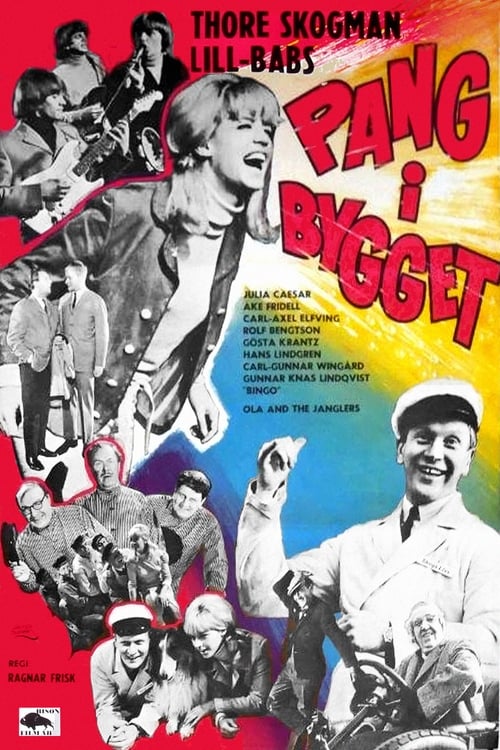
Pang i bygget
1965
No user ratings available yet
Representation score: 1.4 out of 10
Representation Score
Minimal
1948
ApprovedDirector
Will Jason
Runtime
65 minutes
Average Rating
No ratings yetNew Showbiz Analysis
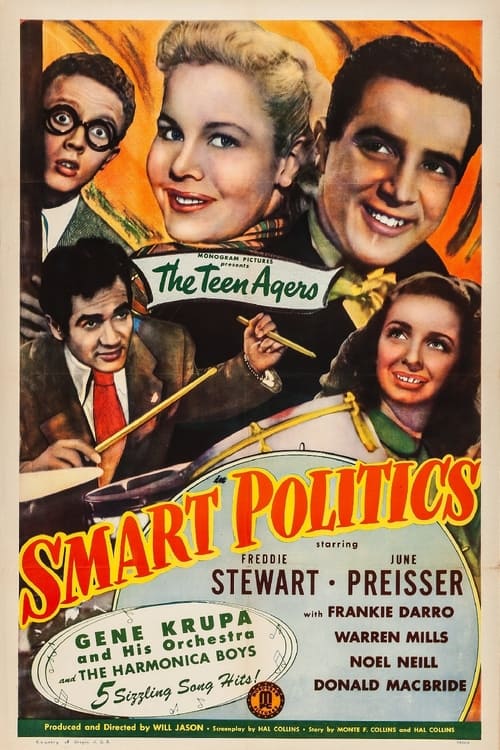
Smart Politics operates as a typical mid-century social comedy. The plot centers on a local conflict between youthful idealism and a self-serving political figure, Mayor Phineas Wharton Sr. While the 'Teen-Agers' function as a collective interest group, the film adheres to the traditional genre structures of the late 1940s. The production lacks complexity in addressing multiple aspects of identity or intentional narrative disruptions. It aligns with the cinematic norms of the era, emphasizing community development and moral conflict over diverse social representation. Ultimately, the film stands as a conventional piece of musical comedy that prioritizes civic themes over diverse social representation.
Category Breakdown
The film does not include any depictions of LGBTQ+ identities or same-sex relationships. The story revolves around a group of young people following typical romantic storylines of the time.
The film features female characters such as Dodie and Betty who are part of the main youth group. However, the plot primarily focuses on a conflict between youth and male political figures.
The setting and character names suggest a homogeneous society. There is no indication of ethnic diversity or varied casting within the central conflict.
The story delves into civic morality and the tension between personal greed and communal well-being. It emphasizes the preservation of local institutions rather than challenging them.
There are no characters with visible or invisible disabilities in the narrative. The focus remains on the civic struggle and issues related to juvenile crime.
Present on Screen
Limited or Absent
Official Synopsis
The growth of small-town juvenile crime starts a movement for the construction of a youth center. The project leaders discuss with town mayor Phineas Wharton Sr. about buying an old warehouse and rebuilding it as the Center. However, Wharton has plans to buy it himself for another project from which he would profit. But the Teen-Agers--Freddie, Dodie, Betty, Lee and Roy--now attending San Juan Junior College, think otherwise.
1965
1958
1942

1939
1956
1946
1942
1947
No reviews yet. Be the first to share your thoughts on this movie!
Use the rating form above to leave a star rating and optional review.