
The Illuminati
2005
No user ratings available yet
Diversity score: 4.9 out of 10
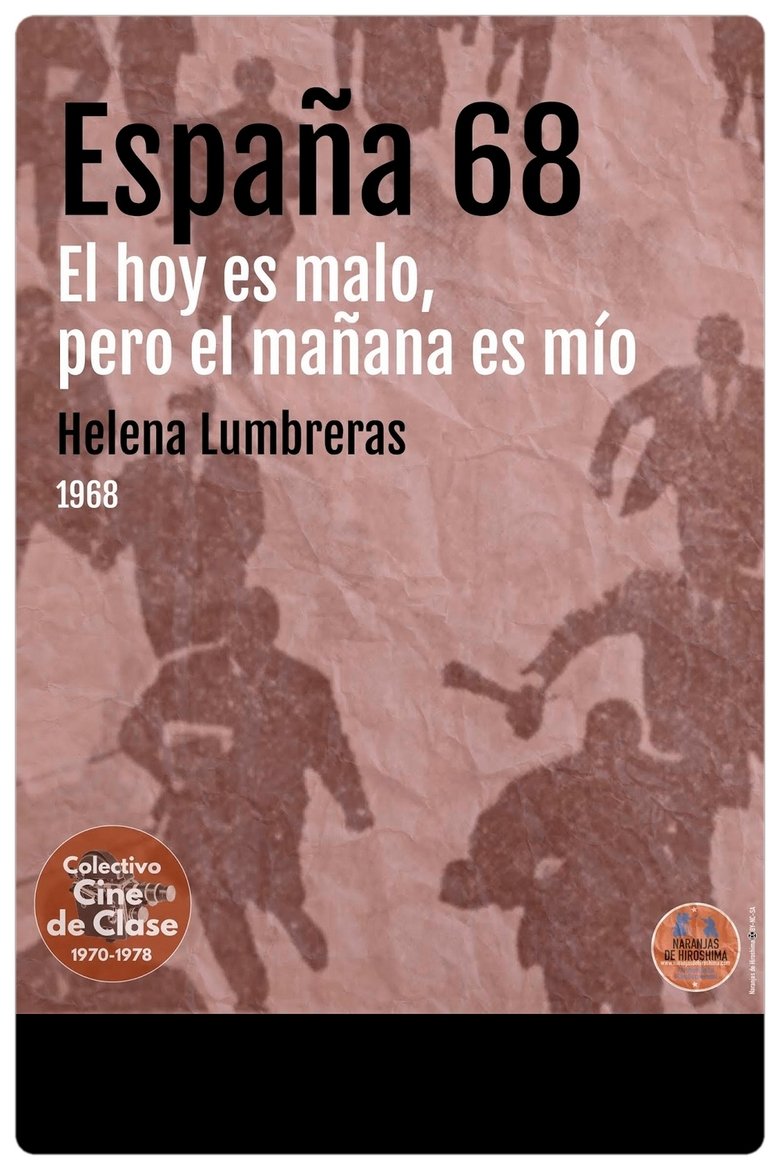
1968
Director
Helena Lumbreras
Runtime
31 minutes
Average Rating
No ratings yetSynopsis
Spain, 1968. An analysis of the political and social situation of the country, suffocated by the boot of General Franco's tyrannical regime. (Filmed clandestinely in Madrid and Barcelona during the spring of 1968.)
Overall Score
Fair
Category Breakdown
LGBTQ+ Representation
Explicit visibility of LGBTQ+ identities is likely absent due to the intense censorship of the Franco regime. The film focuses on broader political struggles rather than specific queer identities.
Gender Representation
The documentary captures women operating within grassroots political movements and resistance. This presence disrupts the traditional patriarchal hierarchies prevalent during the era.
Racial & Ethnic Diversity
The visual focus remains primarily on the domestic Spanish population in Madrid and Barcelona. It does not prioritize intersectional racial or ethnic diversity within this specific urban context.
Religious & Cultural Diversity
The film critiques the religious-nationalist framework of the Franco era. It engages deeply with anti-establishment themes and the deconstruction of centralized state power.
Disability Representation
There is no evidence regarding the portrayal of individuals with physical or neurodivergent disabilities.
Strengths
Areas for Improvement
AI Analysis
Spain '68 serves as a vital piece of political documentation, capturing the friction of a society suffocated by tyranny. Its value lies in its role as a historical counter-narrative that challenges the monolithic, state-sanctioned history of the Franco regime. While the film lacks the intersectional breadth expected in modern media, it succeeds in documenting the lived experiences of those resisting oppression. The narrative architecture centers on social transformation and the struggle for a liberated future. Ultimately, the work is defined by its subversive intent. It prioritizes the documentation of systemic political struggle over demographic variety, providing a raw look at the resistance movements in Madrid and Barcelona.
2005

2004
1967
2005

1967

2017
2024

1963

2018

2024
2015

2021
No reviews yet. Be the first to share your thoughts on this movie!
Use the rating form above to leave a star rating and optional review.