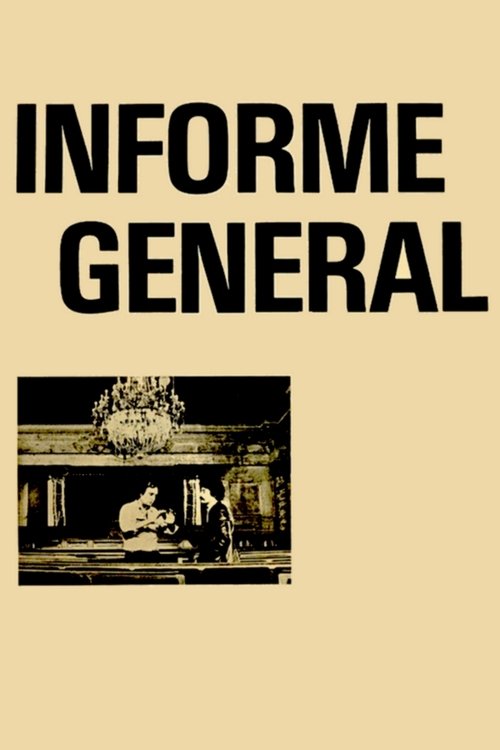
General Report
1977
No user ratings available yet
Diversity score: 5.8 out of 10

1972
Director
Jacinto Esteva
Runtime
100 minutes
Average Rating
No ratings yetSynopsis
An unprejudiced portrait of Spanish folklore and a crude analysis in black and white of its intimate relationship with atavism and superstition, with violence and pain, with blood and death; a story of terror, a journey to the most sinister and ancestral Spain; the one that lived far from the most visited tourist destinations, from the economic miracle and unstoppable progress, relentlessly promoted by the Franco regime during the sixties.
Overall Score
Fair
Category Breakdown
LGBTQ+ Representation
The film lacks explicit evidence of LGBTQ+ identities or non-cisnormative expressions. Its focus on atavism and superstition suggests a preoccupation with rigid, traditional social structures.
Gender Representation
Themes of violence and death appear historically coded as masculine. There is little evidence regarding female agency or the subversion of domestic roles within this rural landscape.
Racial & Ethnic Diversity
The documentary provides a voice to socio-economically displaced rural populations. It challenges the homogenized national identity promoted by the state through a more fractured view of the populace.
Religious & Cultural Diversity
The film excels by disrupting idealized, patriotic imagery through a lens of terror and superstition. It prioritizes a gritty, subjective morality over state-sanctioned Christian narratives.
Disability Representation
There is no specific information available regarding the portrayal of individuals with physical or mental disabilities.
Strengths
Areas for Improvement
AI Analysis
Jacinto Esteva’s documentary serves as a powerful counter-narrative to the sanitized, progressive image promoted by the Franco regime. By documenting the sinister and ancestral aspects of Spain, the film deconstructs national myths and state-sponsored narratives of unity. While the work lacks modern identity markers like explicit LGBTQ+ or disability representation, its strength lies in its systemic critique. It uses a gritty, black-and-white aesthetic to expose the violence and superstition hidden beneath the surface of the era's economic miracle. Ultimately, the film functions as an anti-establishment tool. It replaces a superficial veneer of progress with a complex, often dark, reality that challenges the dominant cultural hegemony of 1970s Spain.
1977
2019
2009
2006
1937

2007

1939

1966

2011

1980

1972

2019
No reviews yet. Be the first to share your thoughts on this movie!
Use the rating form above to leave a star rating and optional review.