
Spain
1939
No user ratings available yet
Representation score: 5.5 out of 10

Representation Score
Fair
1937
Director
Jean-Paul Le Chanois
Runtime
35 minutes
Average Rating
No ratings yetNew Showbiz Analysis
España 1936 serves as a revolutionary piece of historical documentation that challenges mid-century cinematic norms. Its strength lies in its structural critique of established power structures, religious authority, and traditional socio-economic hierarchies. While the film excels at portraying systemic struggle and the subversion of institutionalized ideals, it lacks specific visibility for certain identities. The focus is primarily on the collective movement rather than individual underrepresented groups. Ultimately, the work's progressive stance is driven by its cultural positioning and its alignment with the anti-authoritarian movements of the era.
Category Breakdown
The documentary focuses on larger societal and political issues rather than individual LGBTQ+ identities. There is no direct mention of non-straight relationships or gender identities.
The film captures women moving beyond traditional roles into positions of political and physical leadership within revolutionary and paramilitary contexts.
The film reflects the demographic reality of Spain during the civil war, focusing on national identity and class struggle rather than global racial diversity.
The narrative critiques traditional Western institutions and religious influence, presenting the conflict as a struggle between systemic oppression and collective, anti-authoritarian resistance.
There is insufficient information to assess how disability is portrayed in the film. The documentary format does not provide specific details about individual character arcs or subjects with disabilities.
Present on Screen
Limited or Absent
Official Synopsis
A Spanish documentary from Jean-Paul Le Chanois & Luis Buñuel made during the Spanish Civil War.
1939

1935
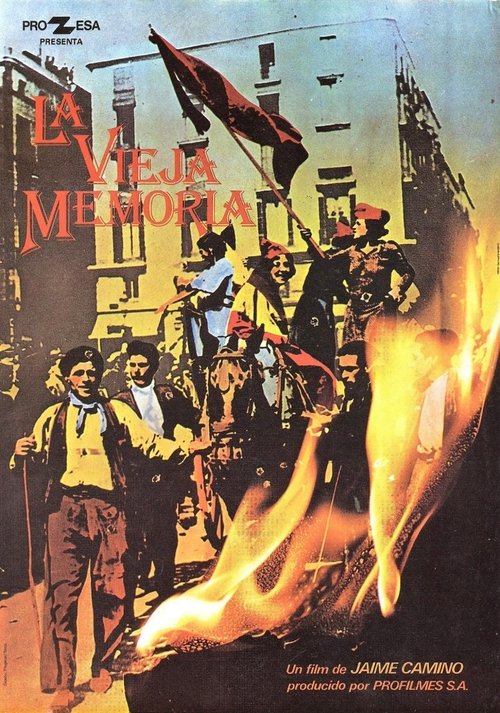
1979
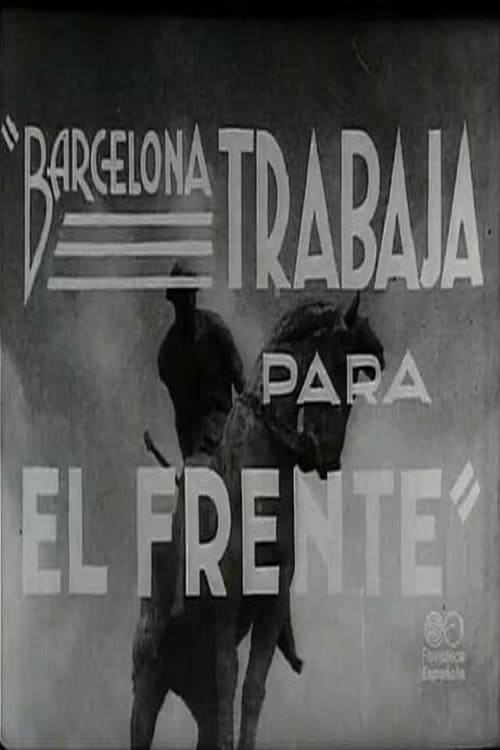
1936
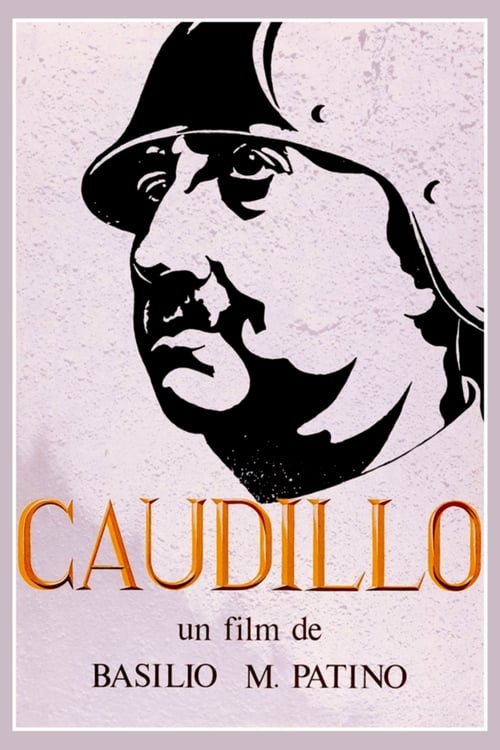
1977
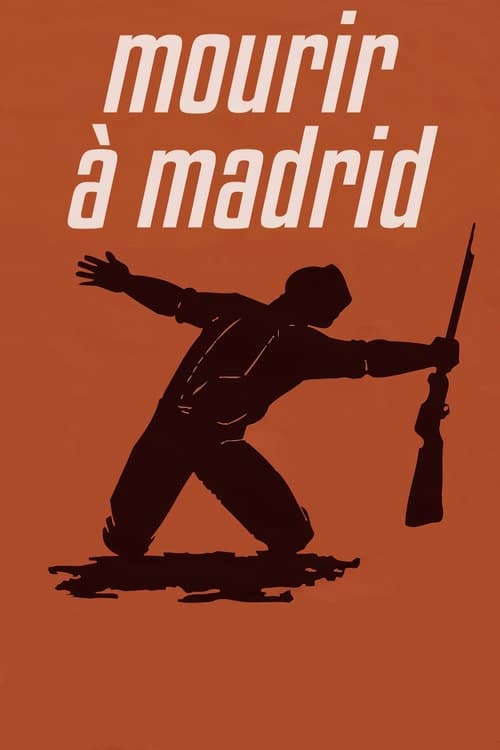
1963
1937

2006
No reviews yet. Be the first to share your thoughts on this movie!
Use the rating form above to leave a star rating and optional review.