
The Age of Assassins
1967
No user ratings available yet
Representation score: 4.0 out of 10
Representation Score
Fair
1958
Director
Masahiro Makino
Runtime
86 minutes
Average Rating
No ratings yetNew Showbiz Analysis
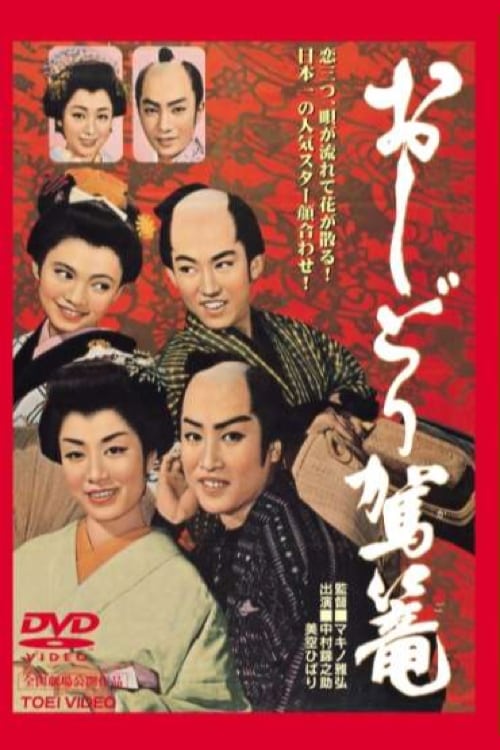
Masahiro Makino’s film is a genre-driven piece that finds its most progressive elements in its subversion of gendered expectations. By giving Kocho martial skills, the film moves beyond the standard damsel-in-distress archetype found in many period romances. However, the film remains largely traditional in its social and romantic structures. It adheres to the cultural homogeneity of 1958 Japanese cinema, focusing on class dynamics and restorative justice rather than diverse identities. Ultimately, the work serves as a study of social friction, balancing the requirements of the jidaigeki genre with moments of character-driven empowerment.
Category Breakdown
The story focuses on a traditional romantic relationship between Genjiro and Kocho. There is no indication of queer subtext or non-cisgender identities within the narrative.
Kocho breaks typical period clichés by being a skilled archer rather than a passive figure. Her combat capability provides a more balanced distribution of power between the leads.
The film features a culturally homogeneous cast typical of Edo-period settings. It focuses on internal social stratification between nobility and commoners rather than ethnic diversity.
The plot explores the tension between aristocratic duty and individual autonomy. Genjiro's choice to live as a commoner suggests a critique of rigid class structures.
The film provides no information or characterizations regarding physical or neurodivergent disabilities.
Present on Screen
Limited or Absent
Official Synopsis
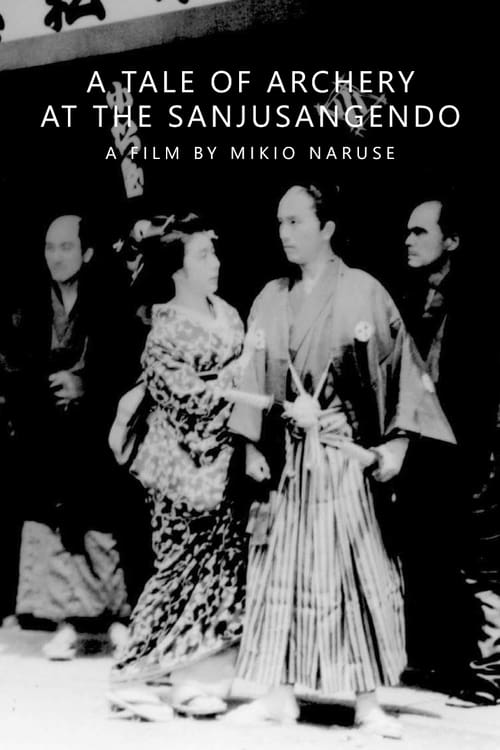
Young Lord Genjiro, who abandoned his castle to live as a commoner in Edo, returns home to restore peace amidst disruption over an inheritance dispute. Warned by a fortune-teller that he would die by the sword, the young lord must courageously battle 30 or 40 men who attack without warning. Meanwhile, his love affair with Kocho, a singer who is also a skilled archer.
1967
1962
1969
1955
1965
1964
1945

1963
No reviews yet. Be the first to share your thoughts on this movie!
Use the rating form above to leave a star rating and optional review.