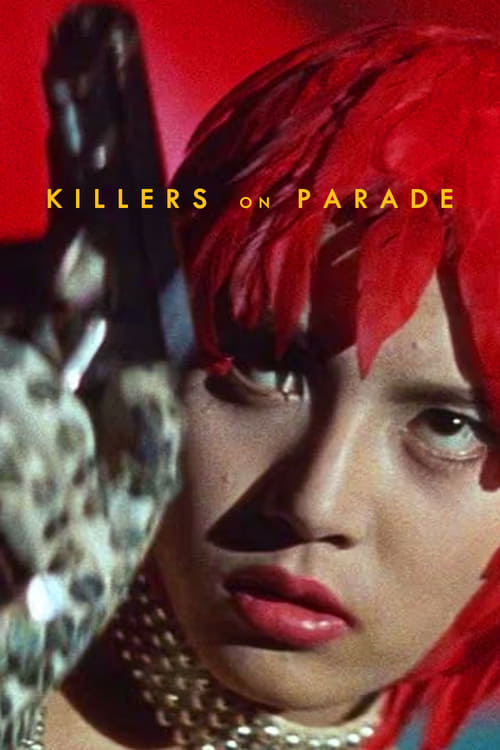
Killers on Parade
1961
No user ratings available yet
Representation score: 4.4 out of 10

Representation Score
Fair
1967
Director
Kihachi Okamoto
Runtime
99 minutes
Average Rating
No ratings yetNew Showbiz Analysis
The film excels in its thematic deconstruction of political institutions and systemic corruption. It offers a sophisticated look at moral relativism and the collapse of traditional authority during the Bakumatsu era. However, these strengths are offset by a lack of diversity in character identity. The narrative relies on traditional gender roles and an ethnically homogeneous cast, limiting the scope of its social commentary. Additionally, the treatment of neurodivergent characters is primarily utilitarian, serving the antagonists' tactical needs rather than offering meaningful representation.
Category Breakdown
The film does not include any LGBTQ+ characters or non-straight relationships, sticking to traditional period norms without challenging heteronormativity.
The film maintains traditional gender dynamics centered around male combatants. Female characters play supporting roles that do not disrupt patriarchal structures.
The cast is ethnically uniform, reflecting the 19th-century Japanese setting. The story focuses on internal class conflicts without incorporating diverse ethnic representation.
The film effectively portrays the breakdown of institutional authority during the Bakumatsu era. It critiques systemic corruption and the disruption of established power structures using political vigilantism.
Characters from a mental asylum are used as tools for an assassination squad. This approach treats disability as a plot device rather than providing nuanced, individual roles.
Present on Screen
Limited or Absent
Official Synopsis
A nerdy young college instructor named Shinji Kikyo returns home one day to find himself the target of a mad assassin. Surviving somewhat miraculously, he fends off other assassins and with the help of reporter Keiko Tsurumaki and car mechanic Bill Otomo, eventually discovering that a "population control" association is really an assassination squad led by Shogo Mizorogi, who has been training patients of a mental asylum to become killers.
1961

1967
2015

1974
1964
2002
1958
1965
No reviews yet. Be the first to share your thoughts on this movie!
Use the rating form above to leave a star rating and optional review.