
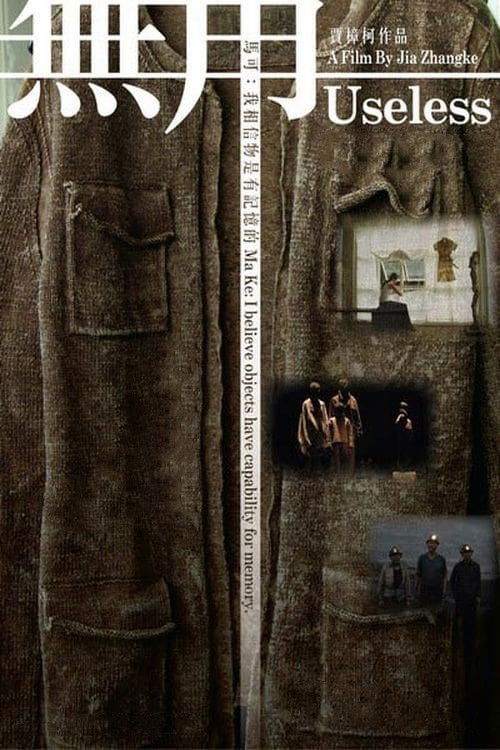
Youth (Spring)
2023
No user ratings available yet
Representation score: 6.2 out of 10
Representation Score
Good
2008
Director
Jia Zhangke
Runtime
84 minutes
Average Rating
No ratings yetNew Showbiz Analysis
Jia Zhangke’s documentary offers a nuanced examination of the impact of global capitalism on local traditions. By contrasting the dehumanizing nature of mass production with the personalized craftsmanship of artisans, the film highlights the struggle of individuals against systemic forces. However, the film's scope is limited in addressing specific identity politics, particularly around LGBTQ+ identities and disability.
Category Breakdown
The film does not include any confirmed LGBTQ+ characters or narratives. While it explores identity through labor and class, there is no direct depiction of queer identities.
The documentary focuses on the female-dominated garment industry and the experiences of production line workers. It is unclear whether the film challenges traditional gender roles or merely documents industrial labor.
The film highlights the Chinese working class and local artisans, providing detailed insight into ethnic diversity. It challenges Western-centric media by emphasizing internal Chinese socio-economic changes.
The narrative contrasts modern consumerism with traditional craftsmanship, highlighting how global economic structures can make local practices obsolete. It questions the impact of globalization on traditional workers and institutions.
There is no specific depiction of physical or neurodivergent disabilities in the film.
Present on Screen
Limited or Absent
Official Synopsis
Observations of three varied corners of China’s garment industry: workers in a large-scale production line factory; a designer who rallies against the mass-machine-production of clothes and has created the eponymous hand-made collection called ‘Useless’ (Wuyong) for Paris Fashion Week; and finally the simple life of increasingly out-of-work tailors in small town Fengdang.
2023

2015
2006
2000
2004
2013
2001

2015
No reviews yet. Be the first to share your thoughts on this movie!
Use the rating form above to leave a star rating and optional review.