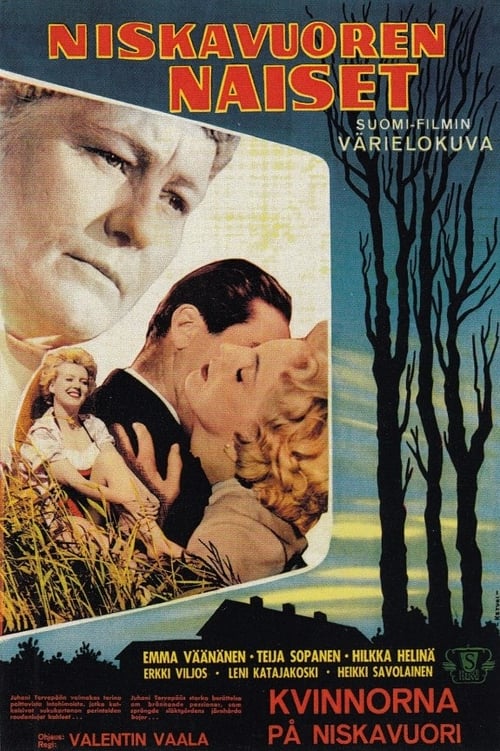
Niskavuoren naiset
1958
No user ratings available yet
Representation score: 1.8 out of 10
Representation Score
Limited
1946
Director
Valentin Vaala
Runtime
88 minutes
Average Rating
No ratings yetNew Showbiz Analysis
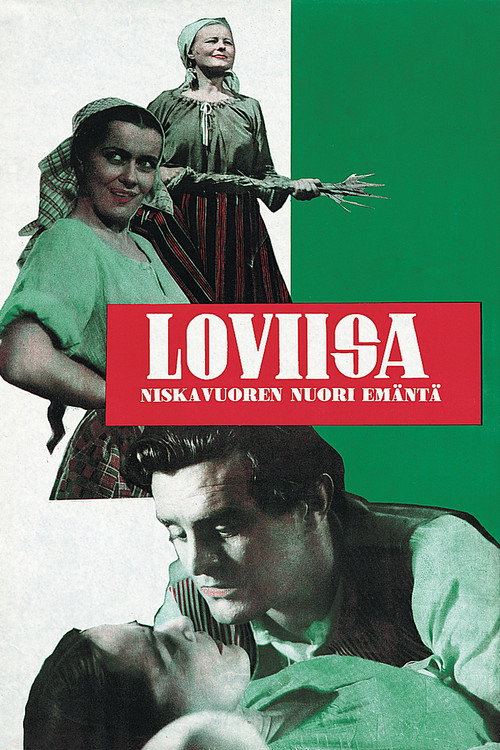
Loviisa – Niskavuoren nuori emäntä is a period drama that finds its strength in its subversion of gender roles. While the film is limited by the demographic and social norms of 1946 Finland, it provides a progressive look at women's ability to drive the story. The film excels by positioning women as the competent managers of economic and domestic spheres. This shift in power dynamics offers a nuanced view of responsibility that challenges the era's expectations of female passivity. However, the work remains culturally and demographically narrow. It lacks racial diversity and LGBTQ+ representation, reflecting the homogeneous social landscape of its historical setting.
Category Breakdown
The film adheres to the assumption that everyone is straight and cisgender, with no evidence of non-straight relationships or non-cisgender identities. The film lacks LGBTQ+ representation.
The narrative disrupts traditional gender roles by centering on women managing property and estates. Loviisa serves as the primary driver of stability, showcasing significant intellectual and managerial strength.
Casting is homogeneous, reflecting the demographic realities of 1946 Finnish agrarian life. The film lacks intentional racial blending or non-white representation.
The story is deeply rooted in traditional Western agrarian values like land ownership and family legacy. It functions within a traditional social order without critiquing these institutions.
There is no documented evidence regarding the portrayal of physical or neurodivergent disabilities in this work.
Present on Screen
Limited or Absent
Official Synopsis
Strong women take care of the property while the men focus on chasing women.
1958
1946
1939

1953
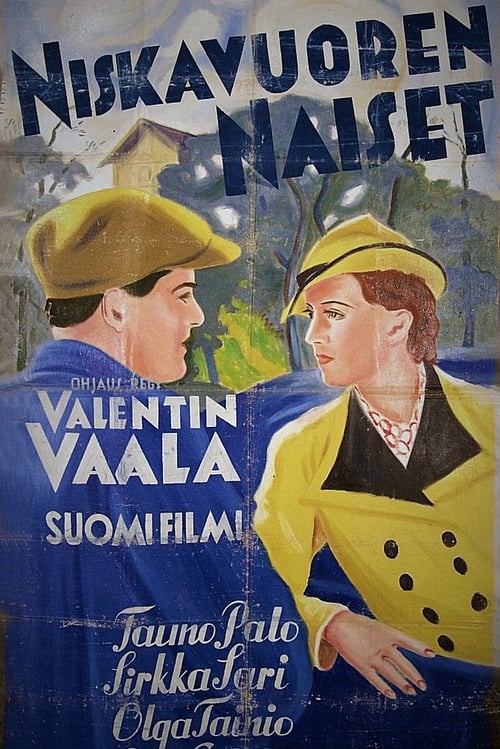
1938
1931

1929

1953
No reviews yet. Be the first to share your thoughts on this movie!
Use the rating form above to leave a star rating and optional review.