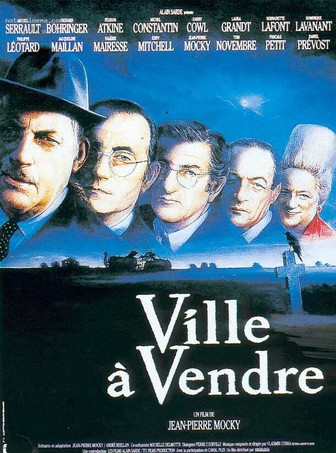
Ville à vendre
1992
No user ratings available yet
Representation score: 4.3 out of 10
Representation Score
Minimal
1939
Director
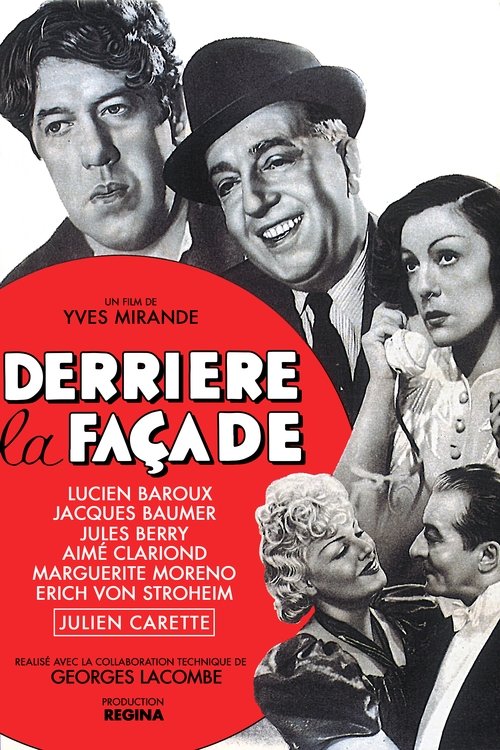
Georges Lacombe, Yves Mirande
Runtime
90 minutes
Average Rating
No ratings yetNew Showbiz Analysis
Behind the Facade is a period-specific genre piece that prioritizes traditional storytelling and established social hierarchies. The narrative structure centers on a male-driven police procedural, leaving female characters as subjects of investigation rather than active participants. The film reflects the demographic homogeneity of 1939 French cinema. It focuses on the social distinctions between the wealthy and the less fortunate within a Parisian apartment complex, reinforcing the status quo through the lens of a mystery. Ultimately, the work functions as a conventional comedy-mystery. It lacks the intentionality to disrupt the social or demographic norms of its time, focusing instead on uncovering secrets to maintain social respectability.
Category Breakdown
The film adheres to the social norms of 1930s France and does not depict any non-traditional gender identities or narratives that question the assumption that everyone is straight.
The story revolves around a professional rivalry between two male figures. Although a woman's death sets off the mystery, the investigation is handled by the male protagonists.
Set in a specific area of Paris, the film reflects the demographic norms of its time. There is no indication of significant ethnic diversity among the characters.
The narrative highlights social class distinctions and upholds traditional societal structures. It reinforces the authority of established institutions without challenging them.
There is no specific mention of characters with visible or invisible disabilities. Their roles in the story are not addressed.
Present on Screen
Limited or Absent
Official Synopsis
In the elevator of two large Parisian buildings, a telegraph operator discovers the body of an elderly woman, Madame Mathieu, the owner of both buildings. Boucheron, the local superintendent, is dispatched to investigate, along with his rival, Inspector Lambert of the "Sûreté". To solve the enigma, they scour staircases and corridors, visiting every floor of both buildings, courtyard and facade. Their gruff rivalry allows them to complement each other in discovering who committed the crime among a gallery of characters, humble or rich, who all have something to be ashamed of... A rare, fast-paced, picturesque comedy set against the backdrop of a police mystery.
1992
1942
1976
1941
1942
1947
1957
1948
No reviews yet. Be the first to share your thoughts on this movie!
Use the rating form above to leave a star rating and optional review.