The Toilets Were Closed from the Inside
1976
No user ratings available yet
Representation score: 5.3 out of 10
Representation Score
Fair
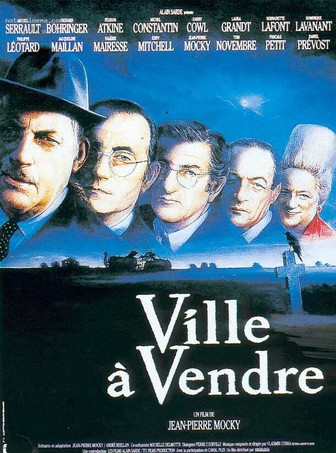
1992
Director
Jean-Pierre Mocky
Runtime
100 minutes
Average Rating
No ratings yetNew Showbiz Analysis
Ville à vendre operates as a satirical critique of provincial authority, focusing on the deconstruction of social norms rather than demographic diversity. It employs a gritty, postmodern perspective to explore corruption and the absurdity of local power dynamics. The film challenges the sanctity of the status quo through its vulgar protagonist and anti-establishment tone. Its strength lies in its irreverent approach to storytelling, which replaces traditional social hierarchies with an anarchic structure. While the film does not significantly address LGBTQ+ or racial diversity, it effectively uses satire to question established social hierarchies and provincial norms.
Category Breakdown
The film does not prominently feature LGBTQ+ narratives or identities. There is no indication of LGBTQ+ individuals taking a leading role or challenging straight-centered assumptions.
A vulgar female character and a female victim drive the plot. The assistant's portrayal challenges traditional feminine stereotypes by stepping outside conventional boundaries of behavior.
The film reflects the demographic makeup of a small French town in 1992. There is no evidence of significant racial diversity or inclusion of non-white actors.
The film critiques established institutions through its anarchic style. It uses a gritty, absurd environment to challenge the stability of social structures and traditional morality.
There is no evidence of characters with physical or neurodevelopmental disabilities in the main storyline.
Present on Screen
Limited or Absent
Official Synopsis
A man comes to a small town in France and witness the apparent murder of a woman pharmacist. He teams up with the victim's vulgar assistant to try to solve the mystery.
1976

2011
1939

1983

2009

2023

1985
2019
No reviews yet. Be the first to share your thoughts on this movie!
Use the rating form above to leave a star rating and optional review.