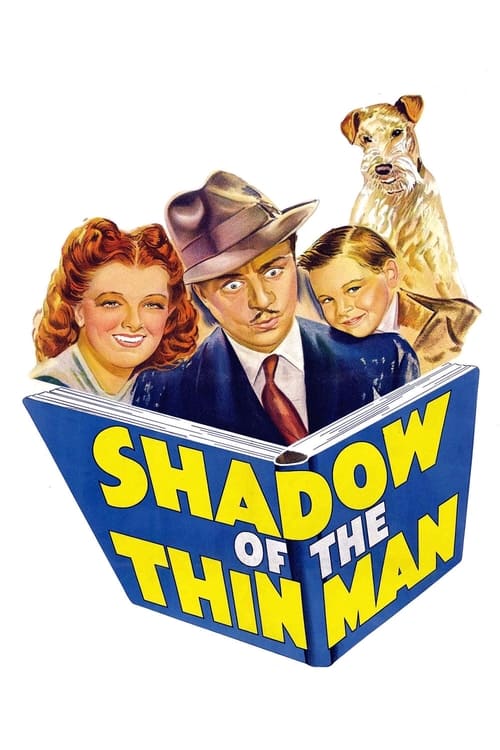
Shadow of the Thin Man
1941
No user ratings available yet
Representation score: 1.4 out of 10
Representation Score
Minimal
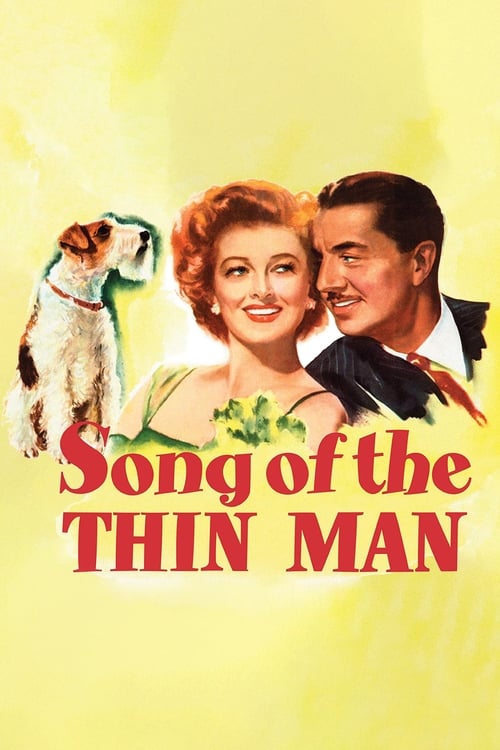
1947
ApprovedDirector
Edward Buzzell
Runtime
86 minutes
Average Rating
No ratings yetNew Showbiz Analysis
Song of the Thin Man excels in depicting an egalitarian partnership between its leads, where Nora Charles avoids the submissive roles typical of the era. However, this progressive portrayal is set against a backdrop of extreme homogeneity, reflecting the casting constraints of the 1947 studio system. The film focuses on a white, upper-class social circle, lacking meaningful racial or cultural diversity. Ultimately, it presents an escapist view of high-society leisure, challenging domestic hierarchies while remaining firmly rooted in a traditionalist, Anglo-Saxon social framework.
Category Breakdown
The film strictly follows the social norms of the 1940s, with no representation of LGBTQ+ identities or same-sex relationships.
Nora Charles is shown as an intellectual and functional equal to Nick, challenging the typical male-dominated leadership in mid-century crime films.
The cast is predominantly white and upper-class, with no meaningful presence of characters from diverse racial backgrounds.
The story celebrates the lifestyle of Western high society and capitalist leisure, reinforcing the stability of an affluent lifestyle without critiquing traditional institutions.
The film does not feature any characters with visible or invisible disabilities, nor does it depict neurodivergence or physical impairments.
Present on Screen
Limited or Absent
Official Synopsis
Nick and Nora Charles are back in action—and this time, the music is murder! While attending a glamorous jazz cruise on New York’s East River, the sophisticated couple witnesses the fatal shooting of a wealthy patron. When suspicion falls on a young bandleader and his musicians, Nick and Nora step in to clear their friends and uncover the real killer. Their investigation leads through a lively world of jazz clubs, radio personalities, high society, and backstage rivalries, where almost everyone has a secret and the next clue may be hidden in the music. William Powell and Myrna Loy return as Hollywood’s favorite married sleuths, combining sparkling banter, romance, and comic sophistication with a spirited mystery. Directed by Edward Buzzell, Song of the Thin Man features lively musical performances, colorful characters, and the familiar comic appeal of Asta. This stylish 1947 finale delivers one last tuneful adventure for Nick and Nora Charles.
1941
1939
1939
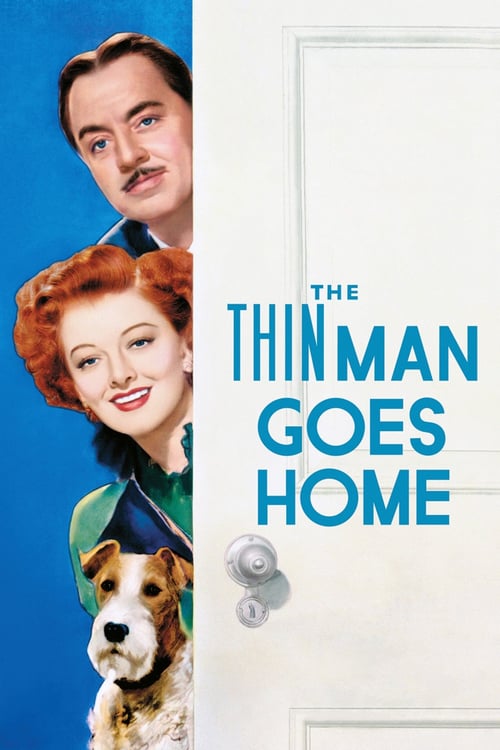
1944
1939
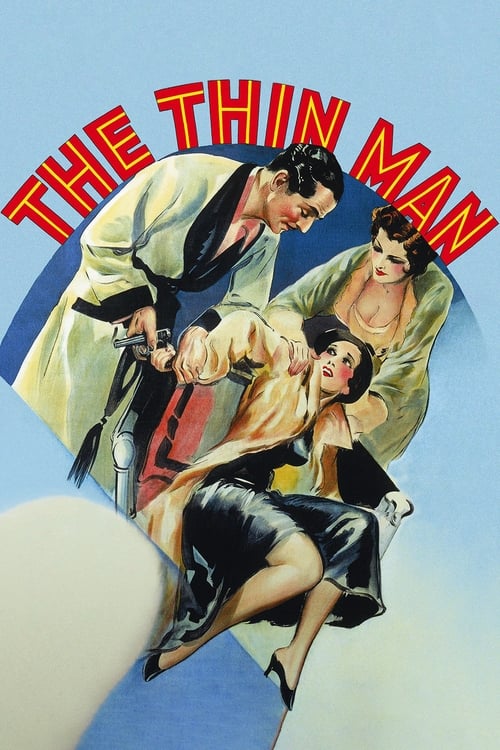
1934
1935
1978
No reviews yet. Be the first to share your thoughts on this movie!
Use the rating form above to leave a star rating and optional review.