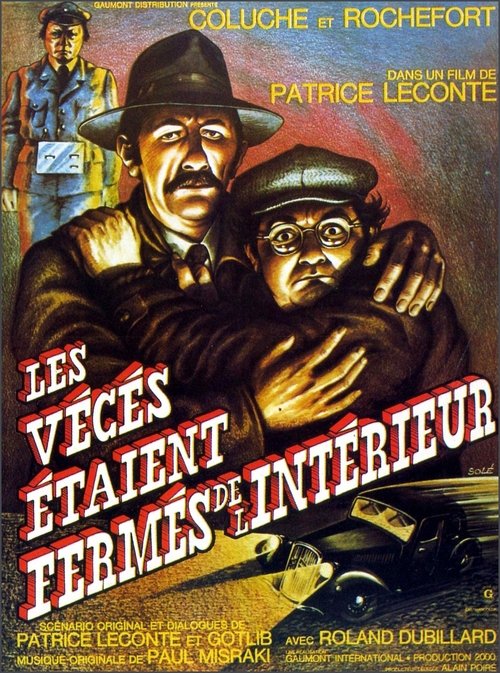
The Toilets Were Closed from the Inside
1976
No user ratings available yet
Representation score: 5.3 out of 10
Representation Score
Limited
1957
Director
Raoul André
Runtime
90 minutes
Average Rating
No ratings yetNew Showbiz Analysis
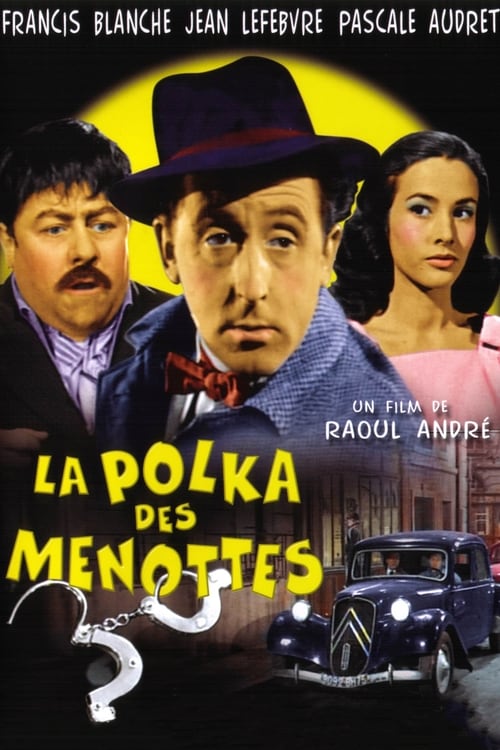
La Polka des Menottes is a mid-century genre piece that emphasizes conventional social stability. The plot hinges on a comedy of errors that upholds established social hierarchies rather than challenging them. Character roles adhere to traditional archetypes, with men taking on protective and problem-solving roles, and women following their guidance. The film serves as traditional entertainment, aiming to restore the status quo after creating chaos.
Category Breakdown
The film does not include any LGBTQ+ characters or narratives focused on non-assuming gender matches what was assigned at birth identities. The main romantic storyline revolves around a traditional relationship between Elisabeth and Pierrot.
Elisabeth, while a key figure, has limited influence as she is convinced to participate in criminal activities. Male characters predominantly take on protective and problem-solving roles.
The film mirrors the homogeneity of post-war French society. There is no indication of a diverse cast that would challenge typical demographic norms.
The story employs a Western farce structure emphasizing traditional family and romantic dynamics. The resolution centers on restoring social order through communal dancing.
The narrative does not feature any characters with visible or invisible disabilities or neurodivergence.
Present on Screen
Limited or Absent
Official Synopsis
Elisabeth is persuaded to have killed her noisy upstairs neighbor, scientist Charles Magne. To save her, Mr. Matheu, Elisabeth's father, accuses himself while Pierrot, Elisabeth's fiancé gets rid of the body in order to save father and daughter. For his part, a gangster also believes he has killed the scientist but he gets shot down by a taxidermist, who runs for life. The girl, her daddy and her boyfriend also run away. But Magne is not dead. A bum is mistaken for him and a police inspector makes everyone believe that he is the one who shot the gangster. At the end of this crazy chain of events all the protagonists are reunited at the station house and everybody dances to express their relief.
1976

1979
1939
1973
1981
1964
1971
1992
No reviews yet. Be the first to share your thoughts on this movie!
Use the rating form above to leave a star rating and optional review.