
Los de la mesa 10
1960
No user ratings available yet
Representation score: 2.2 out of 10
Representation Score
Limited
1968
Director
Giannis Dalianidis
Runtime
87 minutes
Average Rating
No ratings yetNew Showbiz Analysis
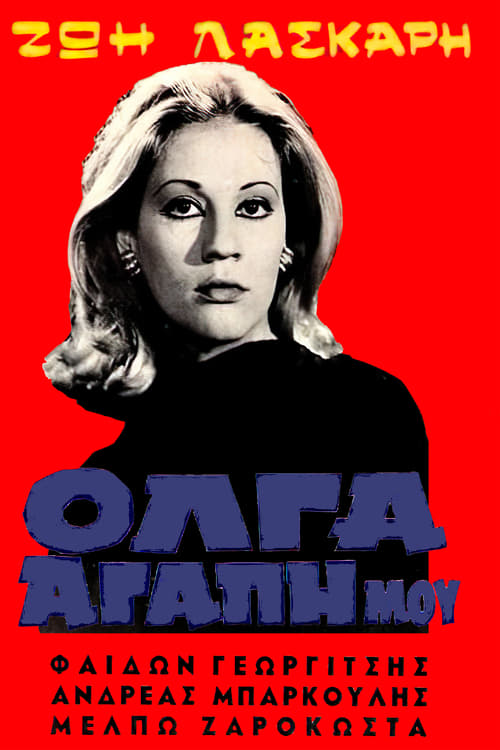
Olga My Love primarily serves as a social critique of class stratification in mid-century Greece. The narrative tension arises from the structural barriers between a wealthy female protagonist and a low-status, high-intelligence male protagonist. While the film challenges class-based hierarchies and traditional family structures, it adheres to the demographic conventions of 1960s Mediterranean cinema. Its strength lies in examining how institutionalized wealth acts as a gatekeeper to personal autonomy, though it lacks representation of diverse identities.
Category Breakdown
The film follows a traditional romantic structure that assumes everyone is straight or cisgender. There is no evidence of characters exploring non-traditional gender identities or questioning the assumption that everyone is straight.
Olga plays a significant role in driving the story through her emotional and social decisions. However, the plot relies on melodramatic clichés where the female experience is defined by domestic obstacles.
The production reflects the demographic homogeneity of 1968 Greece. The narrative focuses on internal class distinctions rather than diversity based on race or ethnicity.
The film critiques rigid Western class structures by framing economic instability as a systemic failure. It deconstructs the traditional family unit by portraying the mother as an obstacle.
There is no evidence of characters navigating physical, sensory, or neurodivergent experiences.
Present on Screen
Limited or Absent
Official Synopsis
Olga, a young girl from a wealthy family, knows and falls in love with Peter, a poor civil engineer who has just taken his degree and with honors. The future of the young do not seem bright because the job needs capital and appropriate dating to climb the stairs of success. The social gulf that separates them is huge and the reactions of her mother Olga creates another major obstacle in their relationship. Despite the difficulties, however, the two young decide to join their lives and try to build a common course with the only help their love and dreams to create a happy family. The inability But Peter stabilize at a job because of irritable character and economic problem facing will bring very fast the first dark clouds in their relationship and will go through great tribulations love.
1960

1961
1971

1961
1963

1970
1972
1958
No reviews yet. Be the first to share your thoughts on this movie!
Use the rating form above to leave a star rating and optional review.