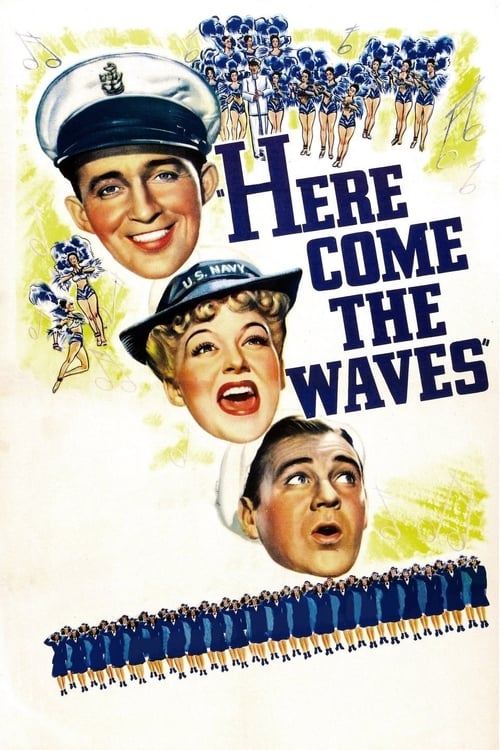
Here Come the Waves
1944
No user ratings available yet
Diversity score: 1.8 out of 10
1944
Director
Georg Jacoby
Runtime
93 minutes
Average Rating
No ratings yetSynopsis
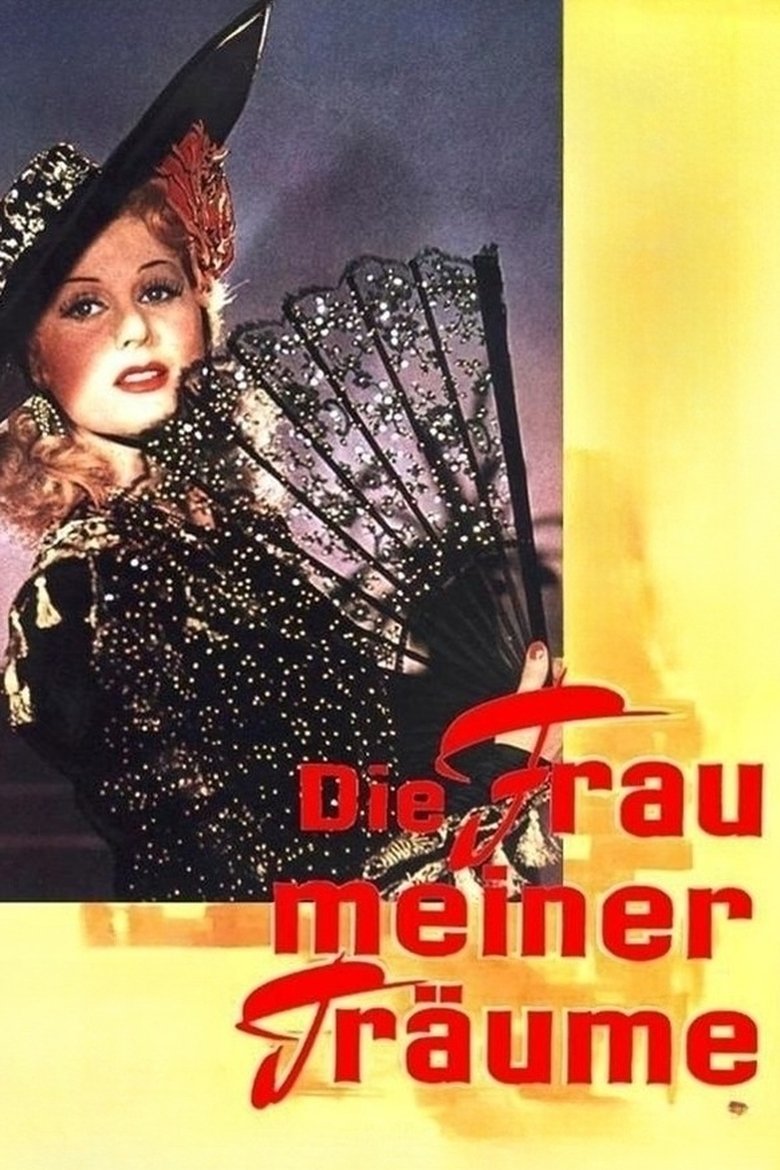
Blonde goddess Marika Rökk plays Julia Koster, a ravishing red-headed musical revue star and her opening number, "At Night It Isn't Right To Be Alone", playing to a packed theater, is both an eye-popper and a jaw-dropper.
Overall Score
Minimal
Category Breakdown
LGBTQ+ Representation
The film lacks evidence of non-cisnormative identities or queer narratives. It adheres to the heteronormative romantic structures typical of 1944 musical comedies.
Gender Representation
While the film features a prominent female musical star, her agency is tied to aesthetic performance. The narrative likely reinforces conventional romantic archetypes and traditional hierarchies.
Racial & Ethnic Diversity
The production reflects the homogeneous demographic standards of 1944 Germany. There is no indication of diverse casting or non-white majority ensembles.
Religious & Cultural Diversity
As an escapist musical comedy, the film prioritizes social cohesion and traditional ideals. It avoids critiques of Western institutions or the deconstruction of social norms.
Disability Representation
There is no evidence of characters with physical or neurodivergent disabilities. The focus remains on idealized physical performance within a high-glamour revue setting.
Strengths
Areas for Improvement
AI Analysis
The film is a product of its era, functioning as a high-production musical comedy designed for escapism. It operates within the rigid social and cinematic hierarchies of 1944 Germany, prioritizing traditional romantic structures and aesthetic spectacle over diverse or subversive storytelling. While the female lead is highly visible as a performer, her role serves a star vehicle trope that emphasizes desirability. The lack of intersectional representation or non-traditional identities reflects the era's homogeneous demographic and cultural standards. Ultimately, the work reinforces the stability of contemporary social norms rather than challenging them, resulting in a narrow scope of representation.
1944
1955
1950

1946

1960

1944
1954
1951

1944
1937
1953

1946
No reviews yet. Be the first to share your thoughts on this movie!
Use the rating form above to leave a star rating and optional review.