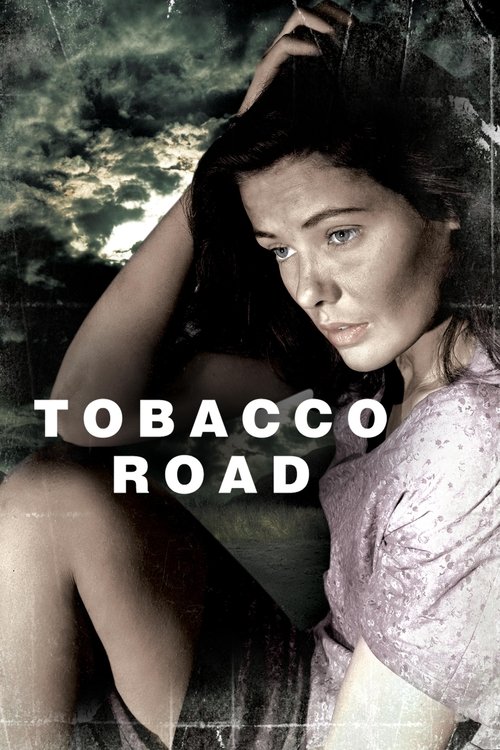
Tobacco Road
1941
No user ratings available yet
Representation score: 3.0 out of 10
Representation Score
Minimal
1940
NRDirector
Edwin L. Marin
Runtime
82 minutes
Average Rating
No ratings yetNew Showbiz Analysis
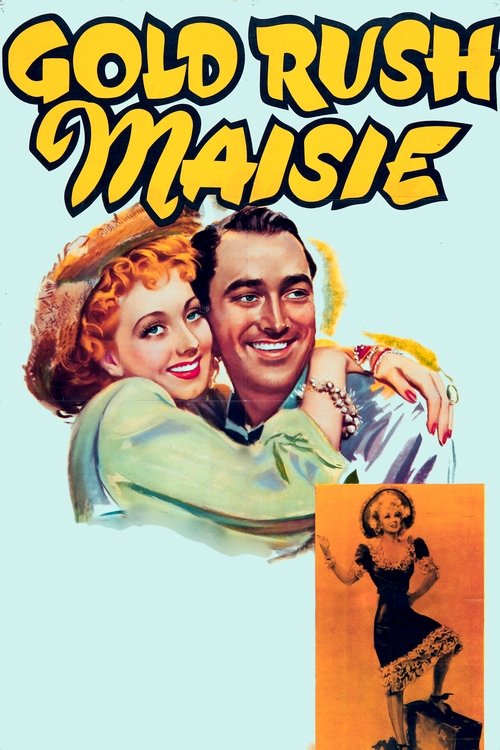
Gold Rush Maisie is a classic product of the 1940s Hollywood system, emphasizing traditional social structures and genre conventions. While it avoids excluding certain groups, it lacks the complexity of multiple intersecting identities. The film stands out for its portrayal of a woman who actively shapes her own life in a male-dominated world. This contrasts with the more passive female roles common in films of the era. However, the film falls short in representing racial diversity, LGBTQ+ identities, and characters with disabilities, maintaining a narrow perspective on the American frontier.
Category Breakdown
The film follows the heterosexual norms of the 1940s. There are no representations of LGBTQ+ identities or same-sex relationships.
Maisie is portrayed as a strong, independent character who navigates a male-dominated frontier. Her proactive role sets her apart from more passive female roles.
The cast is primarily made up of actors from similar backgrounds, typical of the time. There is a lack of diverse ethnic representation and characters of color with significant influence.
The story centers on personal survival within a frontier setting. It stays within established institutions without critiquing the broader system.
The narrative does not include characters with visible or hidden disabilities. Disability is not a central theme or character trait.
Present on Screen
Limited or Absent
Official Synopsis
Maisie becomes attached to a dirt-poor farmer and his family as they try to make ends meet joining hundreds of others digging for gold in a previously panned-out ghost town.
1941
1938
1941
1925
1939

1933
1918
1936
No reviews yet. Be the first to share your thoughts on this movie!
Use the rating form above to leave a star rating and optional review.