Andy Hardy Gets Spring Fever
1939
No user ratings available yet
Representation score: 0.3 out of 10
Representation Score
Minimal
1938
ApprovedDirector
Edwin L. Marin
Runtime
75 minutes
Average Rating
No ratings yetNew Showbiz Analysis
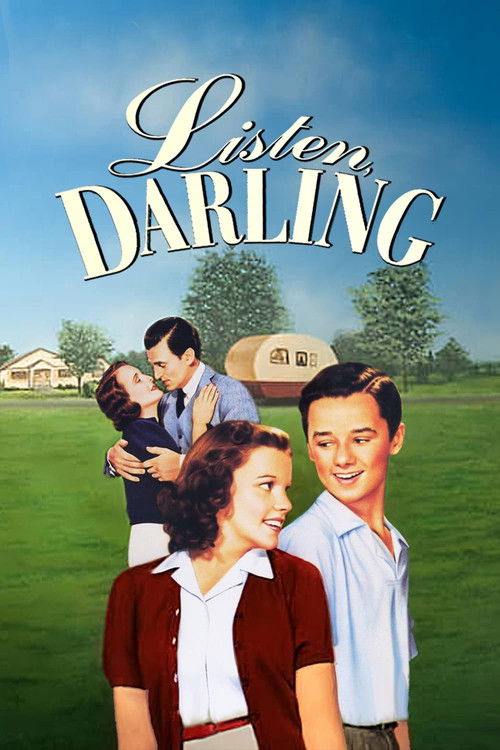
Listen, Darling is a conventional 1938 production that upholds the traditional nuclear family and social hierarchies. It follows standard comedic-drama formulas of the era, emphasizing economic survival through established gender roles. The film does not actively disrupt social or cultural norms. Instead, it reinforces the social norms of its time by framing female empowerment through the lens of finding a financially secure husband to address family issues. Overall, the story serves as a period piece reflecting the social constraints of its era, presenting a homogeneous view of domestic life without significant multi-layered depth.
Category Breakdown
The film focuses on traditional heterosexual relationships and does not include any non-cisgender identities or critiques of conventional courtship.
Dottie, the main character, drives the story primarily through her role within a traditional marriage. Her actions are centered around securing financial stability and maintaining a stable home.
The film portrays a homogeneous domestic setting with no indication of a diverse cast or subversion of typical Anglo-Saxon casting norms.
It emphasizes traditional Western values through a classic domestic cliché, aiming to restore a stable family structure without critiquing broader societal norms.
There are no characters with visible or invisible disabilities mentioned in the film.
Present on Screen
Limited or Absent
Official Synopsis
To stop Pinkie's widowed, struggling mother Dottie from marrying a well-off older man they know she doesn't love, teenager Pinkie and her best friend Buzz kidnap her in the family travel trailer to live a carefree life on the open road. They then get the idea to find Dottie a financially secure husband whom both she and Pinkie would like.
1939
1938
1941
1958
1940

1942
1942
1927
No reviews yet. Be the first to share your thoughts on this movie!
Use the rating form above to leave a star rating and optional review.